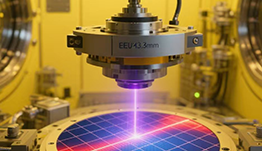
Automotive dashboard assembly is a complex and dynamic process, as modern car manufacturers must adapt to diverse customer demands, frequent model upgrades, and strict quality standards. The ability to switch between different dashboard models quickly, maintain consistent assembly precision, and automate workflows has become a key competitive advantage. Highprecision CNC linear servo integrated with PROFINET technology has emerged as a core enabler of flexible production in this field. By combining multi-axis synchronous control, real-time data monitoring, seamless robotic integration, and ultra-fast communication response, it addresses the pain points of traditional assembly lines, reducing changeover time, cutting defects, and boosting overall production agility. Let’s explore how this advanced solution transforms automotive dashboard assembly.
Multi-Axis Control Supports Mixed-Model Production
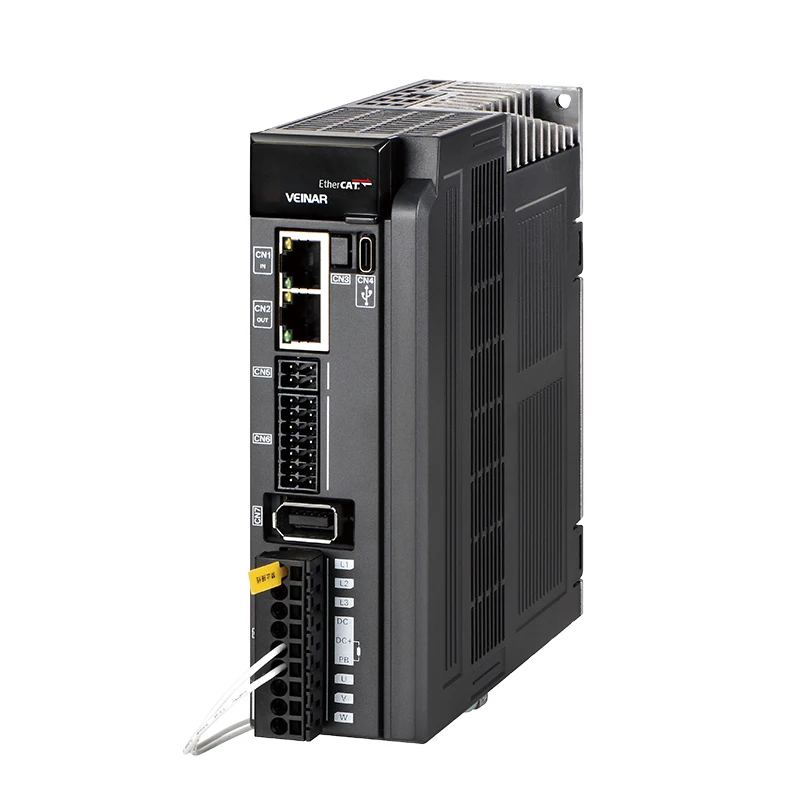
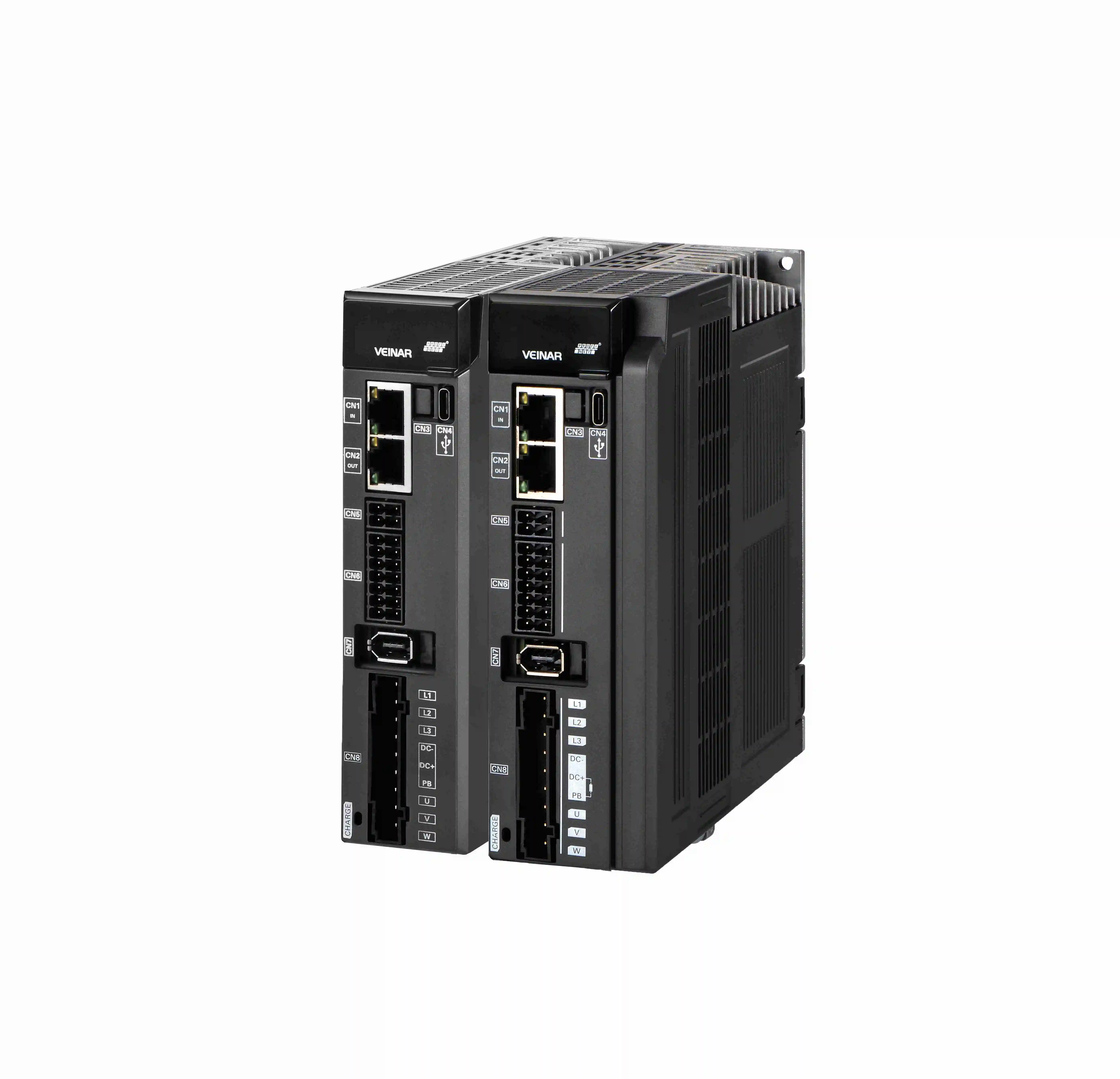
The biggest challenge in dashboard assembly is accommodating multiple models on a single line—each with unique component layouts, fastening points, and assembly sequences. Highprecision CNC linear servo solves this with powerful multi-axis control capabilities, allowing manufacturers to achieve mixed-model production without compromising efficiency. Equipped with PROFINET communication protocol, the servo drives coordinate seamlessly across multiple axes (including X, Y, and Z axes), ensuring each assembly step aligns perfectly with the specific requirements of different dashboard models.
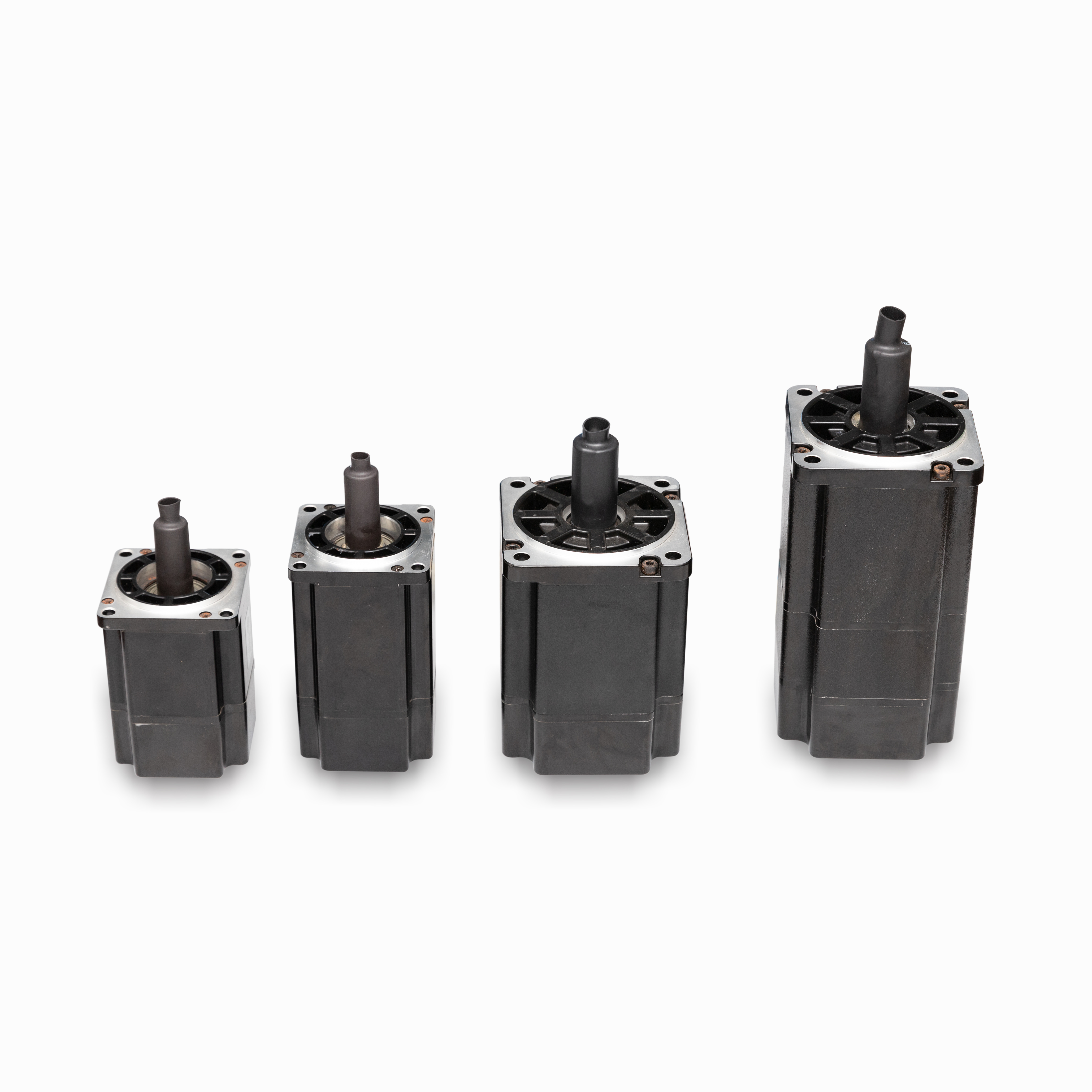
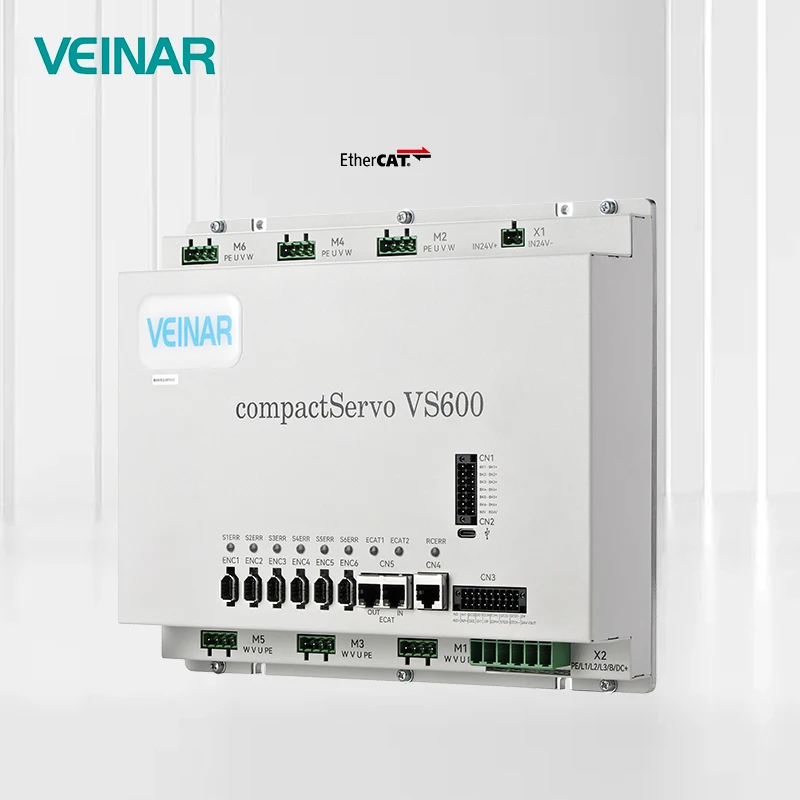
Unlike rigid traditional systems that require time-consuming mechanical adjustments for model changes, the servo’s flexible programming and rapid parameter switching reduce changeover time to just 5 minutes. This is made possible by the servo’s compatibility with multiple communication protocols (PROFINET, EtherCAT, Modbus) and support for mainstream master stations, enabling it to integrate with existing production control systems and adapt to new models with minimal reconfiguration. For example, the X-axis linear module (HM-MZ-X1) offers an effective stroke of 430mm and maximum speed of 1200mm/s, while the dual-Y axis module (HM-MZ-Y1) handles payloads up to 3.5kg—these specifications provide the versatility needed to handle different dashboard sizes and component weights. This multi-axis flexibility eliminates the need for dedicated lines for each model, reducing production costs and maximizing line utilization.
Real-Time Torque Monitoring Ensures Assembly Consistency
Dashboard assembly relies heavily on precise fastening of clips, screws, and connectors—even minor inconsistencies in torque can lead to loose components, rattling noises, or structural failures. Highprecision CNC linear servo integrates real-time torque monitoring, a feature that tracks and adjusts the force applied during each fastening step to ensure consistency across all units. This level of control is critical for meeting automotive industry quality standards, as it eliminates human error and mechanical drift that often cause defects.
By leveraging PROFINET’s high-speed data transmission, the servo sends torque data to the central control system in real time, alerting operators to any deviations from the set parameters. This proactive monitoring cuts defect rates by 60%, as issues are identified and resolved immediately rather than after assembly is complete. The servo’s highprecision CNC control—backed by rigorous quality processes including incoming inspection (IQC), production testing, and outgoing verification—ensures that every clip and screw is fastened with the exact torque required. For manufacturers, this translates to fewer reworks, lower warranty costs, and enhanced brand reputation for reliable vehicles.
Seamless Robotic Integration Automates Workflows
Automation is key to scaling flexible production, and highprecision CNC linear servo integrates seamlessly with robotic systems to streamline pick-place-assemble workflows. The servo’s PROFINET compatibility allows it to communicate directly with industrial robots, coordinating movements such as picking dashboard shells, placing electronic components, and fastening hardware. This integration eliminates manual intervention in repetitive, labor-intensive tasks, improving efficiency and reducing the risk of human-induced errors.
The servo’s robust performance supports the demands of automated assembly: its high acceleration (up to 30000mm/s² for the X-axis module) and precise positioning ensure robots move quickly and accurately, even when handling delicate dashboard components. The compact footprint of the servo drives also saves space in the assembly cell, allowing for tighter integration of robots and other equipment—critical in high-density production environments. Whether automating the installation of infotainment systems, air vents, or instrument clusters, the servo-robot combination delivers consistent, repeatable results, enabling manufacturers to scale production up or down without sacrificing quality.
PROFINET IRT Delivers Ultra-Fast Response
Flexible production requires ultra-fast communication between components to adapt to real-time changes in assembly tasks. Highprecision CNC linear servo leverages PROFINET IRT (Isochronous Real-Time) technology, which limits the response time of the entire assembly unit to just 10 ms. This rapid communication ensures that commands from the control system, robots, and sensors are executed instantaneously, preventing delays that could disrupt mixed-model production.
IRT technology also ensures synchronous operation across all axes and equipment, even at high production speeds. For example, when switching from one dashboard model to another, the servo drives, robots, and torque monitoring systems all adjust simultaneously, maintaining assembly precision without downtime. The servo’s hard real-time performance—enhanced by its 625kHz sampling frequency and 3300Hz current loop bandwidth—further supports this rapid response, ensuring motion parameters are adjusted in microseconds to meet dynamic assembly demands. This level of responsiveness is essential for modern automotive manufacturing, where agility and speed are as important as precision.

 EN
EN
 Hot News