
 EN
EN
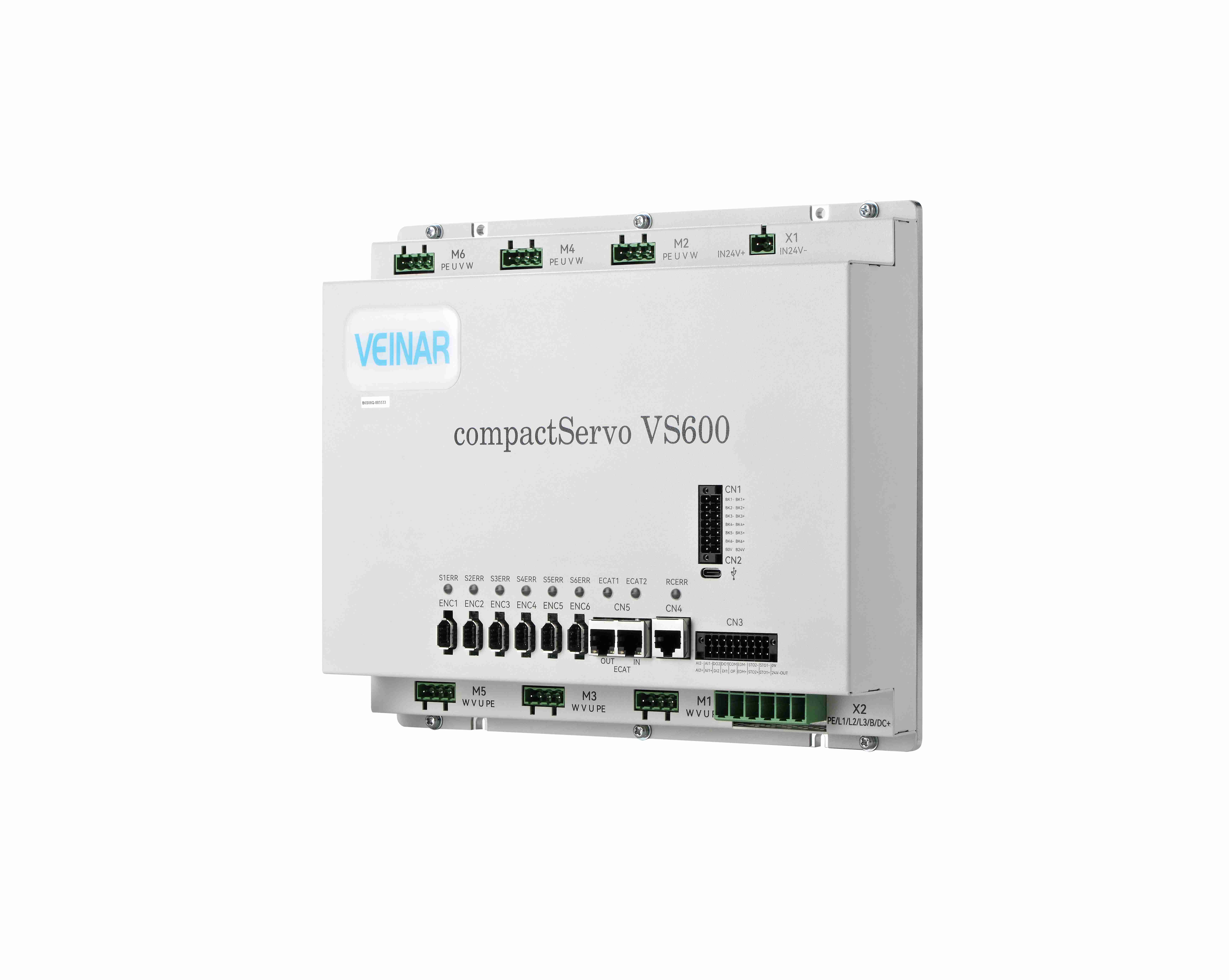
Sub-Microsecond Synchronization for High-Precision Multi-Axis Coordination
EtherCAT Distributed Clocks Enable <500 ns Jitter Across All Axes
The Distributed Clock (DC) technology in EtherCAT really solves those pesky timing issues when multiple axes are networked together. It gets down to about 500 nanoseconds of jitter, which beats old school sync methods hands down since they just accumulate delays over time and mess up coordinated movement. Traditional high precision servos work on their own clocks for each axis, but EtherCAT DC brings everyone into sync with a shared hardware time reference. Every node gets stamped with exact timestamps so everything lines up properly. What makes this cool is how it handles propagation delays automatically as they happen, keeping things aligned at the nanosecond level without anyone needing to tweak settings manually. Take semiconductor wafer handling for instance, even a tiny deviation past 600 nanoseconds leads to problems measuring in microns. And here's what makes it stand out: the system keeps itself calibrated through all sorts of environmental changes like different cable lengths or temperature swings, no need for operators to get involved at all.
Deterministic Cycle Times (<100 µs) vs. Traditional Fieldbuses
EtherCAT offers incredibly fast response times below 100 microseconds, making it about 20 times quicker than CANopen which typically needs at least 2 milliseconds. Compared to most other fieldbus systems, EtherCAT's timing is much more consistent and reliable. When switching from traditional single-axis setups, this matters a lot. Instead of sending commands one after another across different axes and building up small positioning mistakes over time, EtherCAT handles all axis commands at once in just one cycle. The result? Control loops can run above 10 kilohertz practically, something that helps suppress vibrations while machines operate at high speeds. One major robot manufacturer saw their path tracking errors drop by nearly 90% after they moved away from separate single-axis servos toward a multi-axis system based on EtherCAT technology. Systems that need low latency, like those complex parallel kinematic platforms used in advanced manufacturing, are now achieving angular precision down to microradians something that was almost impossible before with older control methods spread across multiple components.
Architectural Simplification: Replacing Multiple Single-Axis High-Precision Servo Types with One Unified Drive
70% Wiring Reduction and Elimination of Master-Slave Gateways
When companies combine several single axis high precision servos into one multi axis drive system, they cut down on wiring complexity by around 70% and completely eliminate those pesky master slave gateways. The old way of doing things meant duplicating power lines, feedback connections, and control wiring for each individual axis, which created all sorts of problems like messy cable clusters and too many termination points. Multi axis drives work differently though. They share a common DC power supply and just need one main EtherCAT connection line running through the cabinet, making everything much neater and easier to install. Getting rid of those gateway boxes also helps because it takes away those annoying communication delays that happen when signals have to pass through multiple stages. According to recent research in industrial automation from last year, factories adopting this approach typically see about a 40% improvement in how fast installations get done, plus materials expenses drop by roughly 25%. Makes sense why more manufacturers are making the switch these days.
Native CIA 402 Compliance Across Axes—CSP, CSV, CST Modes Fully Supported Without Configuration Overhead
The multi-axis drive systems work seamlessly together right away because they follow the CIA 402 standard for CAN automation. These systems handle position control (CSP), speed control (CSV), and torque control (CST) across every axis without needing separate setup for each device. Traditional setups with single-axis drives are a headache since each one needs its own adjustments and parameter settings. With these new drives, everything works together from day one thanks to their unified design. For engineering teams, this means less time spent configuring individual components and more focus on getting projects completed efficiently.
- Instant axis synchronization in CSP mode for coordinated motion tasks
- Seamless velocity transitions in CSV for conveyor or web-handling systems
- Direct torque control in CST for tension-critical applications like winding or printing
Validation testing shows 90% faster commissioning versus traditional servo networks (Motion Control Journal, 2024), as parameter sets propagate automatically across axes via standardized object dictionary mapping.
Higher Power Density and Thermal Efficiency: Engineering Advantages Over Discrete Single-Axis High Precision Servo Types
When it comes to performance, multi-axis EtherCAT servo drives have clearly surpassed their single-axis counterparts thanks to some pretty impressive semiconductor breakthroughs. The magic happens with Silicon Carbide (SiC) MOSFET technology which packs about 40% more power into the same space as traditional silicon-based drives. What does this mean for real world use? Machines can produce more torque while taking up less room in control cabinets. Plus, SiC components generate way less heat because of their wider bandgap properties, cutting conduction losses by around 35%. Less heat means parts last longer and manufacturers don't need those massive cooling systems hanging off machines anymore something that makes a huge difference in industries where equipment runs non-stop like CNC machining shops. All these improvements result in better precision when machines are working hard, compact designs that save factory floor space, and ultimately, reduced costs over time for plant managers watching every penny.
Table of Contents
- Sub-Microsecond Synchronization for High-Precision Multi-Axis Coordination
- Architectural Simplification: Replacing Multiple Single-Axis High-Precision Servo Types with One Unified Drive
- Higher Power Density and Thermal Efficiency: Engineering Advantages Over Discrete Single-Axis High Precision Servo Types