
 EN
EN
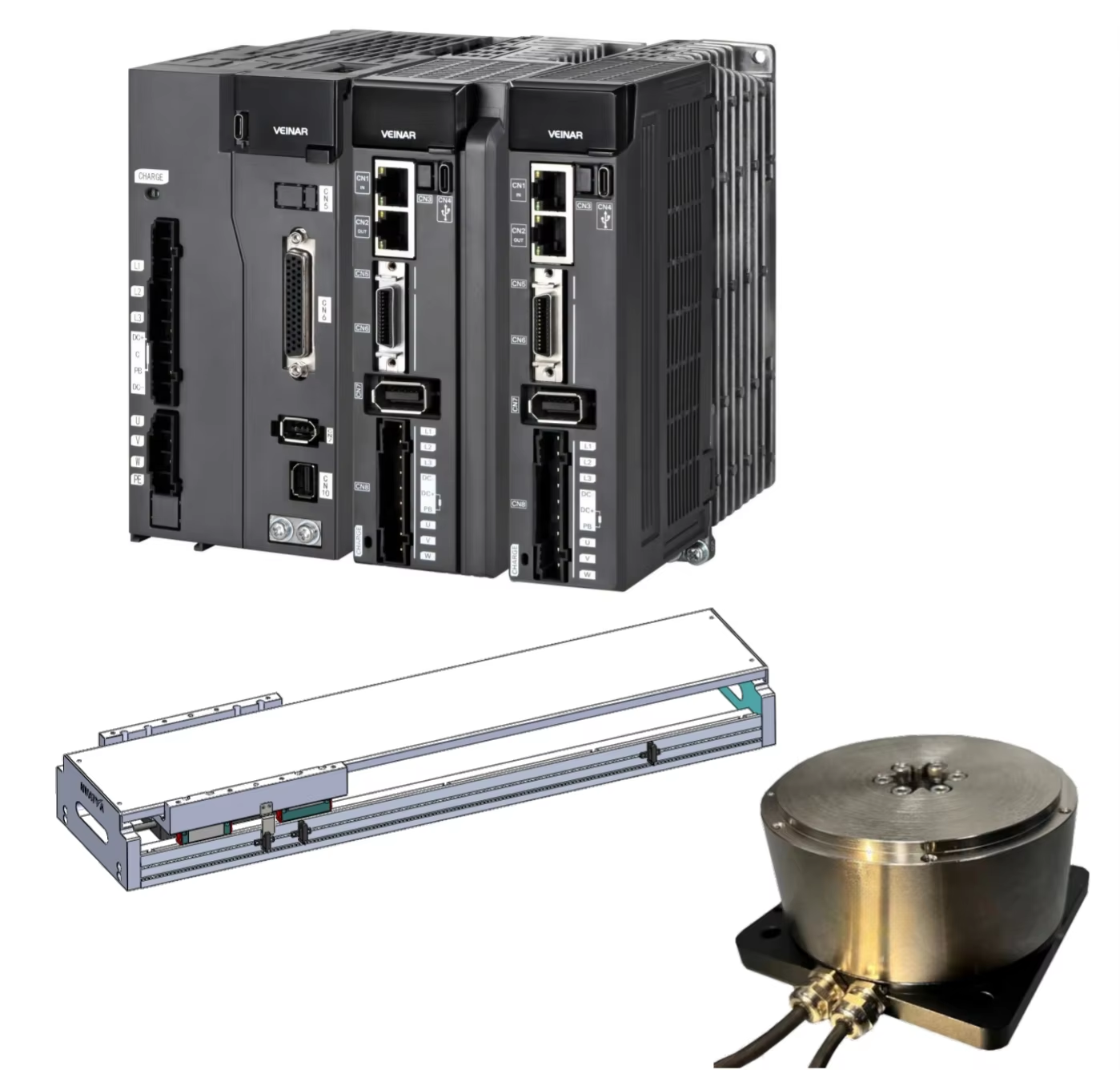
Why Multi-Axis Servo Drive Architecture Delivers Immediate Infrastructure Savings
Eliminating redundant components: No external switches, hubs, or daisy-chain repeaters
Multi axis servo drives bring all those control functions together in one package instead of needing all that extra networking stuff that comes standard with old school single axis setups. When everything gets integrated, there's no need for all those switches, hubs or those annoying daisy chain repeaters anymore. Those components just complicate things, create more places where something can go wrong, and end up costing companies a lot more money over time. Putting multiple axes inside a single smart drive means manufacturers save somewhere around 15 to 20 percent on parts alone while making their systems much less prone to connection issues. Some automation efficiency reports actually found these consolidated systems cut down electrical connections by about three quarters when compared to traditional approaches. That translates directly into faster installations and no more worrying about maintaining all that extra networking equipment. Plus, the simpler design makes validation during setup take roughly 40 percent less time than before.
Cabinet space and wiring reduction: Dual- and quad-axis drives cut cabinet footprint by up to 60%
When it comes to drive systems, consolidated configurations cut down on the need for physical infrastructure quite a bit. The dual and quad axis models basically pack several motor controllers into one unit, which can free up around 60% more cabinet space compared to having separate drives installed individually. With shared DC bus setups and built-in communication ports, there's just way less wiring needed across the board. We're talking about cutting down on cables by somewhere between 70 to 85 percent, which means fewer conduits running through walls, less termination work at connection points, and obviously saves time and money on installation labor. From what field technicians report, installation times typically get shortened by about 30%. And there are other cost benefits too. Smaller control cabinets mean cheaper enclosure materials, plus less heat being generated cuts back on the cooling requirements for the facility. For manufacturers dealing with tight spaces, these compact drive solutions let them achieve impressive results with a 3 to 1 ratio of axes per square foot of space. This makes expanding production lines much easier without needing major changes to existing facilities.
EtherCAT's Deterministic Performance as a Direct Cost-Saving Lever
Sub-microsecond jitter and distributed clocks enabling precise multi-axis servo drive synchronization – reducing motion errors and costly hardware retries
The distributed clock system in EtherCAT gets synchronization down to less than one microsecond, which basically wipes out timing issues that throw off alignment in multi-axis motion systems. With this kind of accuracy, servo positioning errors drop around 90% when compared to older fieldbus technologies, meaning fewer retries from hardware problems and significantly less wasted material. Real world results are impressive too. Packaging companies have seen about 40 percent fewer motion related shutdowns since they switched to EtherCAT powered servo drives. That translates into roughly seven hundred forty thousand dollars saved each year on a single production line according to research from the Ponemon Institute's 2023 report on industrial automation downtime costs.
Single-cable, single-frame communication scaling to 10,000+ nodes – slashing per-axis communication overhead by ~70%
The processing on the fly feature of EtherCAT makes it possible to chain together as many as 65 thousand plus devices using just one cable each time they connect them end to end. This replaces those complicated star shaped network setups with something much simpler and requiring far less equipment overall. Companies report saving anywhere from 60 to 80 percent on cables compared to traditional point to point connections while also cutting down how long messages take to travel through the system. Communication delays drop to around 30 microseconds for every thousand input output points, and engineers spend about half as much time setting up these networks now. Big name manufacturers have seen results too, with some claiming their communication load dropped by roughly seventy percent when scaling systems beyond ten thousand nodes without needing extra hardware like switches or repeaters. These improvements translate into real money saved, with one factory reporting nearly two million dollars worth of savings after five years working with high axis robotic systems.
Total Cost of Ownership: Multi-Axis Servo Drive vs. Single-Axis Fieldbus Deployments
Wiring & labor savings: 60–80% less cable, conduit, and termination vs. CANopen/PROFIBUS
When it comes to multi-axis servo drives, these systems bring together control for around 2 to 4 axes all within one compact unit. This setup cuts down on the need for so much physical infrastructure. We're talking about deployments that need anywhere from 60% to 80% less cabling compared to older CANopen or PROFIBUS systems. What does that mean? No more dragging around miles of conduit, dealing with hundreds of termination points, or wrestling with those complicated wiring harnesses that used to take forever to put together. Take a typical 50-axis production line for example. The savings here are pretty substantial, with roughly $18,000 saved just on copper cabling costs alone. And let's not forget about labor time either. Installers now only have to handle one power cable and one EtherCAT cable per drive instead of running separate wires for each motor like they did back in the day with legacy systems. Cabinet assembly gets finished much faster too, cutting build times by somewhere between 40% and 65%. That means getting everything up and running happens quicker than ever before.
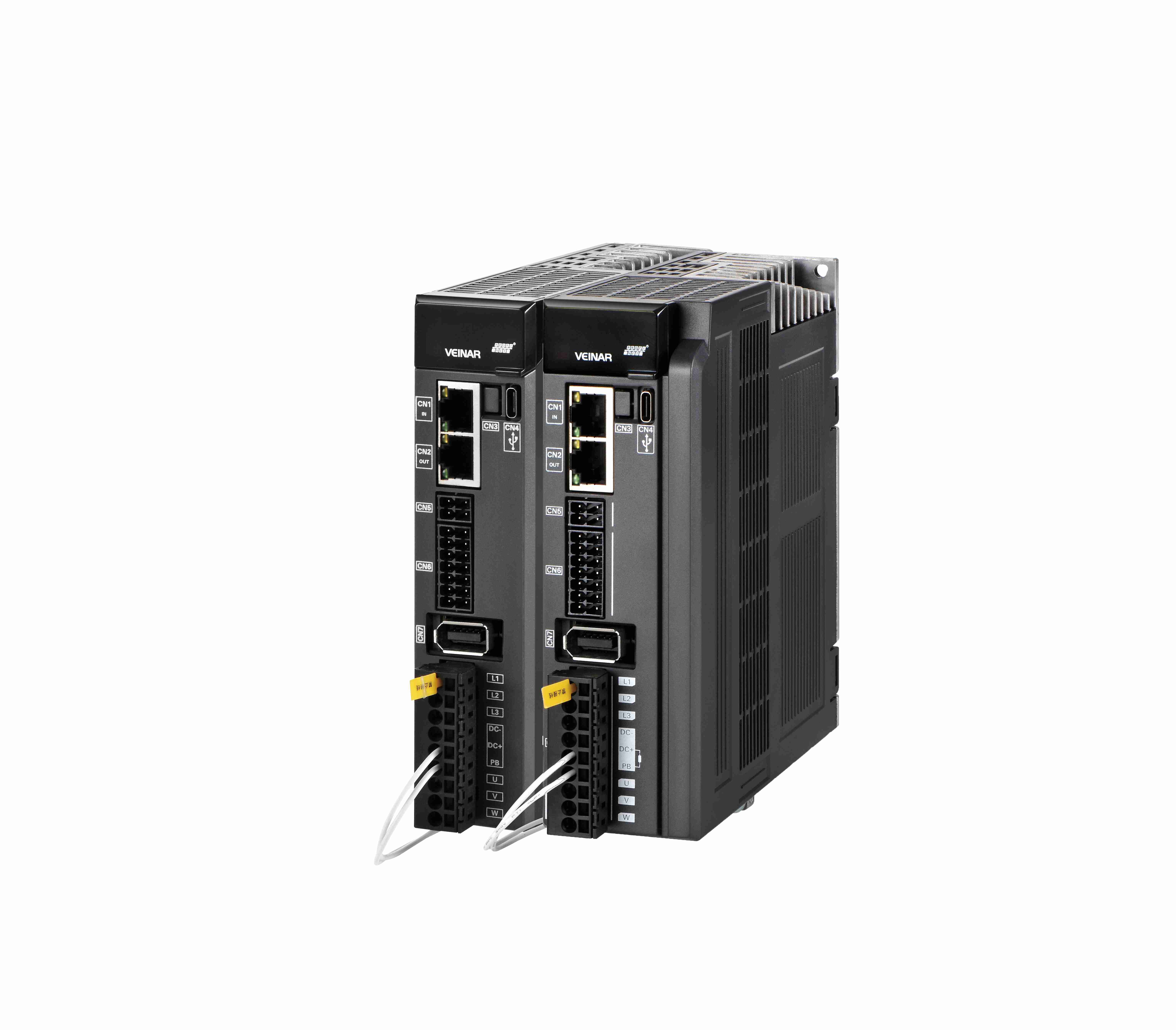
Hidden TCO drivers: Engineering time, validation cycles, spare parts inventory, and long-term maintenance
Beyond hardware savings, multi-axis servo drives compress hidden costs across the operational lifecycle:
- Engineering overhead drops 30–50% with standardized topologies and reduced custom programming
- Validation cycles shorten by eliminating signal integrity risks from daisy-chained connections
- Spare parts inventory shrinks 60%–one drive replaces 2–4 single-axis units
- Predictive maintenance simplifies via centralized health monitoring through EtherCAT diagnostics
Facilities report 35% lower annual maintenance costs due to fewer failure points. Unplanned downtime from connector corrosion or cable damage falls sharply–critical for high-uptime industries like packaging, where downtime carries an estimated cost of $740k/hour (Ponemon Institute, Industrial Automation Downtime Cost Benchmark Report, 2023).
Overcoming Adoption Barriers: Why OEMs Hesitate – and How to Bridge the Gap
Even though studies show total cost savings between 35 and 42 percent when implementing multi axis servo drives, many OEMs still struggle with getting these systems adopted across their operations. There are basically four main roadblocks standing in the way. First comes the headache of integrating new tech with old equipment that uses different communication standards. Then there's always the money question nobody wants to talk about upfront investments that seem steep without immediate returns on investment visible within months. Maintenance crews frequently lack proper training in EtherCAT technology, which creates another barrier. And let's not forget about everyone's worst nightmare production stoppages while trying to retrofit existing machines with this newer technology. All these factors combined create serious hesitation despite the long term financial benefits waiting at the end of the tunnel.
The best approach? Start small by implementing changes on less critical production lines first. This lets companies test how well things work before going all in, which helps reduce potential risks. Working with certified partners makes sense too. These folks know their stuff when it comes to integrating new systems and training staff properly. Their experience with motion control can really speed things up. When looking at costs over time, there's something worth noting about multi-axis servo drives versus single-axis options. Studies show around 60 to 80 percent savings in wiring and labor costs alone. That adds up pretty quickly. Most pilot projects we've seen tend to pay for themselves within about a year and a half thanks to lower inventory needs and fewer maintenance hours spent fixing problems. And let's not forget about those modular drive designs either. They allow for easy swaps during regular maintenance periods without shutting down operations completely. Plus, they still work with older equipment so no need to throw away what's already there just yet.
Table of Contents
- Why Multi-Axis Servo Drive Architecture Delivers Immediate Infrastructure Savings
- EtherCAT's Deterministic Performance as a Direct Cost-Saving Lever
- Total Cost of Ownership: Multi-Axis Servo Drive vs. Single-Axis Fieldbus Deployments
- Overcoming Adoption Barriers: Why OEMs Hesitate – and How to Bridge the Gap