
 EN
EN
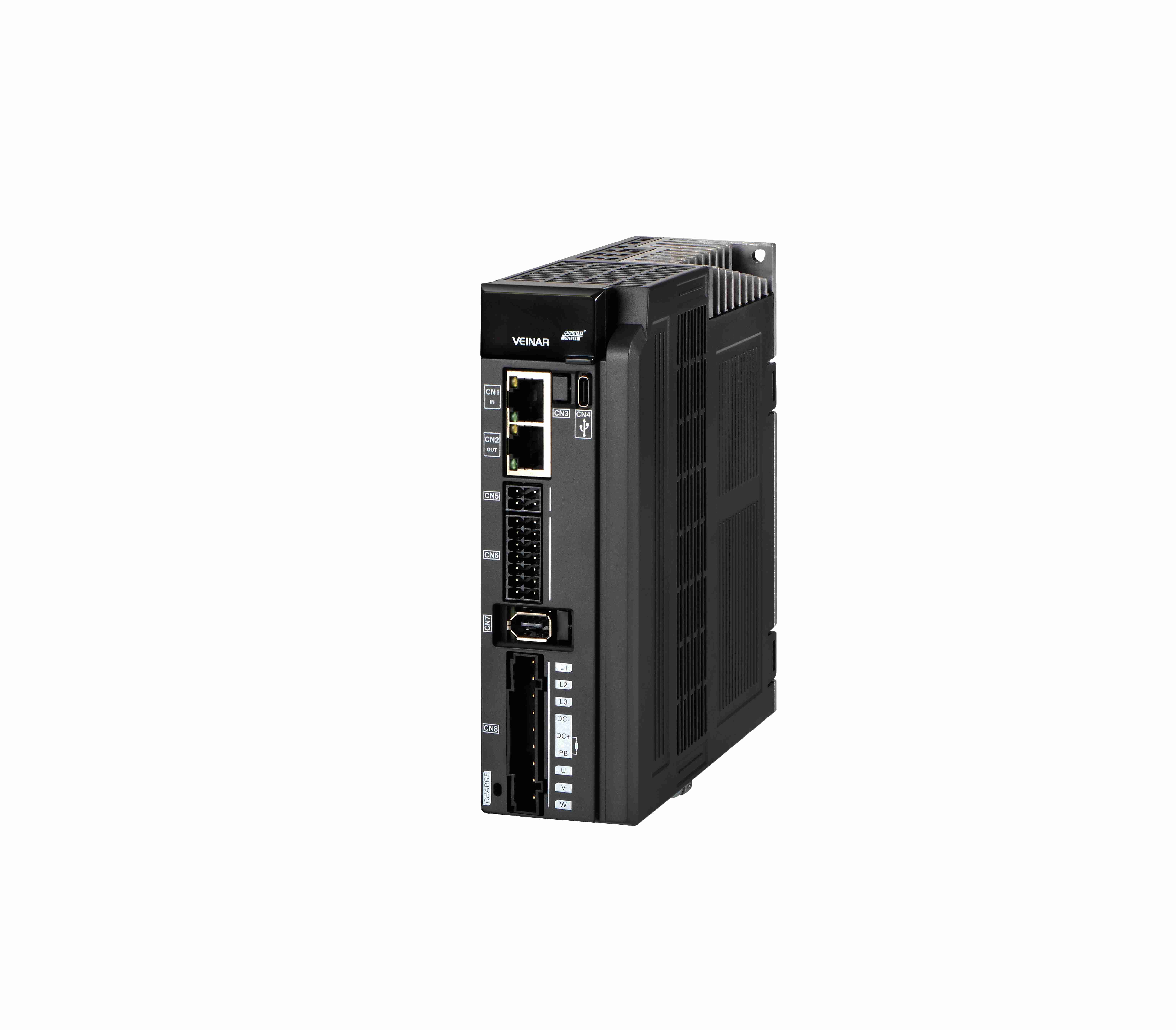
အမြန်နှုန်းမော်တော်များ အလုပ်လုပ်ပုံ - အခြေခံမူများနှင့် လုပ်ဆောင်မှုနယ်နိမိတ်များ
တစ်ဖက်ထောက် ထိန်းညှိမှုနှင့် ဖလှယ်မှု ထိန်းညှိမှု – အမြင့်သော ကြိမ်နှုန်း လုပ်ဆောင်မှုသည် ပုံစံအသစ်ဖြင့် တစ်ဖက်ထောက် ဖြစ်မှုကို လိုအပ်သည့် အကြောင်းရင်း
အမြန်နှုန်းမြင့် linear drivers တွေဟာ current ကို အရှိန်နဲ့ ပိတ်လိုက်၊ ပိတ်လိုက် လုပ်တဲ့ switch regulator တွေနဲ့ မတူဘဲ အလုပ်လုပ်ပါတယ်။ ဒီအစား ၎င်းတို့ရဲ့ pass transistor တွေကနေ ဆက်တိုက် စီးဆင်းနေတာပါ။ ဒီနည်းလမ်းက စိတ်အနှောင့်အယှက်ဖြစ်စေတဲ့ အပြောင်းအလဲ ဆူညံသံတွေအားလုံးကို ဖယ်ရှားပေးပေမဲ့ 500 kHz ထက်ပိုမြင့်တဲ့ အခါမှာ ခေါင်းကိုက်မှုတွေ ဖန်တီးပါတယ်။ ဒီမြင့်တဲ့ ကြိမ်နှုန်းတွေမှာ ဒီစိတ်တိုစရာ ကပ်ပါးကောင် capacitance တွေက စတင်လုပ်ဆောင်ပြီး လျှပ်စစ်သံလိုက်အနှောက်အယှက်ဟာ အဓိကပြဿနာတစ်ခုဖြစ်လာတယ်။ စနစ်တစ်ခုလုံးဟာ လျှပ်စစ်အားကို အသွားအပြန် အစိတ်အပိုင်းကို ဖြတ်ပြီး ရယူဖို့ အားကိုးပါတယ်။ ဒါက ထိန်းချုပ်မှု လည်ပတ်မှုမှာ အဆင့်အပြောင်းအလဲတွေကို ဘယ်လို လျော်ကြေးပေးတယ်ဆိုတာနဲ့ သေချာစွာ ကိုက်ညီဖို့လိုပါတယ်။ ဥပမာအနေနဲ့ 1 MHz ကို ယူကြည့်ပါ။ နာနိုစက္ကန့်တွေမှာ တိုင်းတာတဲ့ သေးငယ်တဲ့ ဂိတ် capacitance နှောင့်နှေးမှုတောင်မှ စည်းမျဉ်းစည်းကမ်း တိကျမှုကို လုံးဝ ချိုးဖောက်နိုင်ပြီး မျဉ်းကြောင်းဆိုင်ရာ အယူအဆဟောင်းများစွာကို အလုပ်မဖြစ်အောင် လုပ်စေပါတယ်။ ဒီနှုန်းနှုန်းတွေနဲ့ ချဉ်းကပ်တဲ့ ±0.5% output spec ကို ရဖို့ အင်ဂျင်နီယာတွေဟာ ဒီနေရာ၊ ဒီနေရာမှာ ပါမစ်တာတွေကို ညှိတာထက် ထရန်စစ္စတာ ရွေးချယ်မှုကနေ တုံ့ပြန်မှု လူးပတ်တွေ ပြုမူပုံအထိ အရာရာကို ပြန်တွေးဖို့လိုပါတယ်။
ပတ်စ် ထရာန်စစ်တာ အပြုအမှုမှုများ၊ ပြန်လည်ပေးပို့ခြင်း ခွင်အောက်ခြေ အကျယ်၊ ၁ မီဂါဟတ်ဇ်အထက်တွင် တည်ငြိမ်မှု
ပေါင်းစပ်မှု ထရာန်စစ်တာများ (pass transistors) သည် အများကြီးလေးနက်သော အခြေအနေ (saturation) သို့ ရောက်သည့်အခါ အဆိုပါ ထရာန်စစ်တာများ၏ အပြုအမှုမှုသည် ဖြတ်တောက်မှု ဗို့အား (dropout voltage) ၏ တည်ငြိမ်မှုကို တိုက်ရိုက်အကျိုးသက်ရောက်စေပါသည်။ အထူးသဖြင့် အချိန်ကြားပေါင်းမှုများ (frequencies) သည် ၁ MHz ကျော်လွန်သည့်အခါတွင် ဖြစ်ပါသည်။ ဘောင်ဒ်များ (loads) သည် အလွန်မြန်မြန်ပြောင်းလဲသည့်အခါ အပူကို သင့်လျော်စွာ ပျောက်ကွယ်စေရန် အချိန်မှီမှုမရှိတော့ပါ။ ထိုအခါ အပူပေါ်လွန်ကြီးမှု (thermal runaway) ဖြစ်ပွားနိုင်ခြေသည် အလွန်မြင့်မားလာပါသည်။ စနစ်၏ တည်ငြိမ်သော အလုပ်လုပ်မှုအတွက် ဒီဇိုင်နာများသည် စနစ်၏ အလုပ်လုပ်မှု အချိန်ကြားပေါင်းများထက် အနည်းဆုံး ၃၀ ရှိသည့် အချိန်ကြားပေါင်းများဖြင့် အလုပ်လုပ်နိုင်သည့် ပြန်လည်ပေးပို့မှု ခုံးများ (feedback loops) ကို အသုံးပြုရန် လိုအပ်ပါသည်။ ထိုအတွက် အမှားအမှန် မြှင်းမှု (error amplifiers) များသည် နာနိုစက္ကန်ဒ် ၅ ခုအတွင်း တုံ့ပြန်နိုင်ရန် လိုအပ်ပါသည်။ ပရင်တ်ထုတ်ထားသော စီအီးဘီ (printed circuit boards) ပေါ်ရှိ ကြေးနီ ကြိုးများ၏ အလွန်သေးငယ်သော ခုံးများ (tiny loops of copper) သည် နာရီအမြန်နှုန်း (clock speeds) သည် ၈၀၀ kHz အနီးတွင် ရောက်သည့်အခါ အချိန်ကြားပေါင်း အမြှုန်း (phase margin) ကို ဖြစ်ပေါ်စေသည့် အပါရသိုက် အညှိနှိုင်းမှု (parasitic inductance) များကို ဖန်တီးပါသည်။ ထို့ကြောင့် အမှန်တကယ် ဘောင်ဒ်များ ပြောင်းလဲနေသည့်အခါ ဘိုဒ် ပလော့ (Bode plots) များကို အသုံးပြု၍ အမြှုန်းအမြှုန်း (gain margins) (၁၀ dB ထက် ပိုမှု) နှင့် အချိန်ကြားပေါင်း အမြှုန်း (phase margins) (၄၅ ဒီဂရီထက် ပိုမှု) တို့ကို စစ်ဆေးရန် အလွန်အရေးကြီးပါသည်။ ဤအမြန်နှုန်းများတွင် စွမ်းအင်ဆုံးရှုံးမှုများ၏ ၇၀ ရှိသည့် အပိုင်းသည် ပေါင်းစပ်မှု အစိတ်အပိုင်း (pass element) အတွင်းတွင် တိုက်ရိုက်ဖြစ်ပါသည်။ ထို့ကြောင့် အပူကို ထိရောက်စွာ ဖြ рассеять (heatsinking) လုပ်ရန်သည် အခုအခါ အလွန်အရေးကြီးသည့် အရာဖြစ်လာပါသည်။ ကျွန်ုပ်တို့၏ စီအီးရှ်များ (circuits) သည် အချိန်ကြာမှုအတွင်း ယုံကြည်စွာ အလုပ်လုပ်နေရန်အတွက် အပူကို ထိရောက်စွာ ဖြ рассеять (heatsinking) လုပ်ရန် လိုအပ်ပါသည်။
ခေတ်မှီပါဝါစနစ်များတွင် အမြန်နှုန်းမြင့် လိုင်နီယာဒရိုင်ဘာများ၏ အဓိကအကျေးဖဲ့မှုများ
သေးငယ်စေခြင်း၏ အကျိုးကျေးဇူးများ- capacitor များ သေးငယ်ခြင်း၊ PCB ဧရိယာ လျော့နည်းခြင်းနှင့် ကပ်ပါးကောင်များ၏ အာရုံခံနိုင်စွမ်း နည်းပါးခြင်း
စနစ်များသည် အမြင့်မှုန်းဖီကြူရင်စီများတွင် ထိရောက်စွာ လည်ပတ်သည့်အခါ အစိတ်အပိုင်းများကို အရှုပ်ထွေးမှုနည်းပါးစေပါသည်။ အရှုပ်ထွေးပြီး အရွယ်အစားကြီးမားသော အီလက်ထရောလီတစ် ကပ်သ်စီတာများကို ESR နိမ့်သော သေးငယ်သော စီရမစ် ကပ်သ်စီတာများဖြင့် အစားထိုးနိုင်ပါသည်။ ထိုသို့ပြုလုပ်ခြင်းဖြင့် ပရင်တ်စ်ကာကွဲတ် ဘုတ်များပေါ်တွင် လိုအပ်သော နေရာကို ၄၀% အထိ လျော့နည်းစေပါသည်။ အစိတ်အပိုင်းအရေအတွက် နည်းသောကြောင့် အစိတ်အပိုင်းများကြားတွင် မလိုလားအပ်သော အိန်ဒတ်တန်စီနှင့် ကပ်သ်စီတန်စီများ ဖြစ်ပေါ်မှုလည်း သဘောထားရှိစွာ လျော့နည်းသွားပါသည်။ ထိုသို့သော အချက်များသည် မီလီမီတာတစ်ခုခုကိုပါ အရေးကြီးသည့် နေရာများတွင် အထူးအရေးကြီးပါသည်။ ဥပမါ- ဝတ်ဆင်ရေး ဆေးဘက်ဆိုင်ရာ ပစ္စည်းများ သို့မဟုတ် နက်ဝပ်ဝပ် အိုင်အိုတီ ကိရိယာများတွင် အသုံးပြုသည့် အလွန်သေးငယ်သော စီန်ဆာများ စသည်တို့ဖြစ်သည်။ ဤနေရာတွင် အရေးကြီးသည့်အချက်များမှာ စွဲလမ်းမှုများ (switching noise) များ မဖြစ်ပေါ်သည့်အခါ ထုတ်လုပ်သူများသည် စုံလင်သော EMI ဖီလ်တာများကို တပ်ဆင်ရန် သို့မဟုတ် အရေးကြီးသော နေရာများကို သံလွင်ပိုမ်းခြင်းများ မလုပ်ရန် လိုအပ်ပါသည်။ ထိုသို့ပြုလုပ်ခြင်းဖြင့် ပေါ်လ်ဒ်ပေါ်တွင် နေရာအပိုများကို ထိန်းသိမ်းနိုင်ပါသည်။ ထို့အပှင့် စံနှုန်းများနှင့် ကိုက်ညီမှုကို ထိန်းသိမ်းရန် နှင့် အရည်အသွေးကောင်းမွန်သော စိုင်နယ်အရည်အသွေးကို ထိန်းသိမ်းရန် လိုအပ်ပါသည်။
အထူးကောင်းမွန်သော ခဏတာ တုံ့ပြန်မှုနှင့် အသံအော်နော်မှုနည်းသော အထွက်အားများ - တိကျသော မော်တာများနှင့် အနေလော်ဂ် အသုံးပုံများအတွက်
အမြန်နှုန်းမြင့် linear drivers တွေက microsecond တွေအတွင်းမှာ တုံ့ပြန်ပါတယ်။ ဒါက ပုံမှန် linear (သို့) switch အခြေခံတဲ့ ရွေးချယ်မှုတွေနဲ့စာရင် ဆယ်ဆလောက် ပိုမြန်ပါတယ်။ လက်တွေ့မှာ ဒါရဲ့ အဓိပ္ပါယ်က ဘာလဲ။ ဒီမောင်းသူတွေဟာ ဝန်ထုပ်မှာ ရုတ်တရက် ပြောင်းလဲမှုရှိတဲ့အခါတောင် စွမ်းအင်ကို အပို (သို့) အနှုတ် (၀.၈) ရာခိုင်နှုန်းမှာ ထိန်းထားတယ်။ ဒါက လေဆာ နေရာချမှတ်ရေး အဆင့်တွေနဲ့ စက်ရုပ် လှုပ်ရှားကိရိယာတွေကို ထိခိုက်စေနိုင်တဲ့ စိတ်တိုစရာ အလွန်အကျွံ ပြဿနာတွေကို ကာကွယ်ဖို့ ကူညီပေးပါတယ်။ ၎င်းတို့ဟာ ဘယ်အပြောင်းအလဲ ကိရိယာကိုမှ မထုတ်လုပ်ကြလို့ ထုတ်လွှတ်မှု လှိုင်းက ၁၀ မိုက်ခရိုဗို့အောက်မှာ ရှိနေပါတယ်။ အဲဒါကြောင့်မို့လို့ ၎င်းတို့ဟာ လျှပ်စစ် ဇီဝကမ္မဆိုင်ရာ ကိရိယာများ၊ အရည်အသွေးမြင့် အန်နာလော့မှ ဒစ်ဂျစ်တယ်သို့ ပြောင်းလဲရေး ကိရိယာများ၊ ပြီးတော့ နောက်ခံအသံဟာ လက်တွေ့တွင် ဘယ်လောက် တိကျစွာ ဖတ်နိုင်မလဲ ဆိုတာကို ဆုံးဖြတ်ပေးကြတဲ့ တိုင်းတာရေး စနစ်မျိုးစုံအတွက် သိပ်ကို ကောင်းမွန်စွာ အသုံးချနိုင်ကြပါတယ်။
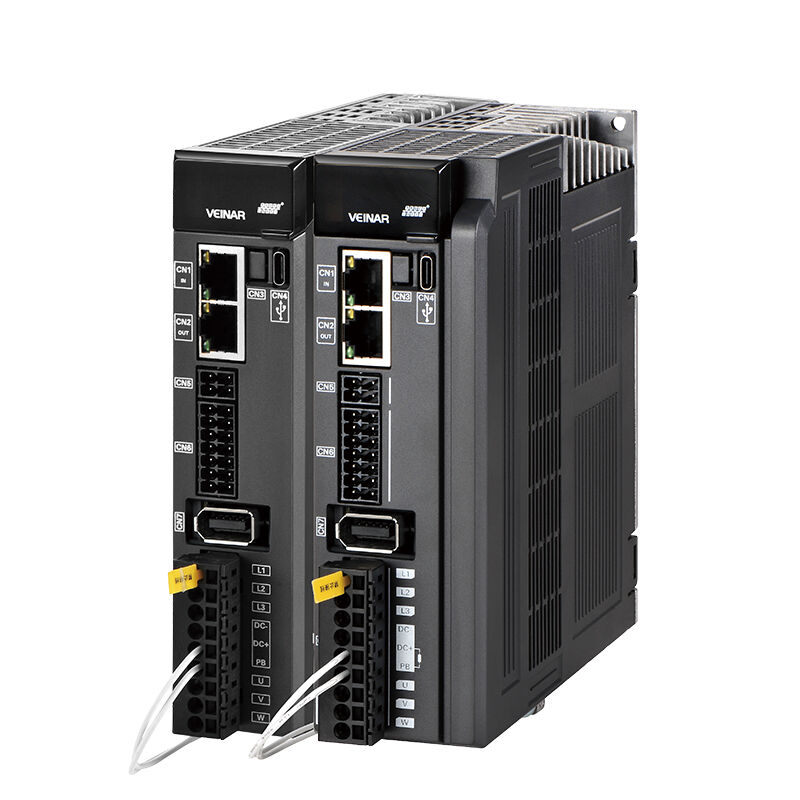
အမြန်နှုန်းမြင့် linear driver ရွေးချယ်မှုအတွက် အရေးပါတဲ့ စွမ်းဆောင်မှု ပါမစ်တာများ
ထိရောက်မှုဆိုင်ရာ ကုန်သွယ်မှု: ကြိမ်နှုန်းက 500 kHz ထက် မြင့်တက်လာတဲ့အခါ ဂိတ်မောင်းနှင်မှု ဆုံးရှုံးမှုတွေက လွှမ်းမိုးတယ်။
၅၀၀ ကီလိုဟာတ်ဇ် အကြိမ်နှုန်းထက် ပိုများသော အကြိမ်နှုန်းများဖြင့် အလုပ်လုပ်ခါနီးတွင် ဂိတ်မောင်းမှုဆိုင်ရာ စွမ်းအင်ဆုံးရှုံးမှုများသည် စနစ်၏ စွမ်းဆောင်ရည် ပြဿနာများကို အဓိကအားဖြင့် ဖြစ်စေလာပါသည်။ လုပ်ငန်းလေ့လာမှုများအရ ဤဆုံးရှုံးမှုများသည် ဆဲမီကွန်ဒတ်တာ အသုံးပျော်မှုများတွင် စုစုပေါင်း စွမ်းအင်ဆုံးရှုံးမှု၏ ၄၀ ရှိသည်။ အဘယ့်ကြောင့်နည်း။ အကြောင်းမှာ မော်စ်ဖက်တ် (MOSFET) ဂိတ်များကို အားဖေးပေးခြင်းနှင့် အားဖေးပေးမှုကို ဖျက်ခြင်းအတွက် လိုအပ်သော စွမ်းအင်ကို အလွန်များပြားစွာ တိုးမှုပေးခြင်းဖြင့် စွမ်းအင်အသုံးပြုမှုကို စတုရန်းနှုန်းအတိုင်း တိုးမှုပေးနေခြင်းကြောင့် ဖြစ်ပါသည်။ ဤစနစ်များကို အလုပ်လုပ်နေသည့် အင်ဂျင်နီယာများအတွက် မှန်ကန်သော ဟန်ချက်ညီမှုကို ရှာဖွေရေးသည် အလွန်အရေးကြီးပါသည်။ သူတို့သည် ဂိတ်မောင်းမှုအားကို ညှိပေးရန်နှင့် စွမ်းအင်ဆုံးရှုံးမှုများကို ထိန်းချုပ်ရန်အတွက် သေချာစွာ သော့ချက်အချိန် (dead time) ထိန်းချုပ်မှုများကို စီမံခန့်ခွဲရန် လိုအပ်ပါသည်။ ထို့အပြင် အပူချိန်များ တက်လာသည့်အခါ အခက်အခဲများသည် ပိုမိုရှုပ်ထွေးလာပါသည်။ စံသတ်မှတ်ချက်ဖြစ်သည့် စင်တီဂရိတ် ၈၅ ဒီဂရီ စီလီယပ်စ်ထက် ဒီဂရီ ၂၅ အထိ တက်လာသည့်အခါ မော်စ်ဖက်တ်၏ ပိုမိုမှန်ကန်သော ပြန်လည်ချိန်ညှိမှုများသည် ၁၅ မှ ၂၀ ရှိသည်။ ဤသည်မှာ အပူချိန်များ တက်လာခြင်းကြောင့် စွမ်းဆောင်ရည် ပိုမိုကောင်းမှုများ လျော့နည်းလာပြီး ထိုအခါ ပိုမိုများပြားသော အပူချိန်များ ထုတ်လုပ်လာခြင်းကို ဖြစ်စေသည့် အန္တရာယ်ရှိသော ပြောင်းလဲမှု သော့ချက်များ ဖြစ်ပါသည်။ ထို့ကြောင့် ခေတ်မှီ ဒီဇိုင်းများတွင် အပူချိန် စောင်းကြည့်ခြင်း လုပ်ဆောင်ချက်များကို နောက်ဆုံးတွင် ထည့်သွင်းခြင်းများအဖြစ် မှတ်ယူခြင်းမှ လွဲ၍ စီမံကိန်းချမှတ်မှု အစေးအနေဖြင့် ပါဝင်လာခြင်းများ ပိုမိုများပြားလာပါသည်။
အမြင့်မှုန်းကြိမ်နှုန်းဖြင့် အလုပ်လုပ်သည့်အခါ ထုတ်လုပ်မှုဖြတ်တောက်မှုဗို့အား (Dropout voltage) တည်ငြိမ်မှုနှင့် အပူစီမံခန့်ခွဲမှု
မှုန်းကြိမ်နှုန်း များစွာသော MHz တွင် အလုပ်လုပ်သည့်အခါ ဘွန်းဒ်ဝိုင်ယာများနှင့် ပရင်တ်ကူးစ်ကာဗွန်ဘုတ် (PCB) လိုင်းများတွင် ပါရှစ်တစ်က် အိုင်န်ဒတ်စ် (parasitic inductance) များကြောင့် ဘာသာရပ်အခြေအနေများ ရုတ်တရက်ပြောင်းလဲသည့်အခါ ၃၀၀ မီလီဗို့အားထက် ပိုမိုမြင့်မားသော ဗို့အားခုန်မှုများ (voltage spikes) ဖြစ်ပေါ်လာနိုင်ပါသည်။ ဤဗို့အားခုန်မှုများသည် အနာလော့ဂ်ဆာက်စွဲမှုများ၏ စီမံထိန်းညှိမှုတည်ငြိမ်မှုကို အထိရောက်ဆုံးဖျက်ဆီးပေးပါသည်။ ထို့အတူ ဤအရှိန်မြင့် လျှပ်စီးကြောင်းပြောင်းလဲမှုများ (အမြင့် di/dt) သည် ဒရိုင်ဗာဖီလ်ဒ်အိုင်ဖက်တ်ထရာန်ဇစ်တာများ (driver FETs) တွင် အပူအမှုန်းများ (heat spots) ကို ဖြစ်ပေါ်စေပါသည်။ ထိုအပူအမှုန်းများကို စံနှုန်းအတိုင်းသုံးသည့် အပူစီမံခန့်ခွဲမှုတွက်ချက်မှုများဖြင့် မှန်ကန်စွာ ထည့်သွင်းစဉ်းစားပေးနိုင်ခြင်းမရှိပါ။ ကောင်းမွန်သောဒီဇိုင်းများတွင် ကြေးနီပေါ်လ် (copper pour) အပူစုပ်ချုပ်မှုနည်းပါးများနှင့် အပူချိန်အလိုက် ညှိထားသော ဘိုင်အားစီမံခန့်ခွဲမှုများ (temperature-adjusted biasing networks) ကို အသုံးပြုလေ့ရှိပါသည်။ ထိုနည်းဖြင့် စက်မှုလုပ်ငန်းအတွက် အသုံးပြုရာတွင် အပူချိန် -၄၀ ဒီဂရီစင်တီဂရိတ်မှ ၁၂၅ ဒီဂရီစင်တီဂရိတ်အထိ အကုန်လုံးတွင် ထုတ်လုပ်မှုဖြတ်တောက်မှုဗို့အားကို အနက် ၂ ရှုံးမှုအထိ (+/- 2%) အတိအကျထိန်းသိမ်းပေးနိုင်ပါသည်။
အမြန်နှုန်းမြင့် လီနီယာဒရိုင်ဗာများ၏ ဒီဇိုင်းစဉ်းစားမှုများနှင့် လက်တွေ့အသုံးပြုမှုအကန့်အသတ်များ
အမြန်နှုန်းမြင့် linear drivers တွေကို မှန်ကန်စွာ အလုပ်လုပ်စေဖို့ အပူထိန်းချုပ်မှုကို အလေးအနက်ထားဖို့ လိုပါတယ်။ ကြိမ်နှုန်းတွေက ၅၀၀ kHz ကျော်သွားတဲ့အခါ စွမ်းအင် ဆုံးရှုံးမှုက သိသိသာသာ မြင့်တက်သွားတယ်။ ဆိုလိုတာက ဒီပစ္စည်းတွေ ကြာရှည်ခံချင်ရင် အပူခံအားနိမ့်ပြီး အပူဓာတ်ကျမှု ကောင်းတဲ့ အစိတ်အပိုင်းတွေ လုံးဝလိုအပ်တာပါ။ သူတို့ဟာ ဆူညံသံတွေ အများကြီး ဖြစ်ပေါ်စေပြီး အချက်ပြမှု တိကျမှုဟာ အရေးပါတဲ့ အသုံးအဆောင်တွေမှာ အရမ်းကောင်းမွန်စွာ လုပ်ဆောင်ပါတယ်။ တိကျတဲ့ အာရုံခံကိရိယာတွေ၊ ဆေးဘက်ဆိုင်ရာ ကိရိယာတွေ၊ အန်နာလော့နဲ့ ဒစ်ဂျစ်တယ် အချက်ပြမှုတွေကို ကိုင်တွယ်တဲ့ စမ်းသပ်ရေး ကိရိယာတွေပေါ့။ ဒါပေမဲ့ လျှပ်စစ်လျှပ်စစ်နိမ့်စနစ်တွေနဲ့ အလုပ်လုပ်တဲ့အခါ တကယ့် ကန့်သတ်ချက်တွေရှိပါတယ်။ ဥပမာ၊ အပြင်ထွက် 3.3 volts ကို တည်ငြိမ်စွာ ထိန်းသိမ်းဖို့ လိုအပ်ပါတယ်။ ဥပမာ၊ အလေးချိန် ပြောင်းလဲတဲ့အခါမှာ အနည်းဆုံး 3.8 volts ဝင်လာဖို့လိုပါတယ်။ ဒါက အနည်းဆုံး voltage ကို ချဉ်းကပ်နေတဲ့ ဘက်ထရီတွေမှာ သုံးဖို့ ခက်ခဲစေပါတယ်။ 1 MHz ထက်ကို ရောက်တာနဲ့ လျှပ်စစ်သံလိုက်အနှောက်အယှက်ကို ကိုင်တွယ်ဖို့ ပိုခက်လာပါတယ်။ ကောင်းမွန်တဲ့ PCB layout အရေးပါတယ်၊ သင့်တော်တဲ့ grounding နည်းစနစ်တွေက ကူညီပေးပြီး တစ်ခါတစ်လေမှာ အကာအကွယ်ပေးတာလည်း လိုအပ်ပါတယ်။ အထူးသဖြင့် CISPR 32 လို စံနှုန်းတွေကို လိုက်နာတာကြောင့်ပါ။ နောက်ဆုံးအချက်က ဒီမောင်းနှင်သူတွေဟာ plug-and-play အစိတ်အပိုင်းတွေ မဟုတ်ဘူး။ ၎င်းတို့ဟာ စနစ်ရဲ့ ဒီဇိုင်းထဲတွင် အစောပိုင်းတွင် ပေါင်းစပ်ရန် လိုအပ်ပါတယ်၊ လျှပ်စစ်စီးဆင်းမှု၊ အပူစုစည်းမှု၊ လျှပ်စစ်သံလိုက်ကွင်းတွေ တစ်နေ့တည်းမှာ ဘယ်လို တုံ့ပြန်ဆက်သွယ်ကြပုံကို စဉ်းစားရန် လိုအပ်ပါတယ်။
အကြောင်းအရာများ
- အမြန်နှုန်းမော်တော်များ အလုပ်လုပ်ပုံ - အခြေခံမူများနှင့် လုပ်ဆောင်မှုနယ်နိမိတ်များ
- ခေတ်မှီပါဝါစနစ်များတွင် အမြန်နှုန်းမြင့် လိုင်နီယာဒရိုင်ဘာများ၏ အဓိကအကျေးဖဲ့မှုများ
- အမြန်နှုန်းမြင့် linear driver ရွေးချယ်မှုအတွက် အရေးပါတဲ့ စွမ်းဆောင်မှု ပါမစ်တာများ
- အမြန်နှုန်းမြင့် လီနီယာဒရိုင်ဗာများ၏ ဒီဇိုင်းစဉ်းစားမှုများနှင့် လက်တွေ့အသုံးပြုမှုအကန့်အသတ်များ