
 EN
EN
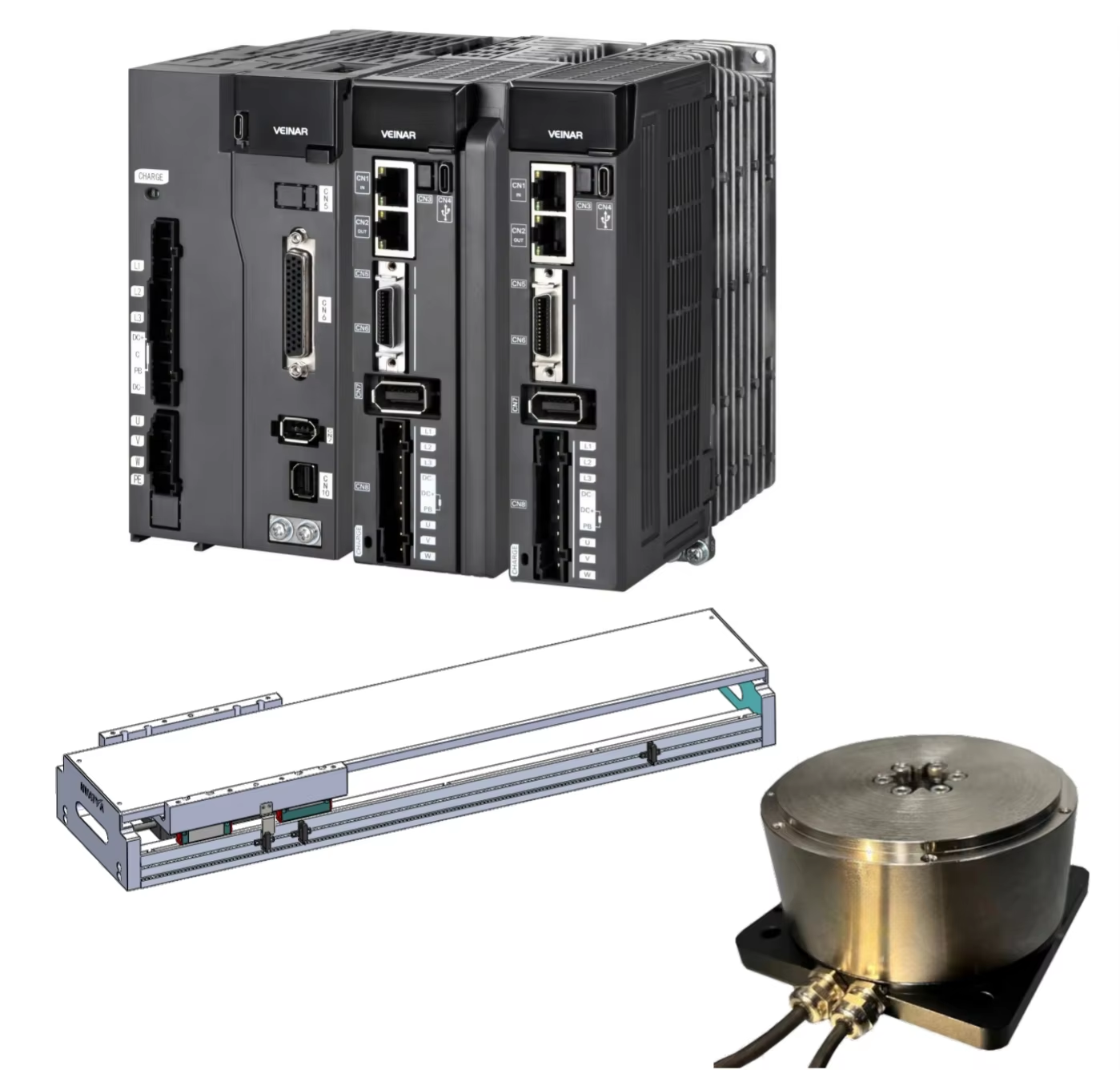
3D ပရင့်တာ ဆာဗို ဒရိုင်းများသည် အမြင့်တန်း တိကျမှုရှိပြီး ယုံကြည်စိတ်ချရသော ပရင့်တ်ခြင်းကို ဘာကြောင့် ဖော်ဆောင်ပေးနိုင်သနည်း
စတက်ပာများ၏ ကန့်သတ်ချက်များကို ကျော်လွှားခြင်း – ပိတ်ထားသော ခုံးစနစ် ဆာဗို ထိန်းချုပ်မှုသည် အလွှာများ ရွေ့သွားခြင်းနှင့် ခုန်ကောက်မှုများကို ဘယ်သို့ ကာကွယ်ပေးသနည်း
ရှေးခေါင်းပေါက်သော stepper motors များသည် open loop system ဟုခေါ်သည့် စနစ်တွင် အလုပ်လုပ်ပါသည်။ ဤစနစ်တွင် မော်တာများ လည်ပတ်နေစဉ် အမှန်တကယ်ရှိနေသည့် အနေအထားကို စစ်ဆေးနိုင်ခြင်းမရှိပါ။ ထို့ကြောင့် မြန်မြန်ပိုမ်းခြင်း၊ ဖိလ်မეန့် ကောက်ညှင်းသွားခြင်း သို့မဟုတ် ရုပ်ပိုင်းဆိုင်ရာ ဖိအားများကြောင့် အလုပ်လုပ်နေစဉ် အဆင့်များကို လွဲမော့သွားခြင်းများ ဖြစ်ပေါ်လေ့ရှိပါသည်။ servo drives များသည် ဤပြဿနာကို လုံးဝဖြေရှင်းပေးနိုင်ပါသည်။ အဘယ်ကြောင့်ဆိုသော် ၎င်းတို့သည် closed loop control ဟုခေါ်သည့် စနစ်ကို အသုံးပြုပြီး 0.001 ဒီဂရီ သို့မဟုတ် ထိုထက်ပိုမိုတိက်မှန်သည့် တိက်မှန်မှုဖြင့် တိုင်းတာနိုင်သည့် encoder များကို အသုံးပြုသောကြောင့်ဖြစ်ပါသည်။ ဤ encoder များသည် အနေအထားဆိုင်ရာ ပြဿနာများကို ချက်ချင်းဖမ်းမိပြီး အချိန်နှင့်တစ်ပါကုန် ပြင်ဆင်ပေးနိုင်ပါသည်။ စနစ်သည် အနေအထားများကို မှန်ကန်စေရန် တိုင်းနှုန်းမှုများကို စက္ကန်း၏ အပိုင်းငယ်များအတွင်း အလိုအလျောက် ညှိပေးပါသည်။ ထို့ကြောင့် အနေအထားများ လွဲမော့သွားခြင်းများကို လူတို့ သတိမထားမိမှီ ကာကွယ်ပေးနိုင်ပါသည်။ CoreXY printer စနစ်များအတွက် အထူးသဖြင့် servo drives များသည် ဘောင်းလုံးများ၏ တင်အားများ ကွဲလေးမှုများကြောင့် စက်၏ အစိတ်အပိုင်းများသည် အနည်းငယ်ကွဲပြားသည့် အမြန်နှုန်းများဖြင့် လည်ပတ်နေသည့် အခက်အခဲရှိသည့် အပိုင်းကို ကိုင်တွယ်ပေးနိုင်ပါသည်။ ထိုအပိုင်းများကို အလိုအလျောက် ညှိပေးခြင်းဖြင့် X နှင့် Y အက္ခရာများသည် မှန်ကန်စွာ ညှိပေးထားပါသည်။ Motion Control Analysis မှ ပြုလုပ်သည့် မက်ထော်ဒ်တစ်ခုအရ ဤကဲ့သို့သည့် real time error fixing ကို အသုံးပြုသည့် printer များသည် ရှေးခေါင်းပေါက် stepper motors များကို အသုံးပြုနေသည့် စက်များထက် ပုံနှိပ်မှု မအောင်မြင်မှုများ အကောင်းဆုံး အချိန်တွင် တစ်ဝက်သာ ရှိသည်ဟု တွေ့ရှိခဲ့ပါသည်။
ဆာဗိုဒရိုင်းဖ်၏ တုံ့ပြန်မှုနှင့် မီကရွန် ၅၀ အောက်ရှိ အလွှာတွေ၏ တည်ငြိမ်မှုကြားရှိ တိုက်ရိုက်ချိတ်ဆက်မှု
၅၀ မိုက်ခရွန်အောက်တွင် စိတ်ချရသော အလွှာများကို ရရှိခြင်းသည် အရည်အသွေးကောင်းမော်ဒယ်များရှိခြင်းသာမက အခြေအနေများ ပြောင်းလဲသည့်အခါ စနစ်၏ အပြောင်းအလဲများကို အလွန်ကောင်းမော်စွာ တုံ့ပြန်နိုင်မှုကိုလည်း အဓိကထားရပါမည်။ ဥပမါ- မတူညီသော ဝန်အလေးချိန်များကို ကိုင်တွယ်ခြင်း သို့မဟုတ် လှုပ်ရှားမှုပုံစံများ ပြောင်းလဲခြင်းကို အလွန်ကောင်းမော်စွာ လိုက်လျောညီထွေဖြစ်အောင် ပြုလုပ်ခြင်း စသည်ဖြင့်ဖြစ်ပါသည်။ ဆာဗိုမော်တာများသည် အနည်းဆုံး ၂ kHz အထိ အမြင့်မာန်ဒ်ဝစ်သော ထိန်းချုပ်မှုခွင်းများဖြင့် အောင်မြင်စွာ လုပ်ဆောင်နိုင်ပါသည်။ ထို့အပြင် အရှိန်မြင်းခြင်း သို့မဟုတ် အရှိန်နှေးခြင်းအချိန်တွင် တုန်ခါမှုများကို လျှော့ချရန် အလွန်ကောင်းမော်စွာ အားကုန်ပေးမှုကို ပြောင်းလဲပေးနိုင်ပါသည်။ ထို့အပြင် အပူကို အတွင်းပိုင်းတွင် ထိန်းသိမ်းနိုင်သောကြောင့် အပူများသော ပိတ်ထားသော ပရင်တာအတွင်းခန်းများတွင် လည်း စနစ်သည် အကောင်အကျင်းဖော်နိုင်ပါသည်။ Delta ပရင်တာများသည် ဤနေရာတွင် အထူးအကျိုးကျေးဇူးရရှိပါသည်။ အကူအောက်များသည် အတိအကျ တူညီစွာ လုပ်ဆောင်နေပါက ရှုပ်ထွေးသော ကွေးမှုများအတွင်း တည်နေရာမှ ရွေ့လျော့မှုများ မဖြစ်ပါသည်။ ထို့ကြောင့် အစိတ်အပိုင်းများသည် ± ၀.၀၂ မီလီမီတာအတွင်း တိကျစွာ တိုင်းတာနိုင်ပါသည်။ ထိုတိကျမှုသည် ၅၀၀ နာရီကျော် အချိန်ကြာမှုရှိသော ရှည်လျားသော ပရင်တ်လုပ်ဆောင်မှုများအပြီးတွင်ပါ ထိန်းသိမ်းနိုင်ပါသည်။ အလွန်သေးငယ်သော တည်နေရာမှုအမှားများကို ဖယ်ရှားပေးခြင်းဖြင့် ဤဆာဗိုမော်တာများဖြင့် မောင်းသော စနစ်များသည် တိကျမှုကို အထူးအရေးထားသော စက်မှုလုပ်ငန်းဆိုင်ရာ ၃ မျှောင်း ပရင်တ်လုပ်ဆောင်မှုများအတွက် လုံလောက်သော ယုံကြည်စိတ်ချရမှုကို ရရှိစေပါသည်။
3D ပရင့်တာအတွက် အရေးကြီးသော နည်းပညာဆိုင်ရာ အသေးစိတ်အချက်အလက်များ
CoreXY နှင့် Delta Kinematics အတွက် တော်ကျူး၊ အမြန်နှုန်းနှင့် အရှိန်မှုန်သော ကိုက်ညီမှု
CoreXY နဲ့ delta ပုံနှိပ်စက်တွေကနေ ရလဒ်ကောင်းရဖို့က စက်ပစ္စည်းနဲ့ အီလက်ထရွန်းနစ်တွေ ဘယ်လောက် ကောင်းကောင်း အလုပ်လုပ်တယ်ဆိုတာကို တကယ်ပဲ မူတည်ပါတယ်။ မော်တာဟာ ဝန်ထုပ်ကို မှန်ကန်စွာ မလိုက်ဖက်တဲ့အခါ (သို့) မလုံလောက်တဲ့ မော်တာမရှိတဲ့အခါ ပြဿနာမျိုးစုံ ပေါ်လာတယ်။ ကျွန်မတို့ဟာ ရုပ်တုပုံတွေ၊ အရောင်တန်းတွေ၊ နေရာမှန်မှာ မကျတဲ့ အစိတ်အပိုင်းတွေလို အရာတွေကို မြင်ကြတယ်။ ဒီပြဿနာတွေက ပုံနှိပ်ထားတဲ့ အရာဝတ္ထုတွေရဲ့ အပြင်အဆင်နဲ့ တကယ့်အရွယ်အစား နှစ်ခုစလုံးကို ချွတ်ယွင်းစေတယ်။ ကောင်းတဲ့ servo drive တွေဟာ ပုံမှန်အားဖြင့် ချွေးမထွက်ပဲ မြန်မြန် အရှိန်မြှင့်နှုန်းတွေကို ကိုင်တွယ်ဖို့ တစ်ဝက်ကနေ တစ်ဝက် နယူတန်မီတာအထိ torque လိုပါတယ်။ ၎င်းတို့ဟာ အမာခံအချိုးကို ထိန်းချုပ်ထားကြတယ်၊ အကောင်းဆုံးက ၅:၁ ထက်မပိုပါဘူး။ လျှို့ဝှက်ချက်က လျှပ်စစ်လျှပ်စစ်ကို အနည်းဆုံး ဟတ်ဇ် နှစ်ထောင်နဲ့ ထိန်းချုပ်ပေးခြင်းပါ။ ဒါက ပြင်းထန်တဲ့ လှည့်ချက်တွေမှာ မမျှော်လင့်ဘဲ ဝန်ထုပ်တွေ ပြောင်းလဲတဲ့အခါ စနစ်ကို ပျံသန်းနေတုန်း ပြင်ဆင်ခွင့်ပေးတယ်။ စက်ရုံ စမ်းသပ်မှုတွေက ပြတာက ဒီမှန်ကန်စွာ ဟန်ချက်ညီတဲ့ စနစ်တွေဟာ တုန်ခါမှုတွေကို ၉၀ ရာခိုင်နှုန်းနီးပါး လျှော့ချနိုင်တာပါ။ ဒါပေမဲ့ အမာခံ တွက်ချက်မှုတွေကို ကျော်လွှားလိုက်လား။ အဲဒါက အစိတ်အပိုင်းတွေ ပိုမြန်မြန် စွဲမြဲလာလို့ ပြဿနာတွေ ဖြစ်စေပြီး အလွှာတွေဟာ မညီမျှမှု ရှိလာလို့ မိုက်ခရွန် ၅၀ ကျော် အထူကွဲပြားလာကြတယ်။
အင်ကုဒ်ခ်န်အရှားဖလှယ်မှု (0.001°+) နှင့် အမှားအမှင်ပေးစွမ်းမှု ပြောင်းလဲမှုအမြန်နှုန်း (Feedback Loop Bandwidth) အတွက် အချိန်နှင့်တစ်ပါတည်း အမှားအမှင်ပေးစွမ်းမှု ပြုပြင်ခြင်း
မိုက်ခရွန်အောက် နေရာချမှတ်မှု တိကျမှုအထိ ရောက်ဖို့ အဓိက အချက် နှစ်ချက် လိုအပ်ပါတယ်။ တကယ့်ကို ကောင်းမွန်တဲ့ ပြန်ကြားချက် အရည်အသွေးနဲ့ အလျင်အမြန် ပြင်ဆင်ရေး စက်ဝန်းတွေပါ ပါပါတယ်။ ဥပမာ၊ ဒီနေ့ခေတ်မှာ အလုံးစုံလှည့်တဲ့ အလုံးစုံအကောင့်တွေကို ယူကြည့်ပါ၊ ၎င်းတို့ဟာ 0.001 ဒီဂရီဝန်းကျင်မှာ အမြင်ကို ရယူနိုင်ပါတယ်၊ ဒါက နေရာတိုင်းမှာ တွေ့ရတဲ့ စံနှုန်းရှိတဲ့ 2mm pitch lead screws တွေနဲ့ အလုပ်လုပ်တဲ့အခါ မိုက်ခရွန် ၃ မိုင်လောက်ကို ပြန်ဆိုပါတယ်။ ဒီလိုအကောင့်ကို အနည်းဆုံး ၁၀ kilohertz PID loop ကို လည်ပတ်တဲ့ servo drive တွေနဲ့တွဲလိုက်ရင် ရုတ်တရက်ပဲ ဒီအသေးစား ပြင်ဆင်မှုတွေ တစ်ဝက်တစ်သန်းစက္ကန့်မှာ ဖြစ်ပေါ်လာပါတယ်။ ဒါက အရှိန်မြင့်တဲ့ အုတ်ထုတ်ခြင်း အပြောင်းအလဲတွေ (သို့) G အားတွေ အများကြီးနဲ့ ပတ်သက်တဲ့အခါ အထူးသဖြင့် သိသာတဲ့ နေရာနောက်ကျမှုကို လျှော့ချရာမှာ ကြီးမားတဲ့ ခြားနားချက်တစ်ခု ဖန်တီးတယ်။ ရလဒ်က ဘာလဲ။ ပုံမှန် stepper motor တွေနဲ့ယှဉ်ရင် နေရာအမှားက ၈၉% လျော့ကျသွားပါတယ်။ နောက်တစ်ခုပြောစရာရှိသေးတာက ပိတ်လှည့်ပတ်ပတ်လမ်းကြောင်းရဲ့ ကြိုးပမ်းမှုနှုန်းဟာ စက်ပစ္စည်းစနစ်ရဲ့ သဘာဝ ကြိမ်နှုန်းထက် ပိုမြင့်ဖို့လိုပါတယ်။ မှတ်ဉာဏ်က မှန်ကန်စွာ လုပ်ဆောင်ရင် ပုံမှန်အားဖြင့် ၈၀ နဲ့ ၁၅၀ hertz ကြားမှာ ဖြစ်တတ်ပါတယ်။ မဟုတ်ရင် မလိုလားအပ်တဲ့ လှုပ်ခါမှုတွေ စဖြစ်ပေါ်လာမယ်။ ဒါ့အပြင် ဒီအပူပိုင်း ရွေ့လျားမှု လျော်ကြေး လုပ်ဆောင်ချက်လည်း ထည့်သွင်းထားပြီး တစ်နေ့တာအတွင်း အပူချိန်တွေ ပြောင်းလဲနေတုန်း (သို့) ပုံနှိပ်မှု ကာလရှည်တွေအတွင်းမှာတောင် အလွှာကပ်ကပ်မှု ကောင်းမွန်စွာ ထိန်းသိမ်းဖို့ ကူညီပေးပါတယ်။
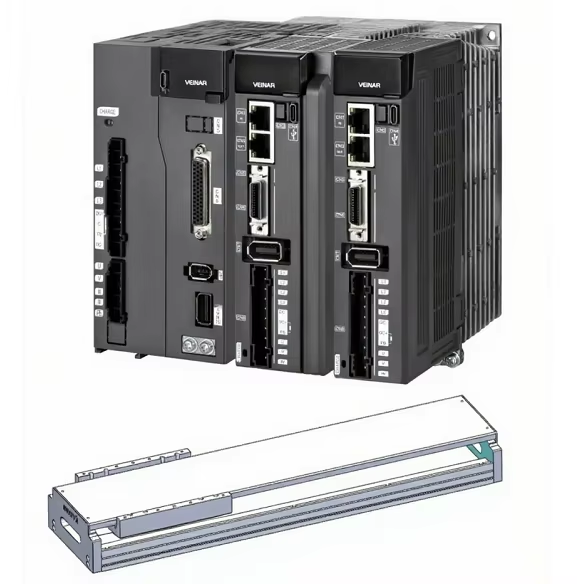
ချောမွေ့သော အသုံးပြုနိုင်မှု၊ စနစ်ချိတ်ဆက်မှုနှင့် သိပ်သည်းမှုနိမ့်သော ၃ မျက်နှာပါ ပရင်တာအတွက် အပူစီမံခန့်ခွဲမှု
ဗို့အား၊ လျှပ်စီးကြောင်းနှင့် ဆက်သွယ်ရေးပရိုတိုကောလ်များ ကိုက်ညီရေး (CANopen, STEP/DIR, EtherCAT)
ယုံကုံလေးစားရသော အင်တီဂရေရှင် (integration) ကို စတင်ရန်အတွက် လျှပ်စစ်အရ အားလုံးသည် ကောင်းမောက်စေရန်နှင့် အလုပ်လုပ်ရန်အတွက် အတူတက်သော ပရိုတိုကောလ်ဘာသာစကားကို ပြောဆိုနိုင်ရန် အရေးကြီးပါသည်။ ဗို့အားခွင့်လွင့်မှုများ (voltage tolerances) ကို မှန်ကန်စွာ သတ်မှတ်ထားခြင်းမရှိပါက ဥပမါ- ပါဝါဘတ်စ် (power bus) တွင် လိုအပ်သော ±10% ကို မီမှုန်းခြင်းဖြစ်ပါက ပြဿနာများ စတင်ဖြစ်ပေါ်လာပါသည်။ ဆာဗိုဒရိုင်ဗ်များနှင့် မောတာများအကြား အဆက်အသွယ်မှုအတွက် အများအားဖြင့် အလုပ်လုပ်သည့် စွမ်းအားနှင့် အားလုံးအားလုံး ရပ်နေသည့် စွမ်းအား (stall current) တို့ကြား အတိုင်းအတာများ မကျော်လွန်မှုများသည် ပရင်တ်လုပ်ဆောင်မှုများအတွင်း အများအားဖြင့် ပြဿနာများကို ဖော်ပေါ်စေပါသည်။ ကုရ်အက်စီワイ (CoreXY) သို့မဟုတ် ဒယ်လ်တာ ရိုဘော့ (delta robots) ကဲ့သို့သော စနစ်များပေါ်တွင် အလေးချိန်များသော ဖောင်တော်များကို လုပ်ဆောင်နေစဉ် အထူးသဖြင့် မှန်ကန်မှုမရှိသော လှုပ်ရှားမှုများ၊ အရှိန်အဟုန်များ ရုတ်တရက် ပျောက်ကွယ်သွားခြင်းများနှင့် ပရင်တ်လုပ်ဆောင်မှုများ အလယ်ခေါင်မှုန်းတွင် ရပ်သွားခြင်းများကို တွေ့ရပါသည်။ ရွေးချယ်ထားသော ပရိုတိုကောလ်သည်လည်း အရေးကြီးသော အချက်ဖြစ်ပါသည်။ CANopen သည် အက်စီစ်များကို အတူတက်စွာ ညှိနှိုင်းရန်အတွက် ကောင်းမောက်စေပါသည်။ EtherCAT သည် ၂၅ မိုက်ခရိုစက္ကန်း (microseconds) အောက်ရှိသော အလွန်မြန်ဆန်သော စီကယ်လ်အချိန်များဖြင့် ပိုမိုကောင်းမောက်စေပါသည်။ ထို့ကြောင့် အခက်အခဲများ ဖြစ်ပေါ်လာသည့်အခါ အချိန်နှင့်တစ်ပါကုန် ပြင်ဆင်မှုများကို ပေးနိုင်ပါသည်။ STEP/DIR သည် အဟောင်းများဖြစ်သော ကန်ထရိုလာများကို အသုံးပြုနိုင်စေပါသည်။ သို့သော် ခေတ်မှီစနစ်များတွင် လိုအပ်သော အဆင်ပေးမှုများ (diagnostic features) နှင့် အတူတက်သော လုပ်ဆောင်မှုများ (synchronized operation) ကို မှန်ကန်စွာ အထောက်အပံ့ပေးနိုင်ခြင်းမရှိပါ။ ဒရိုင်ဗ်ထုတ်လုပ်သူများသည် ဆာဗိုဒရိုင်ဗ်တွင် ပါဝင်သော ပရိုတိုကောလ်ကို အဓိက ကန်ထရိုလာများက မျှော်လင်းထားသည့် ပရိုတိုကောလ်နှင့် ကိုက်ညီအောင် လုပ်ဆောင်ခြင်းဖြင့် ဆက်သွယ်ရေးအမှားများကို ၉၂% ခန့် လျော့ကျစေနိုင်ကြောင်း သူတို့၏ မှတ်တမ်းများတွင် ဖော်ပြထားပါသည်။
အပူလွှမ်းမှု ဒီဇိုင်းနှင့် စွမ်းအားလျော့ချမှု ကြေးမှုများ – အတွင်းပိုင်း လေဝင်လေထွက်နည်းသော အဆောက်အဦများတွင် စွမ်းဆောင်ရည်ကို ထိန်းသိမ်းခြင်း
သေးငယ်ပြီး အပိတ်အနေဖြင့် အသုံးပြုသည့် ၃ မျက်နှာပါ ပရင်တ်ထုတ်လုပ်ရေးစနစ်များ (3D printing systems) အတွက် အထူးသဖြင့် အပိတ်အနေဖြင့် အပူချိန်များကို မြင့်မြင့်ထားပါက အပူချိန်ကို ထိန်းသိမ်းခြင်းသည် အဆင်ပေးသည့် အရာများထဲမှ တစ်ခုသာမက လုံးဝ အရေးကြီးသည့် အရာဖြစ်ပါသည်။ ကျွန်ုပ်တို့သည် မော်တာများ၏ အပူချိန်များ စင်တီဂရိတ် ၈၅ ဒီဂရီထက် ပိုမိုမြင့်မားလာသည်ကို တွေ့ရပြီး ထိုအခါ အသုံးပြုနိုင်သည့် တော့က် (torque) ပမာဏသည် ၁၅% မှ ၂၀% အထိ ကျဆင်းသွားပါသည်။ ထိုအကောင်းမှီသည့် အကောင်းမှီမှုများသည် နောက်ဆုံးပေးထားသည့် IEEE Power Electronics မှ ၂၀၂၃ ခုနှစ်တွင် ထုတ်ဝေသည့် သုတေသနစာတမ်းများအရ နေရာချထားမှု တိကျမှုများ ပိုမိုယုတ်ညာလာခြင်းနှင့် အလွှာများ အားလုံးတွင် မှန်ကန်မှုမရှိခြင်းတို့ကို ဖော်ပြပါသည်။ အပူချိန်နှင့်အတူ တော့က်ပမာဏ ပြောင်းလဲမှုကို ပြသသည့် ဤအပူချိန်လျော့ချမှု မျဉ်းကွေးများ (derating curves) သည် အရေးကြီးသည့် အရှည်ကြာသည့် လုပ်ဆောင်မှုအတွက် ဘေးကင်းမှုရှိသည့် နယ်နိမိတ်များကို သတ်မှတ်ပေးပါသည်။ ထိုမျဉ်းကွေးများကို အပူချိန် စီမံခန့်ခွဲမှု အစီအစဥ်တွင် အများအားဖြင့် ထည့်သွင်းစဉ်းစားရမည်ဖြစ်ပါသည်။ ကောင်းမွန်သည့် အပူချိန် စီမံခန့်ခွဲမှုသည် အများအားဖြင့် အောက်ပါ နည်းလမ်း သုံးမျေားကို အသုံးပြုပါသည်။ ပထမအနေဖြင့် အလူမီနီယမ် အပူစုပ်ချိန်များ (aluminum heatsinks) ကို အသုံးပြုပြီး အပူလွှဲပေးနိုင်မှုသည် မီတာ ၁ ချိန် ၅ ဝပ် (5 watts per meter Kelvin) အထက် ဖြစ်ရမည်ဖြစ်ပါသည်။ ဒုတိယအနေဖြင့် အသုံးပြုသည့် အသေးစိတ် အပူချောင်းများ (axial fans) ဖြင့် ပိတ်ထားသည့် အကွက်များအတွင်း မိုင် ၃၀ စတုရန်းပေ (30 cubic feet per minute) အထိ လေကို ဖောက်ထုတ်ပေးခြင်းဖြစ်ပါသည်။ နောက်ဆုံးအနေဖြင့် အချို့သည် မော်တာများ၏ အိမ်အုပ်များ (motor housings) အတွင်းသို့ အထူးပုံစံအတိုင်း အပူချောင်းများ (conformal coolant channels) ကို တိုက်ရိုက်ထည့်သွင်းလေ့ရှိပါသည်။ ဤအသစ်သော နည်းပညာသည် စမ်းသပ်မှုများတွင် အပူပိုမိုစုပ်ချိန်များ (hot spots) ကို စင်တီဂရိတ် ၁၂ ဒီဂရီခန့် လျော့ချပေးနိုင်ပါသည်။
| အပူလွန်းသည့် နည်းပညာ | နေရာလိုအပ်ချက် | အပူခါးခါး လျော့ချခြင်း | အကောင်းဆုံး |
|---|---|---|---|
| အပူဖြ рассipation ပေးသည့်အစိတ်အပိုင်းများ | တော်ရုံတန်ရုံ | ၈–၁၀°C | ဖွင့်ထားသော ဖရိမ်းပုံနောက်ခံ ပရင်တာများ |
| Forced air | မြင့်မားသော | ၁၂–၁၅°C | ပိတ်ထားသော ABS ပုံစံများ |
| အရည်အအေးပေးခြင်း | အနည်းဆုံး | ၁၈–၂၂°C | အားကောင်းသော တော်ကြီး ဆာဗို မော်တာများ |
သင့်လျော်သော အပူလွန်းသည့် အင်ဂျင်နီယာလုပ်ငန်းမှုဖြင့် မာရသွန် ပရင်တ်များတွင် မီကရွန် ၅၀ အောက်ရှိသော အလွှာများ၏ တည်မြဲမှုကို ထိန်းသိမ်းပေးပါသည်။ အပူလွန်းသည့် စနစ်များကို မီးမိုက်သော စနစ်များတွင် စမ်းသပ်မှုအရ ၃၇% ပျက်စီးမှုနှုန်းကို ရှောင်ရှားနိုင်ပါသည်။
အကြောင်းအရာများ
- 3D ပရင့်တာ ဆာဗို ဒရိုင်းများသည် အမြင့်တန်း တိကျမှုရှိပြီး ယုံကြည်စိတ်ချရသော ပရင့်တ်ခြင်းကို ဘာကြောင့် ဖော်ဆောင်ပေးနိုင်သနည်း
- 3D ပရင့်တာအတွက် အရေးကြီးသော နည်းပညာဆိုင်ရာ အသေးစိတ်အချက်အလက်များ
- ချောမွေ့သော အသုံးပြုနိုင်မှု၊ စနစ်ချိတ်ဆက်မှုနှင့် သိပ်သည်းမှုနိမ့်သော ၃ မျက်နှာပါ ပရင်တာအတွက် အပူစီမံခန့်ခွဲမှု