
 EN
EN
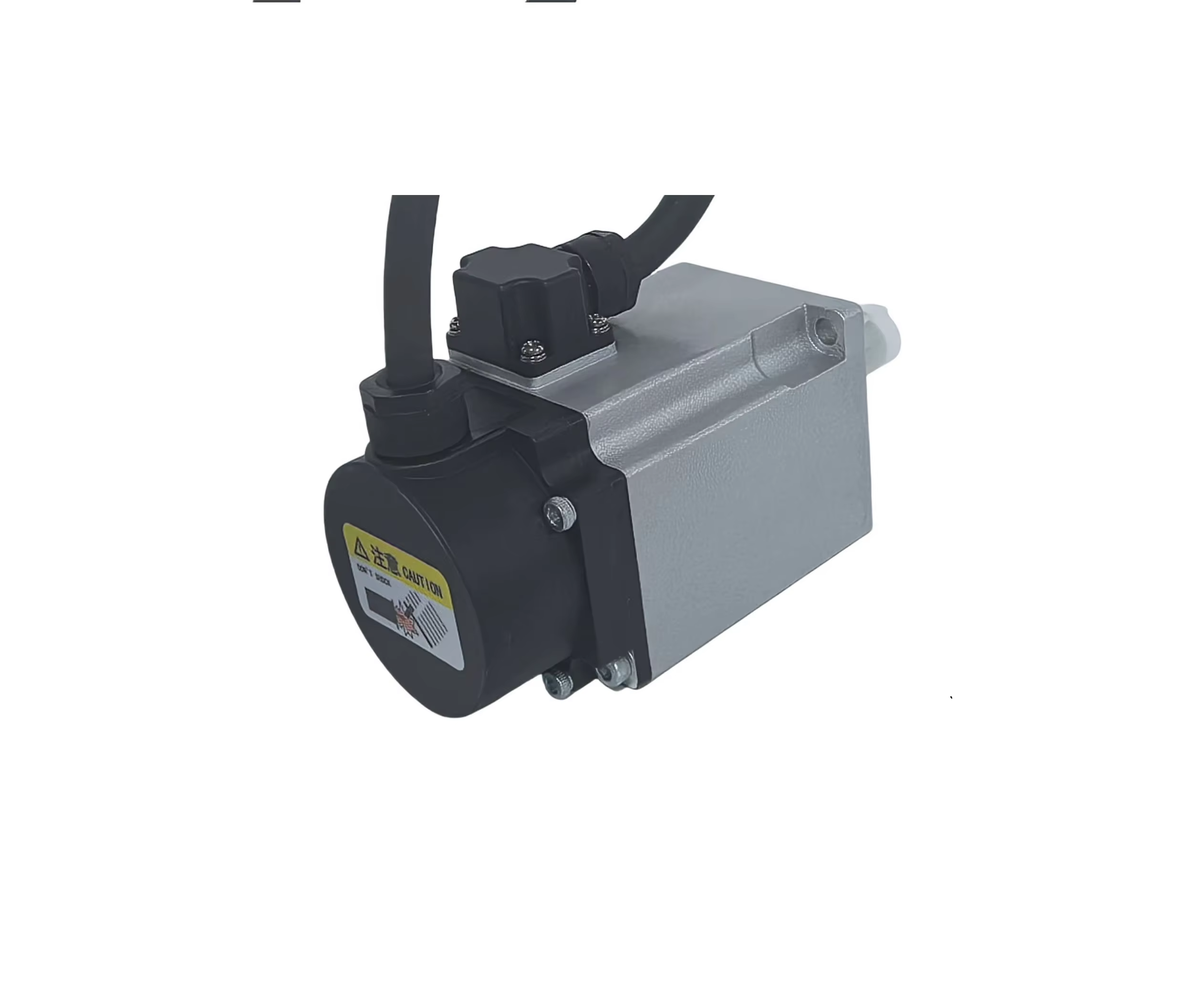
Чому нанометрове вирівнювання є критичним «вузьким місцем» для створення шаблонів у напівпровідникових технологіях з розміром елементів менше 5 нм
Зростання помилки суміщення в багатоетапних EUV-шаблонах (>1,2 нм)
Під час зменшення технологічних норм нижче 5 нм літографія в екстремальному ультрафіолетовому діапазоні (EUV) все більше покладається на багатоетапне формування шаблонів для визначення критичних шарів — кожен додатковий етап експозиції призводить до накопичення помилки суміщення. На технологічних нормах 3 нм та 2 нм загальний допустимий бюджет помилки суміщення зменшився до значення менше 1,2 нм. На практиці, однак, багатоетапні EUV-шаблони часто перевищують цей поріг через накопичення неточностей розташування. Одна-єдина неправильно розташована контактна площадка може спричинити катастрофічне коротке замикання, що призводить до втрат виходу продукції понад 20 % на шар у умовах масового виробництва. Без контролю вирівнювання на нанометровому рівні вартість обробки пластин різко зростає, а затримки виведення продукту на ринок стають неминучими.
Основні причини: тепловий дрейф, неплоскість фотомаски та динаміка руху столика, що посилюють помилку розташування
Три взаємопов’язаних фізичних чинники призводять до похибки розташування за межами допустимих меж: тепловий дрейф, неплоскість маски та динаміка столу. Навіть зміна температури навколишнього середовища на 0,1 °C викликає розширення прецизійних механічних компонентів — у тому числі столу для пластина і тримача маски — на мікроновому рівні, що з часом призводить до позиційної невизначеності на рівні субнанометрів. Неплоскість маски, яка зазвичай становить від 10 до 30 нм (від піку до піку), створює локальні спотворення зображення, які глобальні моделі вирівнювання не можуть усунути. У той же час динаміка столу — у тому числі вібрації, викликані прискоренням, гістерезис підшипників та запізнення через тертя — породжує тимчасові похибки під час руху з високою швидкістю. Ці ефекти посилюють один одного нелінійним чином, виводячи загальну похибку розташування далеко за межі граничного значення накладання 1,2 нм. Для реалізації миттєвої компенсації потрібні високошвидкісні координовані багатовісні сервосистеми, здатні реагувати швидше, ніж розвиваються механічні збурення.
Як компенсація точності з 1000 точок усуває локальні спотворення, які виходять за межі глобальних моделей
Обмеження традиційного вирівнювання за 4–9 точками при високощільнісному зразкуванні маркерів
Традиційне вирівнювання лише за 4–9 опорними точками враховує лише глобальні спотворення — рівномірне масштабування, обертання або перенесення — ігноруючи локалізовані нелінійні деформації, спричинені вигином пластина, температурними градієнтами або неплоским станом фотомаски. Коли щільність елементів зростає понад 5 нм, ці немодельовані похибки накопичуються між шарами створення малюнка, призводячи до залишкових похибок розташування понад 1,2 нм. Рідке зразкування не дозволяє виявити критичні просторові варіації спотворень, у результаті чого похибки накладання залишаються некомпенсованими й безпосередньо впливають на вихід придатних виробів.
Просторово розділене моделювання матриці Якобі для корекції ортогональності, обертання та масштабування по осях x/y
компенсація з точністю 1000 точок подолує це обмеження за допомогою щільного моделювання Якобіана: вона відображає вектори спотворення по всій робочій області, використовуючи понад 1000 просторово розподілених опорних міток. Це дозволяє отримувати матриці корекції, що залежать від положення, для ортогональності, обертання та незалежного масштабування по осях X/Y у кожному вузлі — таким чином враховуються локальні нелінійності, які пропускають розріджені методи. Отримані карти спотворень забезпечують просторову роздільну здатність на рівні мікронів, що дозволяє детальну корекцію похибок, спричинених деформацією ретикула та динамічною поведінкою стадії. Згідно з дослідженнями у галузі напівпровідникових вимірювань, цей підхід зменшує похибку розташування на 68 % порівняно зі стандартним вирівнюванням за 9 точками.
Реальна корекція на нанорівні в реальному часі завдяки високошвидкісним координованим багатовісним сервосистемам
Зменшення затримки під час динамічного повторного позиціонування зонда (>500 мкм/с) у системах SPL та станціях зондування
У скануючій зондовій літографії (SPL) та передових зондових станціях повторне позиціювання зонда зі швидкістю понад 500 мкм/с призводить до значної невизначеності позиціонування, якщо затримку керування не зменшено до мінімуму. Високошвидкісна координована багатовісова сервосистема синхронізує рух осей із точністю часової підстройки менше мікросекунди. Зворотний зв’язок від енкодера кожної осі надходить у цикл динамичної корекції в реальному часі, що динамічно коригує команди крутного моменту та швидкості — запобігаючи дрейфу до того, як він проявиться як помилка розташування. Така архітектура скорочує час затухання коливань та перевищення заданого значення, забезпечуючи повторюване нанометрове позиціонування навіть за умов агресивних профілів прискорення. Без такого керування з урахуванням затримки механічний резонанс та затримка зворотного зв’язку посилюватимуть помилки накладання понад допустимі межі 5 нм.
Архітектура синхронізації: контролер руху + сервопетля на основі FPGA + зворотний зв’язок із підмікросекундною точністю
Ефективна корекція в реальному часі залежить від тісно інтегрованого апаратно-програмного стека. Центральний контролер руху координує синхронні багатовісні траєкторії, тоді як сервопетля на основі ПЛІС (програмованої логічної інтегральної схеми) виконує регулювання положення, швидкості та струму з частотою оновлення менше одного мікросекунди. Паралельна обробка даних у ПЛІС усуває послідовні «вузькі місця», притаманні керуванню на основі процесора, а її детермінований часовий контроль забезпечує стабільне електронне передавання руху між осями. Разом ці компоненти утворюють замкнену систему зворотного зв’язку, яка активно компенсує теплове дрейфування, вібрації платформи та нелінійне тертя — зберігаючи точність вирівнювання під час нанофабрикації з високою продуктивністю.
Від компенсації до прогнозного керування: усунення недоліків зразків та інструментів
Петлі з інтегрованою метрологією в режимі реального часу зменшують похибки розташування, спричинені вигином та тепловим впливом, на 68 %
Вирівнювання нового покоління виходить за межі реактивної компенсації й переходить до прогнозного керування — завдяки інтегрованим у процес вимірювань контурам. Ці системи вбудовують датчики з високою швидкістю передачі даних безпосередньо в літографічне та зондувальне обладнання для контролю вигину пластина, теплового розширення та взаємодії інструменту й зразка під час роботи. Дані в реальному часі надходять до адаптивних алгоритмів, які коригують координати позиціонування перед помилки накопичуються, що зменшує неточності розташування на 68 % порівняно з відкритими системами керування. Компенсація теплового дрейфу працює безперервно під час коливань температури навколишнього середовища та платформи; викривлення пластини компенсується за допомогою просторового картування спотворень, отриманого з тієї самої опорної сітки з 1000 точок, яка використовується для моделювання матриці Якобі. Ключовим є те, що ця прогнозна здатність базується на безперебійній інтеграції з високошвидкісними координованими багатовісними сервосистемами — забезпечуючи застосування корекцій із точністю часу менше мікросекунди. Результатом є не лише покращена точність накладання в багатоетапному нанесенні візерунків, а й фундаментальна основа для передбачувального технічного обслуговування та автономної оптимізації процесів.
Часті запитання
Що таке нанометрова юстирування?
Нанометрова юстирування — це методи високоточної юстирування на нанометровому рівні, що використовуються в напівпровідниковому виробництві для забезпечення точної нанесення візерунків.
Чому помилка накладання є важливою в напівпровідниковому нанесенні візерунків?
Помилка накладання є критичною, оскільки вона відображає сумарне зміщення шарів у процесі створення малюнків напівпровідників і може призводити до дефектів та зниження виходу придатної продукції.
Як тепловий дрейф впливає на створення малюнків напівпровідників?
Тепловий дрейф викликає розширення механічних компонентів, що призводить до невизначеності у позиціонуванні й сприяє виникненню помилок накладання.
Які переваги має компенсація точності за 1000 точок?
компенсація точності за 1000 точок дозволяє коригувати локалізовані спотворення, які традиційні методи вирівнювання пропускають, значно зменшуючи похибку розташування.
Зміст
-
Чому нанометрове вирівнювання є критичним «вузьким місцем» для створення шаблонів у напівпровідникових технологіях з розміром елементів менше 5 нм
- Зростання помилки суміщення в багатоетапних EUV-шаблонах (>1,2 нм)
- Основні причини: тепловий дрейф, неплоскість фотомаски та динаміка руху столика, що посилюють помилку розташування
- Як компенсація точності з 1000 точок усуває локальні спотворення, які виходять за межі глобальних моделей
- Реальна корекція на нанорівні в реальному часі завдяки високошвидкісним координованим багатовісним сервосистемам
- Від компенсації до прогнозного керування: усунення недоліків зразків та інструментів
- Часті запитання