
 EN
EN
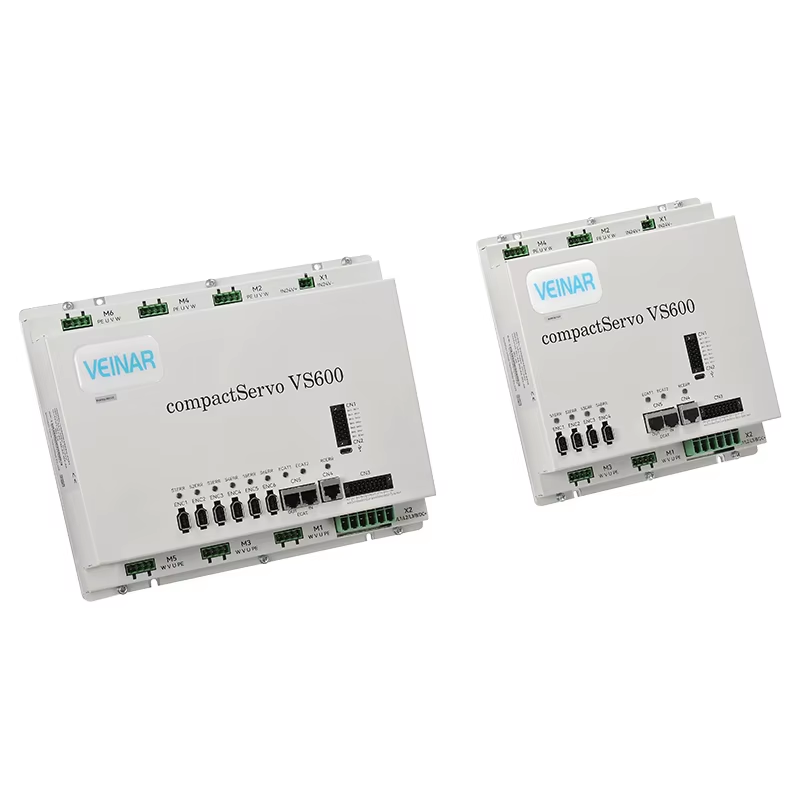
The Role of EtherCAT Servo in Digital Integration
In today's fast-paced manufacturing landscape, smart factories are no longer just a buzzword but a core driver of efficiency and competitiveness. At the heart of this transformation lies digital integration, which connects various equipment systems to work in harmony. Among the critical technologies enabling this integration is the ethercat servo, a solution that has proven vital for bridging the gap between physical machinery and digital management platforms. This type of servo drive stands out for its ability to support high-speed data transmission and seamless communication, making it a cornerstone for modern smart manufacturing setups. It aligns with the needs of industries ranging from semiconductor production to automotive manufacturing, where precision and real-time data exchange are non negotiable. With broad compatibility with other protocols like Modbus and Profinet, it can fit into diverse factory infrastructures without requiring complete overhauls, offering flexibility that many manufacturers value.
For instance, in semiconductor equipment, where micron level precision is a make or break factor, the ethercat servo’s ability to deliver consistent accuracy ensures that delicate manufacturing processes run without errors. In medical device production, its stable performance and compatibility with various encoders help maintain the strict quality standards required for life saving equipment. Even in 3D printing, a field that demands precise layer by layer deposition, this servo drive’s synchronization capabilities ensure that each print job meets design specifications. What’s more, its integration with existing systems means manufacturers don’t have to scrap their current equipment, reducing the upfront investment and minimizing operational downtime during transition. This adaptability has made it a go-to choice for both large enterprises and small to medium-sized manufacturers looking to upgrade their production lines without disrupting daily operations.
Seamless Connection Between Equipment and MES Systems
A key advantage of the ethercat servo is its direct connectivity to Manufacturing Execution Systems (MES) through OPC UA servers. This connection isn't just about sending data it enables bidirectional exchange of crucial information such as tool life and change counts. For manufacturers, this means having a clear real time view of equipment performance and resource status without manual intervention. What's more, the system is designed to act proactively when the remaining tool life drops below 50 cycles, it automatically triggers pre adjustment commands. This proactive feature eliminates the need for last minute adjustments and reduces the risk of production delays caused by unexpected tool failures. The compatibility with various encoders and multiple types of motors further enhances its utility, allowing it to integrate smoothly with different types of production equipment. This seamless connection turns isolated machines into interconnected nodes, laying the foundation for true smart factory operations.
The speed of data transmission is another standout feature. EtherCAT’s real time communication protocol allows for data transfer with minimal latency, often measured in microseconds. This is crucial for industries like automotive manufacturing, where production lines operate at high speeds and any delay in data exchange could lead to costly mistakes. For example, when a component’s dimensions deviate slightly from the standard, the ethercat servo can quickly relay this information to the MES system, which then adjusts the process in real time to correct the issue. Additionally, the compatibility with Modbus and Profinet protocols means that factories using a mix of legacy and modern equipment can still achieve full integration, avoiding the need for expensive system overhauls. This flexibility is particularly valuable for small and medium sized manufacturers who may have limited budgets but still want to embrace smart manufacturing. They can gradually upgrade their systems while keeping existing machinery in use, making the transition to smart operations more manageable and cost-effective.
Practical Benefits in Smart Workshop Operations
The real value of this digital integration becomes evident in real world applications. Take a smart workshop that adopted the ethercat servo solution for its CNC machining centers. The results were impressive tool preparation time was reduced by 40%, a significant gain that directly boosted overall production efficiency. Additionally, by analyzing historical data collected through the integrated system, the workshop was able to optimize tool layout. This optimization shortened the average tool change path by 15%, cutting down on non productive time during operations. Another notable benefit was energy savings approximately 83,000 kWh per year were saved thanks to the improved efficiency and optimized workflows. These outcomes aren't just numbers they represent tangible improvements in cost reduction and operational agility. The workshop now operates with greater predictability, as the system provides early warnings for potential issues and enables data driven decision making. This shift has truly endowed CNC machining centers with the capabilities that define true smart manufacturing.
Beyond time and energy savings, the ethercat servo also contributes to lower equipment failure rates. With continuous data monitoring, potential issues like abnormal vibration or rising temperatures are detected early, allowing maintenance teams to address problems before they escalate into major breakdowns. A smart workshop specializing in metal processing reported a 30% reduction in unplanned downtime after adopting this solution, thanks to the proactive maintenance enabled by real time data. The 20+ years of experience from the China Germany R&D team behind the technology ensures that the servo drive is built to withstand the rigors of industrial environments, from high temperature workshops to high vibration production lines. This durability translates to longer equipment lifespan, reducing the need for frequent replacements and cutting down on long term operational costs. For manufacturers, this means more stable production schedules, fewer disruptions, and a higher return on investment over time.
Driving Smart Manufacturing Evolution
As smart factories continue to evolve, the demand for reliable and efficient digital integration solutions will only grow. The ethercat servo is well positioned to meet this demand, thanks to its combination of precision, compatibility, and proactive functionality. It supports a wide range of applications from 3D printing to medical device manufacturing, adapting to the unique needs of each industry. The solution also offers flexibility through custom options, allowing it to fit specific production requirements rather than forcing factories into a one size fits all approach. Beyond individual workshops, this technology plays a role in advancing the entire manufacturing ecosystem by enabling better resource allocation, reducing waste, and improving product quality. With its ability to connect equipment, transmit data in real time, and drive automated actions, the ethercat servo isn't just a component it's a key node that unlocks the full potential of smart factories. As more manufacturers recognize its value, it will continue to be a driving force behind the next phase of industrial evolution, helping businesses stay competitive in an increasingly digital world.
As Industry 4.0 advances, the need for interconnected and intelligent systems becomes more pronounced, and the ethercat servo is evolving to meet these changing demands. It now offers enhanced customization options, allowing manufacturers to tailor the solution to their specific production needs whether it’s a small batch production line for 3C products or a large scale automated facility for aerospace components. For example, a manufacturer of electronic devices required a servo drive that could handle multiple axes simultaneously while maintaining precision, and a custom ethercat servo solution was developed to meet this exact requirement. This ability to adapt to unique use cases makes the technology accessible to a wider range of industries, from textiles to logistics. Furthermore, as more factories adopt cloud based MES systems, the ethercat servo’s compatibility with cloud platforms ensures that data can be accessed and analyzed remotely, enabling factory managers to make informed decisions even when they’re not on site. This level of flexibility and connectivity is shaping the future of smart manufacturing, making operations more agile, efficient, and resilient in the face of changing market demands.