
 EN
EN
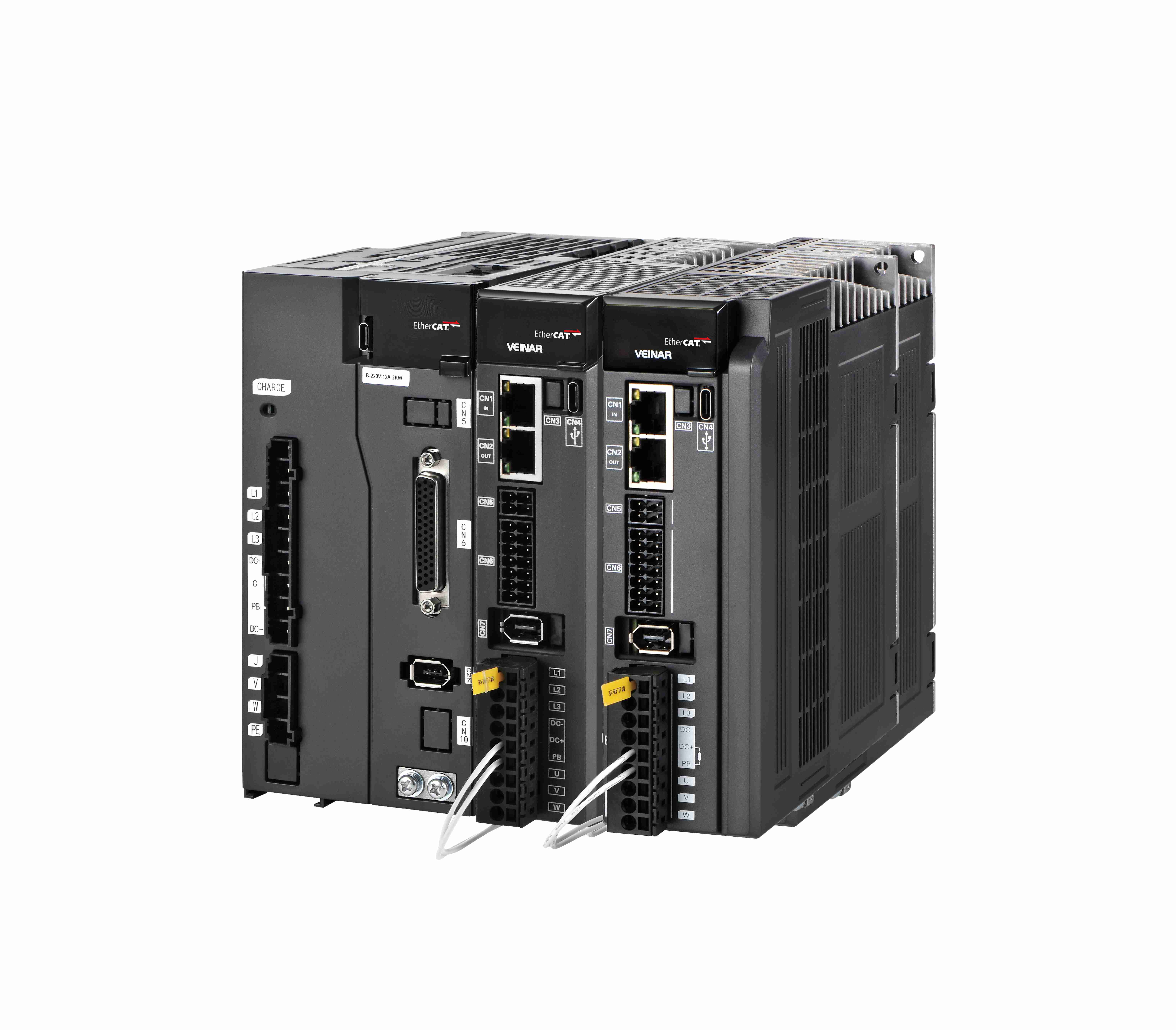
အလိုအလျောက်စနစ်များတွင် linear driver များအတွက် မြင့်မားသောမှုန်းနှုန်း switching သည် EMI ကို အဘယ်ကြောင့် ပိုမိုမြင့်မားစေသနည်း
1 MHz အထက်တွင် ဟာမောနစ်များ ပေါများလာခြင်းနှင့် နီးကပ်သော ကွင်းနှုန်းဖြင့် ချိတ်ဆက်မှု
၁ မီဂါဟတ်ဇ်အထက်တွင် လုပ်ဆောင်နေစဉ် လျှပ်စီးကြောင်း၏ ရုတ်တရက်ပြောင်းလဲမှုများသည် ဖရီကွမ်စီအမျိုးမျိုးကို ဖန်တီးလာပြီး အချိန်အခါအားဖြင့် အမျိုးမျိုးသော ဖရီကွမ်စီအမျိုးအစားများတွင် ပ распространяются။ ထို့နောက် အနီးရှိ စားကပ်များအတွက် အလွန်ပြဿနာဖြစ်လာပါသည်။ အဘယ်ကြောင့်ဆိုသော် ဤလှုပ်ရှားမှုများသည် ပိုမိုများပေါ်သော နီးစပ်မှု (near-field coupling) ကို ဖော်ပေးသောကြောင့်ဖြစ်သည်။ ထို့နောက် လျှပ်စီးသံချိန် (electromagnetic interference) များသည် အနီးရှိ စားကပ်များနှင့် အစိတ်အပိုင်းများသို့ တိုက်ရိုက်ထုတ်လွှင့်ပေးပါသည်။ ထိုသို့သော လျှပ်စီးသံချိန်များသည် ရုပ်ပိုင်းဆိုင်ရာ ထိတ်တွေ့မှုမရှိသော်လည်း ဖြစ်ပေါ်လာပါသည်။ ထို့အပြင် အောက်ပါအတိုင်း အရှိန်အဟုန်များသည် အလွန်ဆိုးရွားလာပါသည်- DigiKey ၏ မကြာသေးသော ရလဒ်များအရ စွဲချက်ဖော်ပေးသည့် အကြိမ်ရောက်မှုကို နှစ်ဆတိုးလျှင် လျှပ်စီးသံချိန်အဆင့်များသည် လေးဆတိုးလာပါသည်။ နောက်ထပ် အရေးကြီးသော စိုးရိမ်မှုတစ်ခုမှာ စားကပ်အစွန်းများသည် နောက်ဆုံးတွင် ဗိုးအို့လ် ၁၀ ခုကို နနိုစက္ကန်ဒ် ၁ ခုအတွင်း မြန်မှုဖြင့် တက်လာသည့်အခါဖြစ်သည်။ ထိုသို့သော မြန်မှုဖြင့် ဖြစ်ပေါ်လာသော အပေါ်ယံသော အိုင်စီ (capacitances) များသည် မျှော်လင်းမှုမရှိသော နေရာများတွင် ဖော်ပေးပါသည်။ ထို့နောက် အရှိန်အဟုန်များသည် အမျှော်လင်းမှုမရှိသော အသံများအဖြစ် ပေါ်ပေါက်လာပြီး စက်မှုလုပ်ငန်းများအတွက် FCC Part 15 စံနှုန်းများကို ချိုးဖောက်ပါသည်။
လက်တွေ့လုပ်ဆောင်မှုတွင် ဖြစ်ပွားသော အကြောင်းအရင်း: PLC ထိန်းချုပ်သည့် မှန်ဖောက်လေးများတွင် ၂.၄ MHz တွင် EMI အကြောင်းအရင်း ဖြစ်ပွားခဲ့ခြင်း
PLC ဖြင့် ထိန်းချုပ်သည့် မတ်ဂွင်း အက်ကျူအေတာများကို ၂.၄ MHz အက frequency ဖြင့် လုပ်ဆောင်စေသည့် လက်တွေ့ကွင်းဆက်စမ်းသပ်မှုတစ်ခုတွင် အင်ဂျင်နီယာများသည် CISPR 32 Class A စံနှုန်းများထက် ဒီဘီ ၁၅ ခန်း ပိုမိုမြင့်မားသည့် EMI အဆင့်များကို သတိပြုမိခဲ့ကြသည်။ ပိုမိုနက်ရှိုင်းစွာ စူးစမ်းကြည့်ရာတွင် ဒရိုင်ဘာခ်စ်များနှင့် အက်ကျူအေတာ ဝိုင်န်ဒင်းများအကြား လျင်မြန်စွာ ပြောင်းလဲနေသည့် လျှပ်စီးကြောင်း (dI/dt) များကြောင့် ဖြစ်ပေါ်လာသည့် မကောင်းမွန်သည့် ဂရှုန်ဒ် လွှဲခြင်းများ (ground loops) များမှ ပြဿနာများ စတင်ခဲ့ကြောင်း တွေ့ရှိခဲ့ကြသည်။ အခြေခံအားဖြင့် ဤအမြင့်မြင့်သော အကFrequency များသည် မှန်ကန်စွာ မကာရှုံးထားသည့် မော်တာ ဝိုင်ယာများမှတစ်ဆင့် ဘုတ်ပေါ်ရှိ ဖီလ်တာများကို လွှဲချော်သွားခဲ့ခြင်းဖြစ်သည်။ ဤအရာမှ သင်ယူရန် အရေးကြီးသည့် အချက်များသည် ၁ MHz ထက် အကFrequency များဖြင့် အလုပ်လုပ်သည့် မည်သည့်သူမဆဲ အတွက်မျှ အရေးပါပါဖြစ်သည်။ အလွန်ရှင်းလေးသည့် အဓိပ္ပာယ်ဖြင့် ပုံမှန်အတိုင်း အသုံးပြုရန် မှန်ကန်သည့် ဒီဇိုင်းများတွင် နည်းလမ်းများစုံကို တစ်ပါတည်း အသုံးပြုရန် လိုအပ်ပါသည်။ ပထမဦးစွာ PCB လေအော်ထော်တာကို သန့်ရှင်းစေပါ၊ ထို့နောက် အစိတ်အပိုင်းအဆင့်တွင် ကောင်းမွန်သည့် ဖီလ်တာများကိုလည်း ထည့်သွင်းပါ။ နည်းလမ်းတစ်ခုတည်းဖြင့် ပြဿနာကို ဖြေရှင်းရန် ကြိုးစားခြင်းသည် နောက်ပိုင်းတွင် စံနှုန်းများနှင့် ကိုက်ညီရန် ကုန်ကျစေသည့် အချိန်နှင့် ငွေကုန်များကို အလွန်အမင်း ဖုန်းစေလေ့ရှိပါသည်။
EMI ကို အရေးကြီးစွာ ထောက်ပံ့ပေးသည့် အချက်များ- အစီအစဥ်၊ အမြောက်အမြား ပြောင်းလဲမှုနှုန်းများနှင့် အစိတ်အပိုင်းများ ရွေးချယ်မှု
EMI ကို အလိုအလျောက်စနစ်များတွင် အသုံးပြုသည့် မျဉ်းဖြောင်းမော်တာများတွင် ထိရောက်မှုရှိသည့် အဓိကအချက် (၃) ခုမှာ အနေအထား၏ ပုံသဏ္ဍာန်၊ ခြောက်လုံးပေါ်မှုအမြန်နှုန်းများနှင့် အစိတ်အပိုင်းများရွေးချယ်မှုတို့ဖြစ်သည်။ အထက်ပါအချက်တို့သည် လျှပ်စစ်သံလိုက် သ совместим်စ် (EMC) ကို တိုက်ရိုက်အကျိုးသက်ရောက်စေပြီး အကောင်းမျှသော အဆင့်မှုမှုများမရှိပါက စံသတ်မှတ်ထားသည့် လုပ်ငန်းလုပ်ဆောင်မှုစံနှုန်းများအရ ထုတ်လွှင့်မှုများသည် ဒီဘီ (dB) ၂၀ မှ ၄၀ အထိ တိုးပေါ်လာနိုင်သည်။
ထုတ်လွှင့်မှု EMI ထိန်းချုပ်ရေးအတွက် လုပ်ကွက်ဧရိယာအနေအထားကို အနည်းဆုံးဖြစ်အောင်လုပ်ခြင်းနှင့် မြေပုံအမြဲတမ်းဖြစ်မှု
ထုတ်လွှင့်သည့် အန္တရာယ်များ၏ ပမိဏားသည် စီးဆင်းသည့် လျှပ်စီးကြောင်း ခြံလုံးများ၏ အရွယ်အစား ကြီးလေလေနှင့် ဖလှယ်မှု အက frequency harmonics များ ပိုမိုထင်ရှားလေလေ တိုးပေါ်လေလေ ဖြစ်ပါသည်။ လျှပ်စီးကြောင်း မှုန်းမှု မူကွဲများ (linear driver circuits) ဖြင့် အလုပ်လုပ်သည့်အခါ ဤအန္တရာယ်ဖော်ပေးသည့် ခြံလုံးများသည် အဓိက အစိတ်အပိုင်းများအကြားတွင် ဖွံ့ဖြိုးလာလေ့ရှိပါသည်။ ဤအစိတ်အပိုင်းများတွင် ပါဝါ MOSFET များနှင့် ဒီကော်ပလ် ကာပါစီတာများ၊ မော်တော်မှုန်းများ၏ အပိုင်းများနှင့် ၎င်းတို့၏ ပြန်လည် ပေးပို့မှု လမ်းကြောင်းများ၊ ဂိတ် မောင်းသည့် IC များနှင့် ၎င်းတို့နှင့် နီးစပ်သည့် ဘူတ်စ်ထရပ် အစိတ်အပိုင်းများ ပါဝင်ပါသည်။ ဤခြံလုံးများ၏ ဧရိယာများကို စီမံခန့်ခွဲနိုင်ရန်အတွက် လေးနက်စွာ သေးငယ်စေရန် အင်ဂျင်နီယာများသည် ဘုတ်ပေါ်တွင် အစိတ်အပိုင်းတစ်ခုချင်းစီကို ဘယ်နေရာတွင် ထားရမည်ကို သေချာစဥ်းစားရန် လိုအပ်ပါသည်။ ထို့အပြင် ပိုမိုကောင်းမွန်သည့် ထိန်းချုပ်မှုအတွက် များသောအားဖြင့် မလ်တီလေယား PCB ဒီဇိုင်းများကို အသုံးပြုကြပါသည်။ အထူးသဖြင့် မြေပြင် ပြန်လည်ပေးပို့မှု မျက်နှာပြင်များ (dedicated ground planes) များကို ဖန်တီးခြင်းဖြင့် စီးဆင်းမှု လမ်းကြောင်းများတွင် လိုအပ်သည့် အချိန်တွင် အနိမ့်အချိန်ပေးပို့မှု ပြန်လည်ပေးပို့မှု လမ်းကြောင်းများကို ဖန်တီးပေးနိုင်ပါသည်။ အထူးသဖြင့် အများအားဖြင့် မြင့်မားသည့် လျှပ်စီးကြောင်းများ အောက်တွင် မြေပြင် ပိုင်းခြားမှုများ (splits) များကို မထားရန် အလွန်အရေးကြီးပါသည်။ အကူးအပေါက်များ ဖြစ်ပေါ်စေနိုင်ပါသည်။ ဤသည်ကို မြေပြင် ပုန်ခေါက်မှု (ground bounce) ဟု ခေါ်ပါသည်။ ၁ MHz ထက် ပိုမိုမြင့်မားသည့် အက frequency များတွင် မြေပြင် ဧရိယာများ၏ အစွန်းများတွင် ဗိုင်ယာ စတီခ်ခ်င်း (via stitching) လုပ်ခြင်းသည် လေးနက်စွာ အရေးပါပါသည်။ ဤနည်းလုပ်ခြင်းဖြင့် ပုံမှန် တစ်ခုတည်းသော အမှုန်းမှု (single point connections) များနှင့် နှိုင်းယှဉ်ပါက အားကောင်းမှုကို အနည်းဆုံး တစ်ဝက်ထက် ပိုမိုလျော့နည်းစေနိုင်ပါသည်။
လျှပ်စစ်မော်တာ လိုင်နီယာ ဒရိုင်ဘာ တည်ဆောက်ပုံများတွင် အမြန်ချိတ်ဆက်မှု အများပိုင်း သို့မဟုတ် အဖြစ်မှု လျှပ်စီးကြောင်းများ (dI/dt-induced common-mode currents)
စွဲလမ်းမှုဖြစ်ပေါ်စေသည့် ပုံစံများ (parasitic capacitances) မှတဆင့် အပေါ်ယံအများအားဖြင့် အများအားဖြင့် ထုတ်လွှင့်ခြင်းနှင့် ပေါင်းစပ်မှုများ (common-mode noise) ကို ဖြစ်ပေါ်စေသည်။ အထူးသဖြင့် ဒရိန်း-ဆိုးစ် နုတ်သည့် အများအားဖြင့် ထုတ်လွှင့်ခြင်းနှင့် ပေါင်းစပ်မှုများ (drain-source nodes)၊ ထရာန်စ်ဖော်မာ ဝိုင်န်ဒင်းများ (transformer windings) နှင့် အပူစုပ်ထုတ်စက်များ (heatsink interfaces) တွင် ဖြစ်ပေါ်သည်။ အပေါ်ယံအများအားဖြင့် ထုတ်လွှင့်ခြင်းနှင့် ပေါင်းစပ်မှုများ (transition speed) မြင့်တက်လာသည့်အတွက် အသံအတိမ်အနက် (noise amplitude) နှင့် ပေါင်းစပ်မှု ထိရောက်မှု (coupling efficiency) တို့သည်လည်း မြင့်တက်လာသည်။
| ပြောင်းလဲမှုအမြန်နှုန်း | အသံညစ်မှု အရှိန် (Vpk) | ချိတ်ဆက်မှု လမ်းကြောင်း |
|---|---|---|
| 10 A/ns (နှေးသည်) | 0.5 | MOSFET ဒရိန်းမှ အပူစုပ်ထုတ်မှု မျက်နှာပြင်သို့ |
| 100 A/ns (မြန်သည်) | 3.2 | ထရာန်စ်ဖော်မာ ဝိုင်န်ဒင်းမှ ကိုယ်ထည်သို့ |
ဤအသံညစ်မှုများသည် ခြေထောက် ချိတ်ဆက်မှုများနှင့် ကြိုးများမှတစ်ဆင့် ပျံ့နှံ့သည်။ ထိရောက်သော အသံညစ်မှု လျှော့ချမှုများတွင် ဂိတ် ပေါ်တွင် အချိန်ကြာမှု ထိန်းညှိမှု (gate resistors) ဖြင့် အစွန်းနှုန်း ထိန်းညှိခြင်းနှင့် 2 MHz အထက်တွင် 25 dB အထက် လျှော့ချမှုကို ပေးနိုင်သော အများပိုင်း မော်ဒူလ် ချိတ်ဆက်မှုများ (common-mode chokes) ပါဝင်သည်။ အကာအကွယ်ပေးထားသော တွေ့ဆုံမှု ကြိုးများ (shielded twisted-pair motor wiring) သည် အကာအကွယ်များ မပါသော ကြိုးများနှင့် နှိုင်းယှဉ်ပါက လျှပ်စစ်သံသော ချိတ်ဆက်မှုကို 18 dB အနည်းဆုံး လျှော့ချပေးနိုင်သည်။
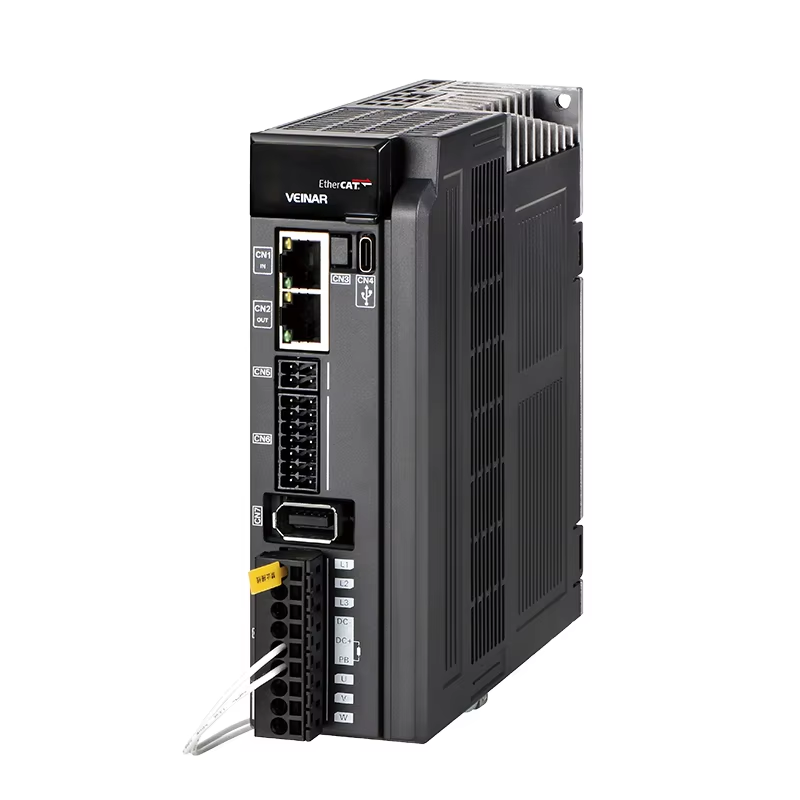
အလိုအလျောက် စနစ်များအတွက် လိုင်နီယာ ဒရိုင်ဘာများအတွက် အတည်ပြုထားသော အသံညစ်မှု လျှော့ချမှု နည်းလမ်းများ
PCB အဆင့် နည်းပညာများ: Optimized stackup, guard traces နှင့် CM/DM noise ခွဲခြားခြင်း
PCB တွေကို ဒီဇိုင်းထုတ်တဲ့အခါမှာ သင့်တော်တဲ့ မြေပြင်မျက်နှာပြင်တွေနဲ့ အလွှာစုံ အပုံလိုက်တွေကို အသုံးပြုခြင်းက loop area တွေကို ၆၀% ခန့် လျှော့ချနိုင်ပါတယ်။ IEEE EMC Society ရဲ့ သုတေသနအရ ဒီမြန်တဲ့ အချက်ပြလိုင်းတွေဘေးမှာ ကာကွယ်ရေး ခြေရာတွေ ထည့်တာက ကြားဖြတ်အသံ ပြဿနာတွေကို ၂၀၂၃ မှာ ၄၀ dB ခန့် လျှော့ချဖို့ ကူညီပေးတယ်။ 1 MHz အထက် ကြိမ်နှုန်းတွေအတွက် CM နဲ့ DM ဆူညံသံလမ်းကြောင်းတွေကို ခွဲခြားဖို့ တကယ်အရေးကြီးလာပါတယ်။ အကြောင်းက ဟားမုန်းတွေက ပုံမှန်အားဖြင့် ခြားနားတဲ့ ဆူညံသံရင်းမြစ်တွေလို့ ကျွန်တော်တို့ ယူဆတာကို စရှုပ်ထွေးစေလို့ပါ။ input/output point တွေမှာ ferrite beads တွေဟာ မဟာဗျူဟာကျကျ နေရာချထားတဲ့ bulk capacitors တွေနဲ့ ပိုသေးတဲ့ high frequency တွေနဲ့ ပေါင်းစပ်တဲ့အခါ အလုပ်ကောင်းပါတယ်။ ဒီအပိုင်းတွေ ပေါင်းလိုက်ရင် ထုတ်လုပ်သူတွေက ရှောင်ရှားဖို့ ကြိုးစားတဲ့ စိတ်တိုစရာ အသံထွက်ထိပ်တွေကို ထိန်းချုပ်ဖို့ ကူညီပေးတယ်။ အကြောင်းက EMI ပြဿနာတွေဟာ လက်တွေ့ကမ္ဘာမှာ ဘယ်လောက် စျေးကြီးနိုင်တယ်ဆိုတာ သိလို့ပါ။ လေ့လာမှုအချို့က အဆိုပြုတာက ဒီပြဿနာတွေဟာ ကုမ္ပဏီတွေကို လုပ်ငန်းအမျိုးမျိုးမှာ ပျမ်းမျှ ဒေါ်လာ ၇၄၀၀၀၀ လောက် ကုန်ကျစေတာပါ။
အစိတ်အပိုင်းအဆင့် ဆန်းသစ်မှု - လိုင်နီယာ ဒရိုင်ဘာ IC များတွင် ပေါင်းစပ်ထည့်သွင်းထားသော အလုပ်မလုပ်သော ဖီလ်တာများနှင့် အတွင်းပါ ဖဲရိုက်များ
နောက်ဆုံး မျိုးဆက် linear driver IC တွေဟာ အခု ပုံးထဲမှာပဲ ထည့်သွင်းထားတဲ့ စစ်ဆေးရေးကိရိယာတွေနဲ့ nanocrystalline ferrites တွေနဲ့ လာပါတယ်။ ဒီဒီဇိုင်းပြောင်းလဲမှုက အစဉ်အလာ သီးခြားအပိုင်းများ ချဉ်းကပ်မှုနဲ့ယှဉ်ရင် အစိတ်အပိုင်းတွေကို စစ်ထုတ်ဖို့ လိုအပ်တဲ့ နေရာကို ၈၀% ခန့် လျှော့ချပေးပါတယ်။ ဆိုလိုတာက ချစ် (ပ်) အပြင်ဘက်က ကြိုးတွေအားလုံးကနေ လာတဲ့ ဒီစိတ်တိုစရာ ကပ်ပါးတဲ့ အဝင်အထွက်တွေနဲ့ ဆက်ဆံဖို့ မလိုတော့ဘူး။ ဒါက တကယ်က မြန်မြန်ဆန်ဆန် အရှိန်အပြောင်းအလဲ (dI / dt) ကြောင့် ဖြစ်တဲ့ စိတ်တိုစရာ voltage spikes တွေနောက်က အဓိက အပြစ်ရှိသူတစ်ခုပါ။ ထုတ်လုပ်သူတွေက မြင်နေရတဲ့ အချက်အရ ဒီချစ် (ပ်) အသစ်တွေဟာ လျှပ်စစ်သံလိုက်အနှောက်အယှက်ကို ၂.၄ မဟာဇက် (ခ်) ဂ် (ခ်) နှုန်းမှာ အလုပ်လုပ်တဲ့အခါမှာ ဒစ်ဂျစ်တယ် ၃၀ အထိ လျှော့ချပေးနိုင်ပါတယ်၊ ဉာဏ်ကောင်းတဲ့ အကာခံနည်းပညာတွေကြောင့်ပါ။ ရလဒ်က ဘာလဲ။ PLC ထိန်းချုပ်တဲ့ actuators တွေဟာ ပြင်ပ စစ်ထုတ်ရေး အစိတ်အပိုင်းတွေ မလိုဘဲ CISPR 11 Class A စံတွေကို အလွယ်တကူ ကျော်လွှားနိုင်ပါတယ်။ ပြင်းထန်တဲ့ ပတ်ဝန်းကျင်တွေအကြောင်း ပြောနေတုန်းမှာ အပူထိန်းချုပ်မှုကို ဂရုတစိုက် ဒီဇိုင်းထုတ်ထားပြီး ဒီကိရိယာတွေဟာ အပူချိန် ၁၀၅ ဒီဂရီ ဆဲလ်စီယပ်လောက် ရောက်တဲ့အခါတောင် ယုံကြည်စိတ်ချရစွာ အလုပ်လုပ်နိုင်အောင်ပါ။ ဒါက မော်တာ ထိန်းချုပ်ရေး အခန်းတွေ နေထိုင်တဲ့ ကျဉ်းမြောင်းတဲ့ နေရာတွေ
အကြောင်းအရာများ
- အလိုအလျောက်စနစ်များတွင် linear driver များအတွက် မြင့်မားသောမှုန်းနှုန်း switching သည် EMI ကို အဘယ်ကြောင့် ပိုမိုမြင့်မားစေသနည်း
- EMI ကို အရေးကြီးစွာ ထောက်ပံ့ပေးသည့် အချက်များ- အစီအစဥ်၊ အမြောက်အမြား ပြောင်းလဲမှုနှုန်းများနှင့် အစိတ်အပိုင်းများ ရွေးချယ်မှု
- အလိုအလျောက် စနစ်များအတွက် လိုင်နီယာ ဒရိုင်ဘာများအတွက် အတည်ပြုထားသော အသံညစ်မှု လျှော့ချမှု နည်းလမ်းများ