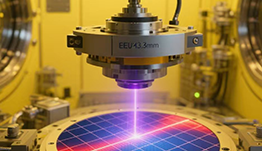
Electronic component encapsulation is a critical link in semiconductor manufacturing, where precision, synchronization, and reliability directly determine product quality and production efficiency. As electronic devices become smaller, more complex, and higher-performance, the demands on encapsulation equipment have reached unprecedented levels—micron-level accuracy, fast response, and stable operation are no longer optional but mandatory. In this context, the analog profinet servo type has emerged as a core driver of technological advancement, integrating PROFINET’s high-speed communication capabilities with servo systems’ precise control, fundamentally transforming how encapsulation processes operate. Let’s explore how this advanced technology enhances yield rates and optimizes production workflows.
Micron-Level Precision: The Foundation of High-Quality Encapsulation
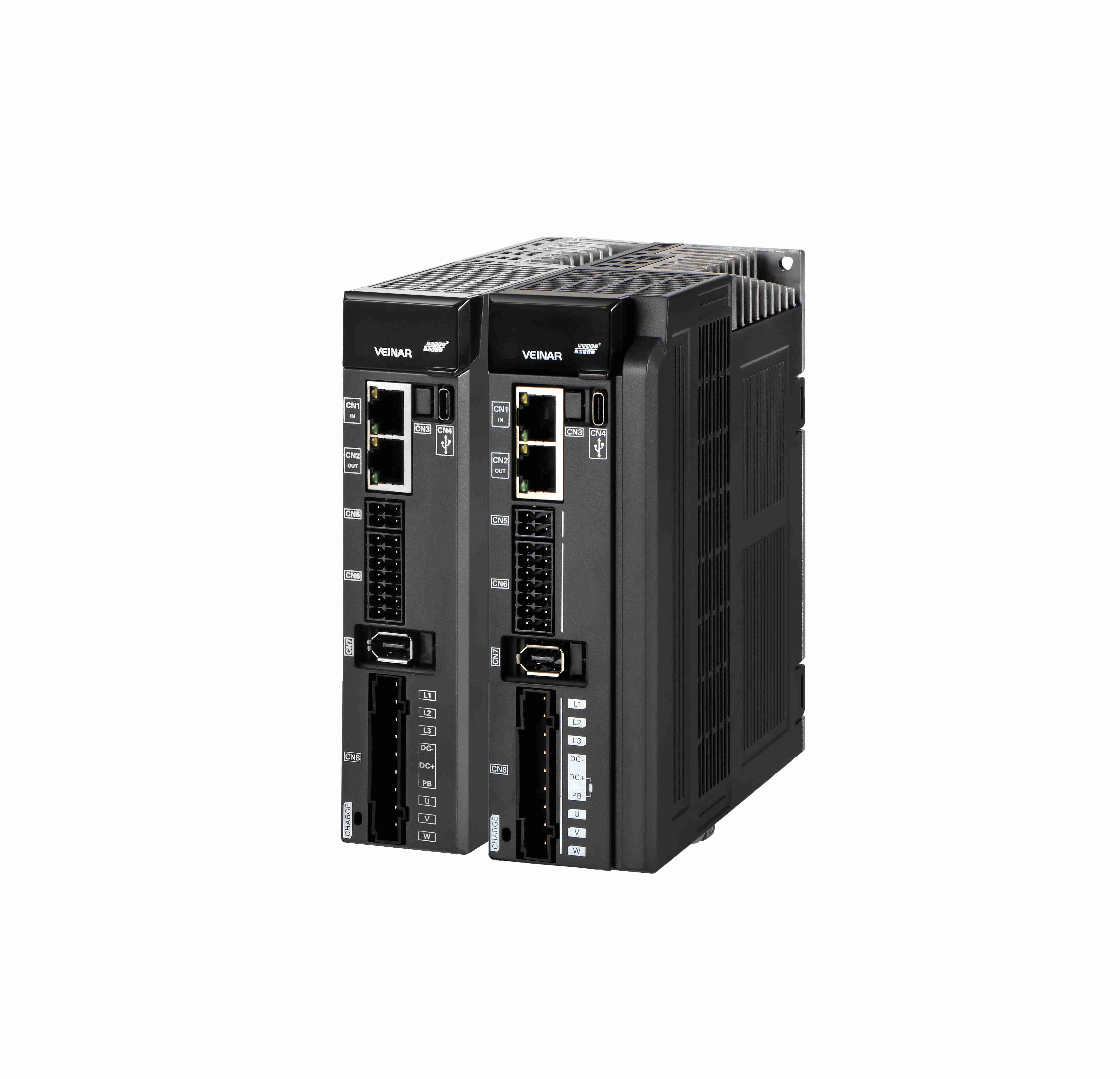
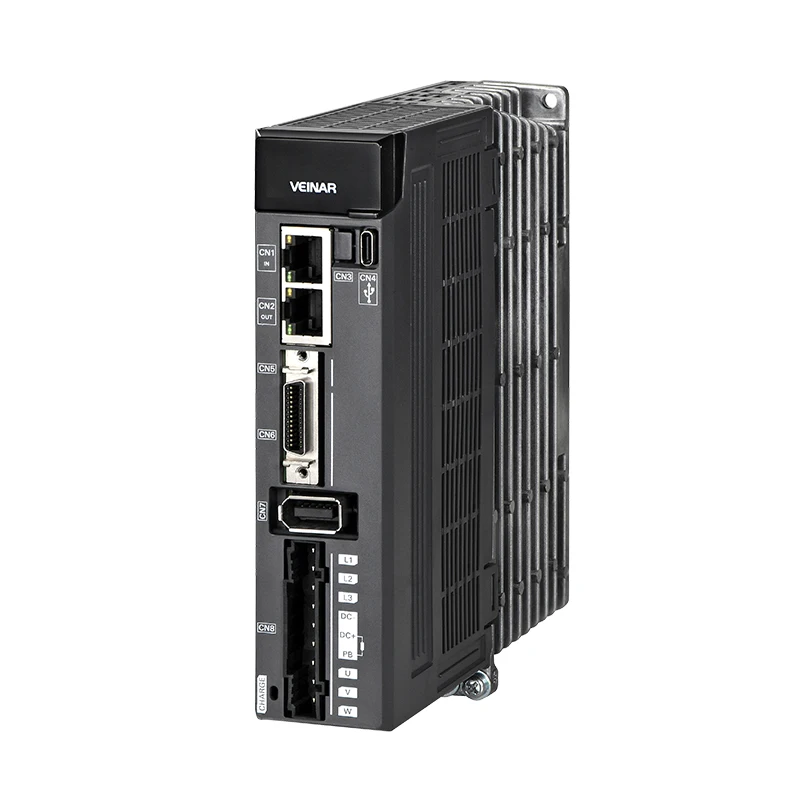
At the heart of successful electronic component encapsulation lies ultra-precise control, and the analog profinet servo type delivers exactly that with micron-level precision. Unlike traditional servo systems that struggle with lag or inconsistency, this servo type leverages PROFINET’s high-speed communication protocol to achieve unparalleled accuracy in critical processes like chip bonding. In encapsulation equipment, PROFINET servo drives—powered by the analog profinet servo type—ensure that every movement is calibrated to the smallest detail, meeting the stringent requirements of modern component manufacturing.
A key technical highlight is the 250μs cycle time, which enables seamless multi-station synchronization. In encapsulation lines with multiple working stations, this rapid cycle ensures that each step—from material feeding to bonding and sealing—operates in perfect harmony. The result is chip bonding accuracy of ±1μm, a level of precision that eliminates errors caused by misalignment or timing discrepancies. For tiny electronic components where even the smallest deviation can render products defective, this level of control is non-negotiable. The analog profinet servo type’s ability to maintain consistent precision across long production runs ensures that every component meets quality standards, laying the groundwork for higher yield rates.
Synchronization and Reliability: Minimizing Downtime and Errors
Production efficiency in encapsulation relies not just on precision but also on consistent synchronization and minimal downtime—and the analog profinet servo type excels in both areas. One of its most valuable features is the integration of battery-free absolute encoders. Unlike traditional encoders that require batteries to retain position data, these battery-free models store information without external power, preventing data loss even during unexpected shutdowns or reboots. This eliminates the need for time-consuming homing procedures when restarting equipment, a process that used to delay production and disrupt workflow.
By skipping homing, the analog profinet servo type significantly boosts equipment utilization. Production lines can resume operations immediately after a reboot, reducing idle time and ensuring that every minute of production is used effectively. The multi-station synchronization enabled by the 250μs cycle further enhances reliability by eliminating bottlenecks between stations. In complex encapsulation processes where multiple steps must align perfectly, this synchronization prevents errors like misbonded chips or uneven encapsulation, directly reducing defect rates. For manufacturers, this means fewer wasted materials, less rework, and a more streamlined production line—all key factors in driving up yield rates.
Vision System Integration: Real-Time Defect Correction
In modern manufacturing, proactive quality control is far more effective than post-production inspection, and the analog profinet servo type integrates seamlessly with vision systems to enable real-time defect correction. This synergy between servo control and visual inspection creates a closed-loop system that identifies and addresses issues as they occur, rather than after products are completed. In encapsulation equipment, this integration allows the system to scan each component during the process, detecting tiny defects like uneven bonding, incomplete encapsulation, or misalignment.
Once a defect is identified, the analog profinet servo type responds instantly, adjusting parameters to correct the issue in real time. This dynamic correction capability ensures that defects are fixed before they affect the final product, drastically reducing the number of faulty components. The impact on yield rates is substantial: with this real-time quality control, yields can be raised to an impressive 99.8%. For high-volume semiconductor manufacturing, where even a 0.1% increase in yield translates to significant cost savings and higher output, this feature is a game-changer. It not only improves product quality but also reduces the need for manual inspection and rework, further optimizing production efficiency.
Modular Design: Lower Maintenance Costs and Higher Availability
Beyond precision and control, the analog profinet servo type’s modular design addresses a critical pain point in manufacturing: maintenance downtime. In traditional encapsulation equipment, replacing a faulty drive could take hours, disrupting production and causing costly delays. However, the modular design of PROFINET servo drives slashes drive replacement time to just 15 minutes. This streamlined maintenance process means that when a component needs to be replaced, the line can be back up and running in a fraction of the time, minimizing production losses.
For semiconductor packaging facilities, where equipment runs around the clock, this reduction in maintenance time directly translates to higher availability and lower operational costs. The modular approach also simplifies inventory management, as spare parts are standardized and easy to store. Additionally, the durability and reliability of the analog profinet servo type reduce the frequency of breakdowns in the first place, further cutting maintenance expenses. By minimizing downtime and lowering costs, manufacturers can allocate resources more efficiently, focusing on scaling production and improving quality rather than dealing with equipment issues. This enhanced operational efficiency is yet another factor that contributes to sustained high yield rates.

 EN
EN
 Hot News