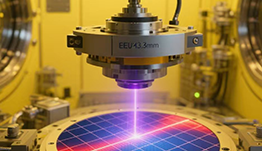
Linear Motors Supporting Bio- Printing: A Core Pillar for Cleanliness and Precision
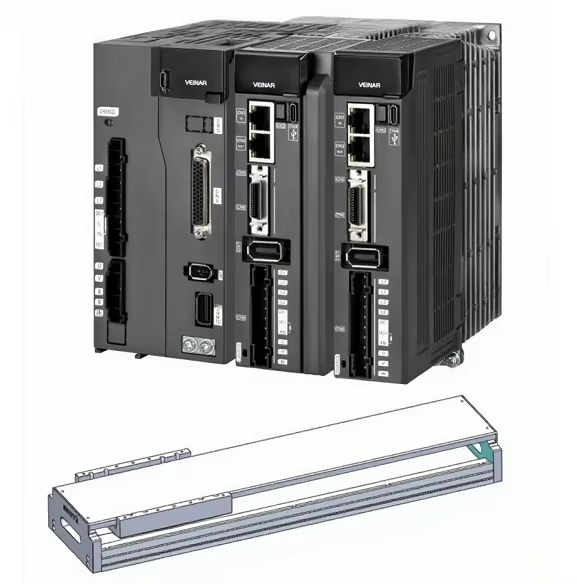
Overview of Bio-3D Printing and Drive System Requirements
The Revolutionary Significance of Bio-3D Printing
Bio-3D printing, as a frontier technology integrating biomedicine, material science and digital manufacturing, has opened up new possibilities for personalized medicine, tissue engineering and drug development. Unlike traditional 3D printing, it uses bio-inks composed of living cells, biomacromolecules and growth factors as raw materials to construct biological structures that can simulate the morphology and function of natural tissues and organs. From the fabrication of skin tissue for burn treatment to the development of organ models for drug screening, bio-3D printing is gradually changing the pattern of the medical and biological industries. However, this advanced technology puts forward extremely strict requirements on the core drive system of the equipment, especially in terms of cleanliness and precision control.
Core Demands for Drive Systems in Bio-3D Printing
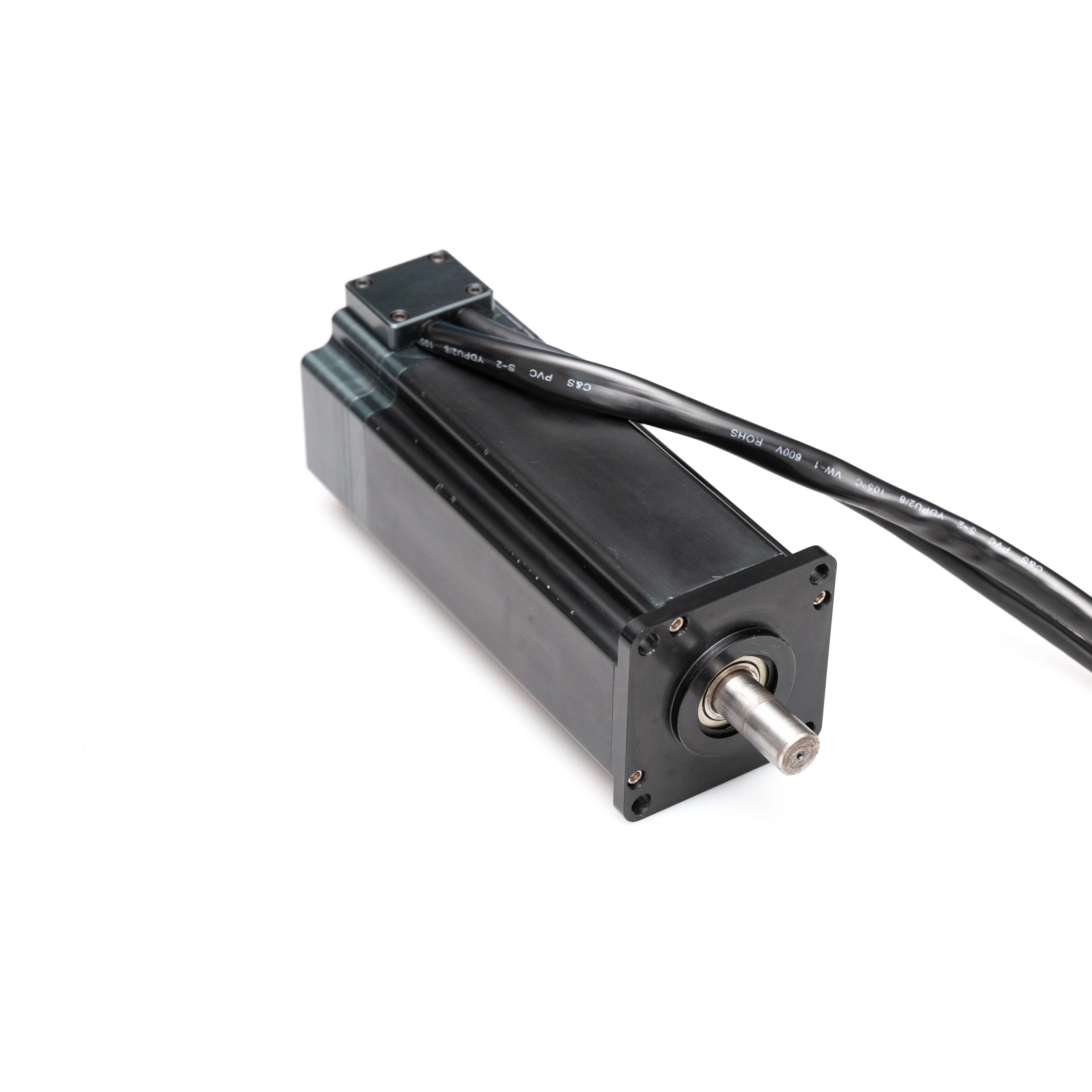
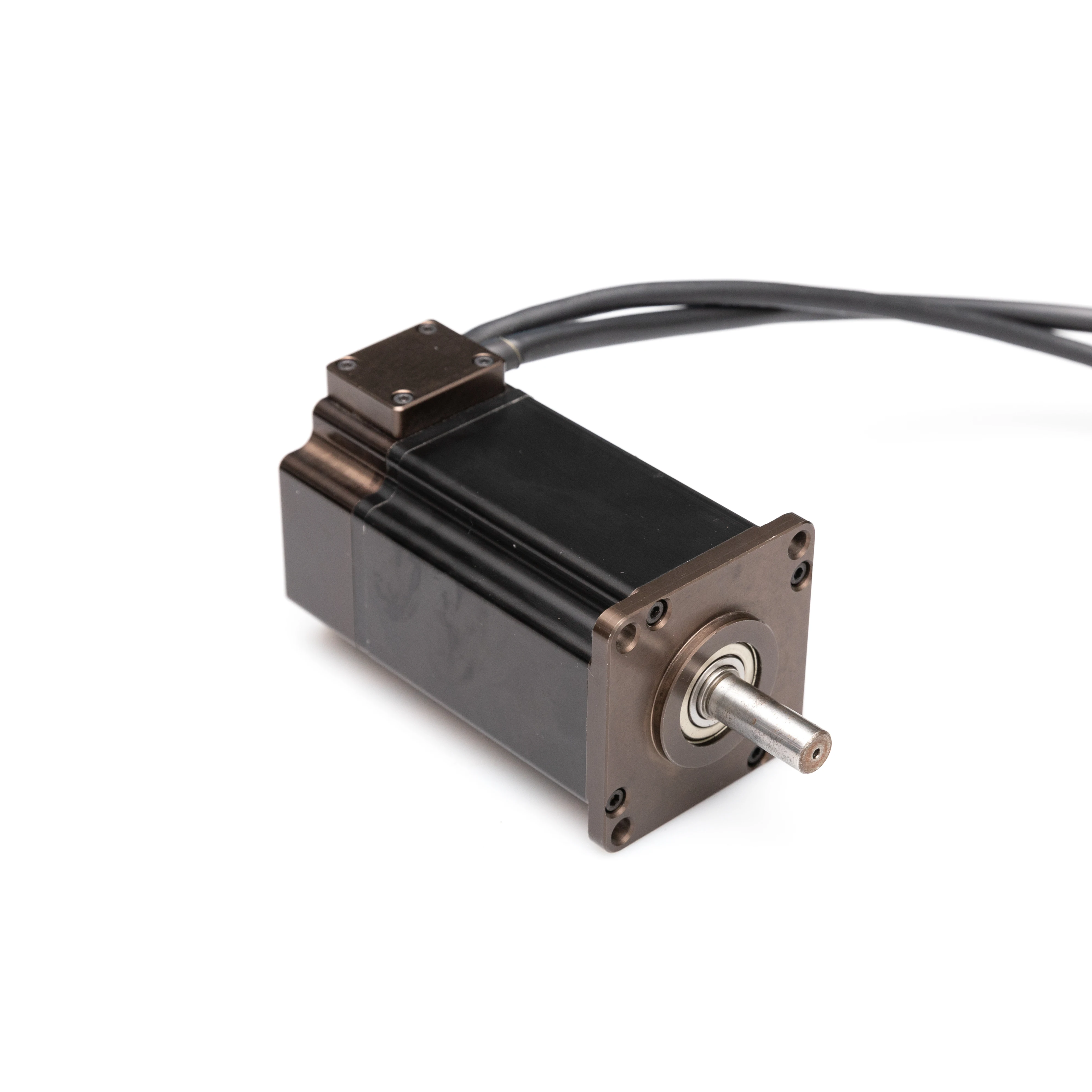
The uniqueness of bio-3D printing lies in the "liveness" of the printing materials and the "complexity" of the structural requirements. On one hand, living cells in bio-inks are extremely sensitive to the environment, and even tiny contaminants can lead to cell death or functional degradation; on the other hand, the accurate deposition of bio-inks at the micro-nano scale directly determines the structural accuracy and biological functionality of the printed products. These demands make the selection of drive systems a key link restricting the development of bio-3D printing technology. Among various drive solutions, linear motors have emerged due to their unique performance advantages, andlinear motion drivesbased on linear motor technology have become the core support for high-end bio-3D printing equipment.
Why Linear Motors Are the Ideal Choice for Bio-3D Printing
The extreme requirements of bio-3D printing for cleanliness and micro-operation make linear motors an ideal drive solution. Their non-contact transmission feature fundamentally eliminates the contamination risk from lubricant leakage in traditional transmission systems, meeting the clean environment needs of cell printing and tissue engineering scaffold fabrication. When equipped with high-precision detection components, linear motors can achieve nanoscale micro-step motion, accurately controlling the deposition position and dosage of bio-ink to ensure uniform cell arrangement. The advantages of low noise and long lifespan enable 24/7 stable equipment operation, providing reliable power support for repetitive experiments and batch preparation in bio-3D printing.
Core Performance Characteristics of Linear Motors for Bio-3D Printing
Non-Contact Transmission: The Foundation of Clean Printing
Traditional mechanical drive systems such as ball screws rely on contact transmission, which requires regular lubrication to reduce wear. However, in bio-3D printing scenarios, lubricating oil leakage is a fatal hidden danger—it will contaminate bio-inks, cause cell necrosis, and make the printed tissue scaffolds lose their biological activity. Linear motors adopt a non-contact electromagnetic drive mode, where the mover and stator do not have direct physical contact during operation, thus completely eliminating the need for lubrication. This structural advantage fundamentally cuts off the pollution source, creates a clean and sterile operation environment for bio-3D printing, and provides a strong guarantee for the survival rate of cells in the printing process.
Nanoscale Precision: Guarantee of Structural Accuracy
The minimum unit of bio-3D printing is often at the cellular level, which requires the drive system to have extremely high motion control precision. Linear motors can achieve nanoscale micro-step motion by matching high-resolution encoders and advanced servo control algorithms. This precision means that the nozzle of the bio-3D printer can be accurately positioned at the preset coordinate point, and the extrusion volume of bio-ink can be controlled in the micro-liter or even nano-liter level. For example, in the fabrication of vascular tissue scaffolds, linear motors can drive the nozzle to deposit bio-inks layer by layer according to the complex bionic structure, ensuring that the pore size and distribution of the scaffold are consistent with the natural blood vessels, laying the foundation for the subsequent integration of the scaffold with the host tissue.
Stable Operation: Support for Long-Term Experiments
Bio-3D printing experiments, especially the fabrication of large tissue scaffolds or batch drug screening models, often require continuous operation for tens of hours or even days. This puts forward high requirements on the stability and lifespan of the drive system. Linear motors have no mechanical wear during operation, which greatly reduces the failure rate of the equipment. At the same time, their optimized electromagnetic design reduces vibration and noise during operation—the operating noise is usually lower than 50 decibels, which not only creates a quiet laboratory environment but also avoids the impact of vibration on the deposition of bio-inks. In addition, the long lifespan of linear motors (the service life can reach more than 10,000 hours under normal working conditions) ensures the continuity of long-term experiments and reduces the maintenance cost of the equipment.
Flexible Adaptability: Matching Diverse Printing Needs
Different bio-3D printing technologies (such as extrusion-based, photo-curing-based, and inkjet-based) and different printing materials have different requirements for the drive system. Linear motors have a variety of models and specifications, and can be customized according to the specific needs of the equipment. For example, for small desktop bio-3D printers used in laboratories, compact linear motors with small volume and light weight can be selected; for industrial-grade large-scale bio-3D printing equipment, high-thrust linear motors can be configured to meet the needs of high-speed and large-load motion. In addition, linear motors support multi-axis synchronous control, which can realize the coordinated motion of X, Y, Z axes and even rotating axes, providing flexible drive support for the fabrication of complex three-dimensional biological structures.
Application Cases of Linear Motors in Bio-3D Printing
Application in Cell Printing
Cell printing is one of the most challenging directions in bio-3D printing, which requires the drive system to ensure both high precision and cell viability. A biotech company used linear motors as the core drive component of its cell printer. The non-contact transmission feature of the linear motors prevented lubricant contamination, increasing the cell survival rate after printing from 65% to 92%. At the same time, with nanoscale precision control, the printer can accurately print different types of cells (such as endothelial cells and smooth muscle cells) to the preset positions, successfully fabricating a multi-cell layered structure similar to the intestinal mucosa.
Application in Tissue Engineering Scaffold Fabrication
Tissue engineering scaffolds need to have a specific porous structure to facilitate cell infiltration and nutrient exchange. A university's bio-manufacturing laboratory applied linear motors to the extrusion-based 3D printer for scaffold fabrication. The linear motors drove the nozzle to move at a constant speed, and the error of the scaffold's pore size was controlled within ±5 μm. In the experiment of bone tissue scaffold fabrication, the printed scaffold had a pore size of 200-300 μm, which was consistent with the natural bone trabecular structure. After 4 weeks of cell culture, the cell infiltration rate reached 85%, significantly higher than the 60% of the scaffold fabricated by the traditional drive system.
Application in Drug Screening Model Printing
In drug screening, 3D-printed organ models (such as liver models and kidney models) can better simulate the in vivo environment than traditional 2D cell culture. A pharmaceutical company used linear motor-driven 3D printers to print liver organoids. The stable long-term operation capability of the linear motors allowed the printer to complete 24 sets of liver model printing continuously within 72 hours. The uniformity of the model's cell distribution was improved by 40% compared with the traditional method, and the accuracy of drug toxicity testing using these models was increased by 35%, effectively reducing the cost of preclinical drug development.
Future Development Trend of Linear Motors in Bio-3D Printing
With the continuous development of bio-3D printing technology towards higher precision, larger scale and more complex structures, linear motors will also usher in technological upgrades in three aspects. First, the integration of AI control technology—by combining linear motors with artificial intelligence algorithms, real-time monitoring and adjustment of motion parameters can be realized, adapting to the dynamic changes of bio-inks during printing. Second, the development of miniaturized and high-thrust products—meeting the needs of micro-tissue printing and large organ printing at the same time. Third, the improvement of environmental adaptability—developing linear motors suitable for special environments such as high humidity and sterile isolation, further expanding their application scope in bio-3D printing.

 EN
EN
 Hot News