
 EN
EN

Faster Integration: Wiring Efficiency and I/O Consolidation
Daisy-Chain Topology Reduces Cable Runs, Cabinet Space, and Installation Time
When it comes to multi-axis servo systems, the daisy-chain setup of EtherCAT makes those complicated star wiring arrangements obsolete. The way devices link up one after another really cuts down on cables needed. We're talking about around 70% less cabling compared to traditional point-to-point setups. What does this mean practically? Control cabinets get smaller too, shrinking by about 40%. And installers spend half the time they used to on putting everything together. Techs who work in the field can check all the connections much faster now. Instead of spending hours going through hundreds of termination points, they just need to look at maybe a dozen or so spots on each machine. Makes life on site a lot easier for everyone involved.
Unified Power and Data Bus with DXM/DXI Modules Enables Scalable I/O Sharing
The DXM/DXI modules bring together power distribution and EtherCAT communication all on one main line. What does this mean? Well, the system now supports those handy hot-swappable I/O blocks which makes scaling out analog and digital channels much easier without having to rip out old wiring. Instead of running multiple cables through different conduits for signals plus 24V or 48V power, everything goes through just one cable loop. This change alone can slash material expenses by around 30%, while making it simple to expand machines as needed. Plus there's something else worth mentioning: when using these centralized setup tools, they automatically pick up any new axes that get added. No more tedious manual address settings that lead to mistakes during retrofit projects. Just plug in and go.
Faster Real-Time Performance: Sub-Millisecond Jitter and 10 kHz Synchronization
EtherCAT Frame Synchronization Eliminates Cumulative Latency in Multi-axis Servo Systems
Old school servo systems run into serious problems when trying to handle multiple axes at once. Every new axis added just makes those pesky timing errors worse because they have to process things one after another. That's where EtherCAT comes in handy. Instead of sending separate commands for each axis, EtherCAT packs everything into one big data package that travels through the whole network together. As this data frame moves past each device on the line, they actually start working on their part right away without waiting for anything else first. No need for extra buffers sitting around collecting dust either. What does this mean? Super precise timing down to fractions of a microsecond. We're talking about alignment accuracy within plus or minus 0.12 microseconds across all axes. Why does this matter so much? Well, think about fast moving production lines where even tiny delays can throw off entire operations. Packaging machines especially need every actuator to respond exactly at the same moment to keep products properly sealed and positioned without defects.
| Synchronization Method | Jitter (µs) | Latency Accumulation |
|---|---|---|
| Traditional Sequential | ±0.89 | Additive per axis |
| EtherCAT Frame | ±0.12 | None |
Benchmark: ±0.12 µs Jitter in Multi-axis vs. ±0.89 µs in Single-axis at 10 kHz Update Rate
When running at 10 kHz update rates, multi-axis EtherCAT setups hit around ±0.12 µs jitter, which is about seven times better than what we see in single-axis systems that typically show ±0.89 µs jitter because of those pesky processing bottlenecks. The reason behind this improved performance? Distributed clock tech does most of the heavy lifting here. It basically lines up every axis with a central master clock so everything stays in sync. This tighter synchronization makes all the difference when dealing with complex motion paths. Robotic arms can follow their programmed routes with incredible precision down to the micron level even during fast movements. And this matters a lot in industries like aerospace where even tiny timing errors mean expensive mistakes on the production line.
Faster Motion Coordination: Precision Interpolation for CNC, Robotics, and Camming
On-the-Fly S-Curve Interpolation Across Axes with Sub-Microsecond Sync Accuracy
S-curve interpolation algorithms run in real time on all machine axes, constantly working out smooth acceleration and deceleration patterns that cut down on mechanical jerk and vibration when making quick direction changes. Thanks to EtherCAT's amazing sub-microsecond sync capabilities, modern systems can follow complex toolpaths in CNC machining much better than older methods. This approach cuts trajectory errors by around 30% compared to simple linear interpolation techniques. Even at top speeds, machines maintain nanometer level precision adjustments which matters a lot for those coordinated multi-joint robotic setups. For camming operations specifically, the system keeps perfect phase alignment between master and slave axes no matter what speed variations occur. Actual shop floor tests show these systems hitting contouring accuracy within ±3 microns on five axis machines, while also cutting down surface finish problems by about 40% during high speed milling operations.
Faster Troubleshooting and Lifecycle Management
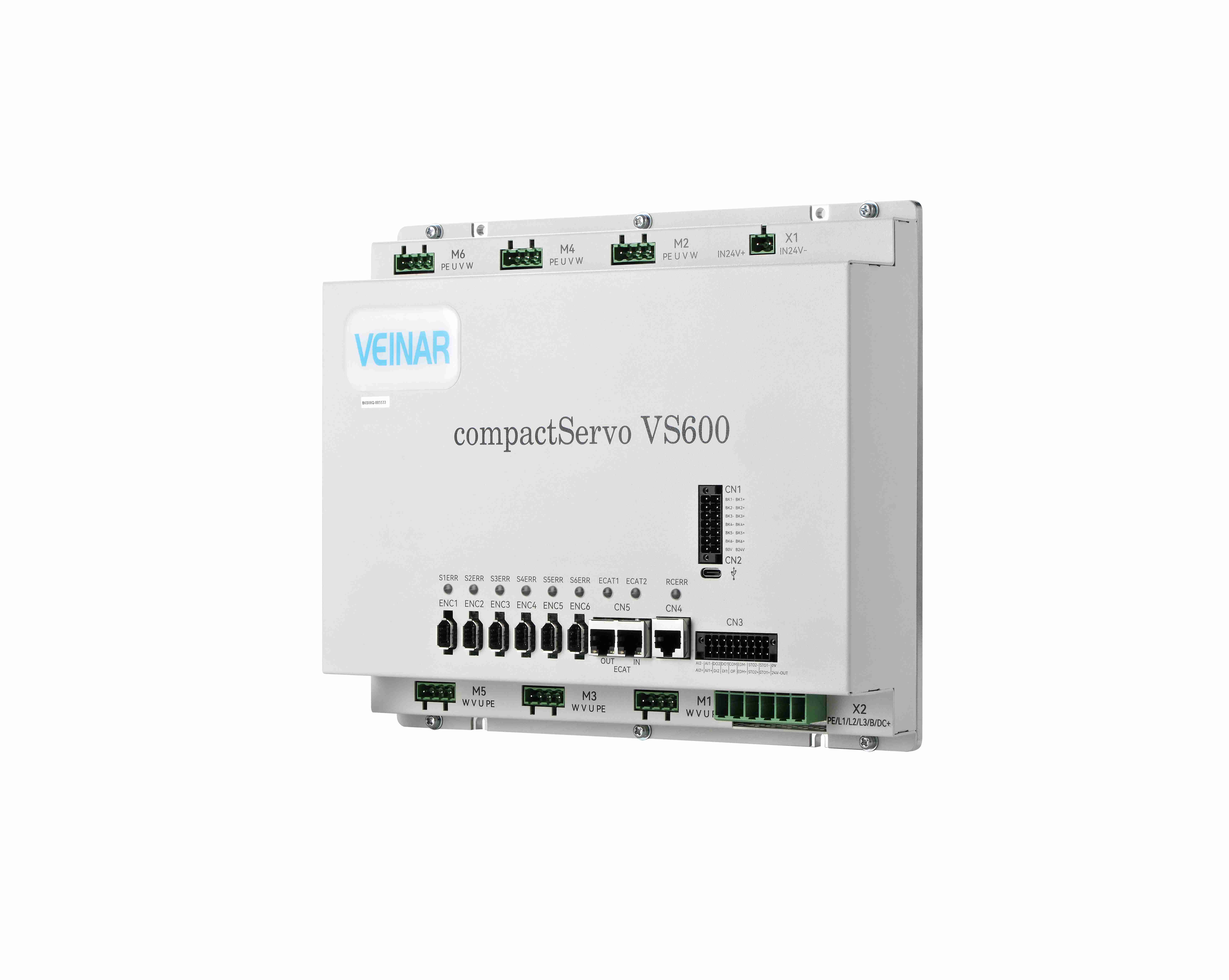
Single-Point Firmware Updates and Unified Diagnostics Across All Axes
When it comes to maintaining multi-axis servo systems, centralized management has completely changed the game. Instead of updating each drive separately, engineers can now push firmware upgrades to all axes at once through a single control panel. This approach cuts down on update times significantly compared to old methods where technicians had to handle each drive individually, plus it eliminates those frustrating version mismatches between different components. The system also features comprehensive diagnostic dashboards that pull together live data such as temperatures, vibrations levels, and error records from every axis in the setup. Imagine getting an alert about worn bearings specifically on Axis 3; this allows maintenance teams to address issues right away without stopping the entire production line, which typically saves around half the usual downtime. Looking at things from a broader perspective, these visualizations help track how parts age over time and when performance starts slipping. By spotting problems early, companies can replace components before they fail completely, cutting troubleshooting efforts by roughly a third and making their equipment last much longer thanks to this kind of forward-thinking maintenance strategy.