Introduction
The Critical Role of Tension Control in High-Speed Packaging
High-speed packaging lines are the backbone of the food manufacturing industry, where efficiency, precision, and stability directly impact product quality and production costs. Among all key processes, tension control of packaging film is 尤为 critical—uneven tension can cause film stretching, tearing, or misalignment, leading to defective packages, material waste, and line downtime. Traditional packaging lines rely on mechanical cams and analog control systems, which struggle with accuracy drift due to wear, slow response to tension changes, and limited synchronization between multiple axes. As food manufacturers pursue higher line speeds and stricter packaging standards, the demand for an intelligent, high-performance tension control solution has become increasingly urgent.
Integration of Customer-Provided Abstract
On food packaging lines, PROFINET servo drives revolutionize film tension control. Electronic cams replace mechanical ones, eliminating accuracy drift from wear and reducing bag length errors to ±0.5 mm. An IRT ring network supports 12-axis synchronization, increasing line speeds to 80 m/min. Real-time tension feedback with <1 ms response minimizes film stretching, cutting material waste by 15%. OPC UA interfaces enable remote monitoring and adjustment via MES systems, fulfilling the efficiency and stability needs of food packaging.
The Transformative Impact of PROFINET Servo Drives
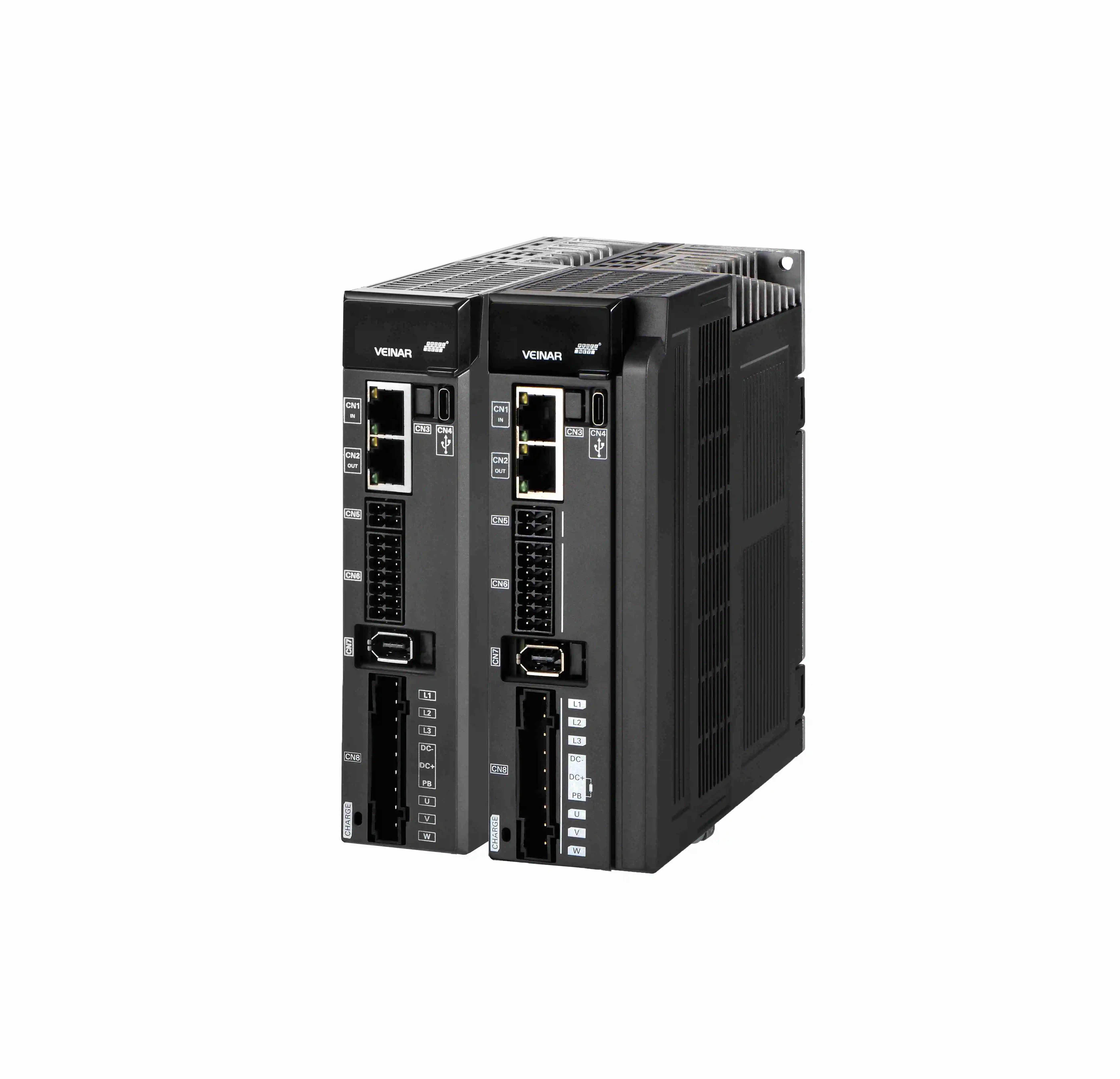
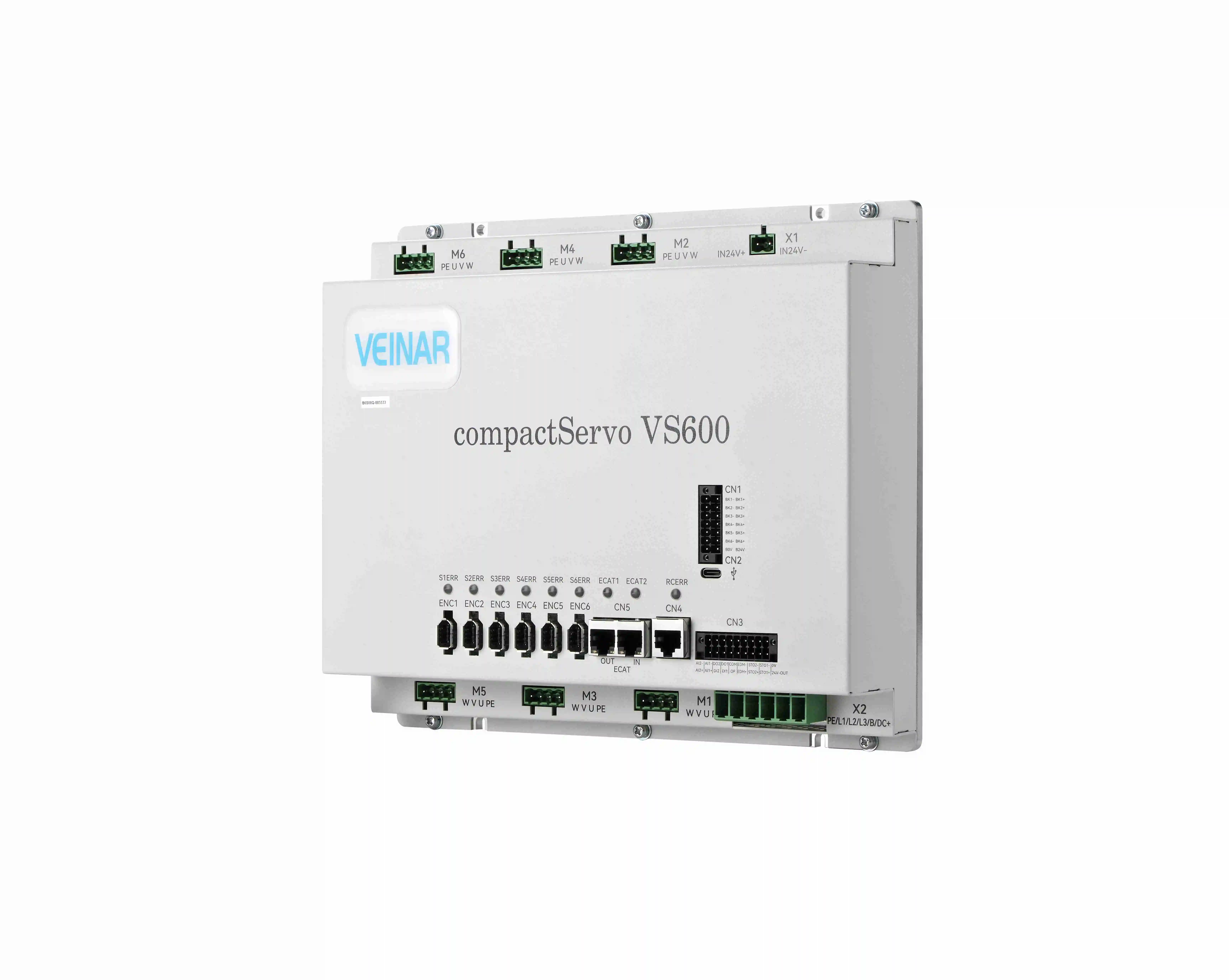
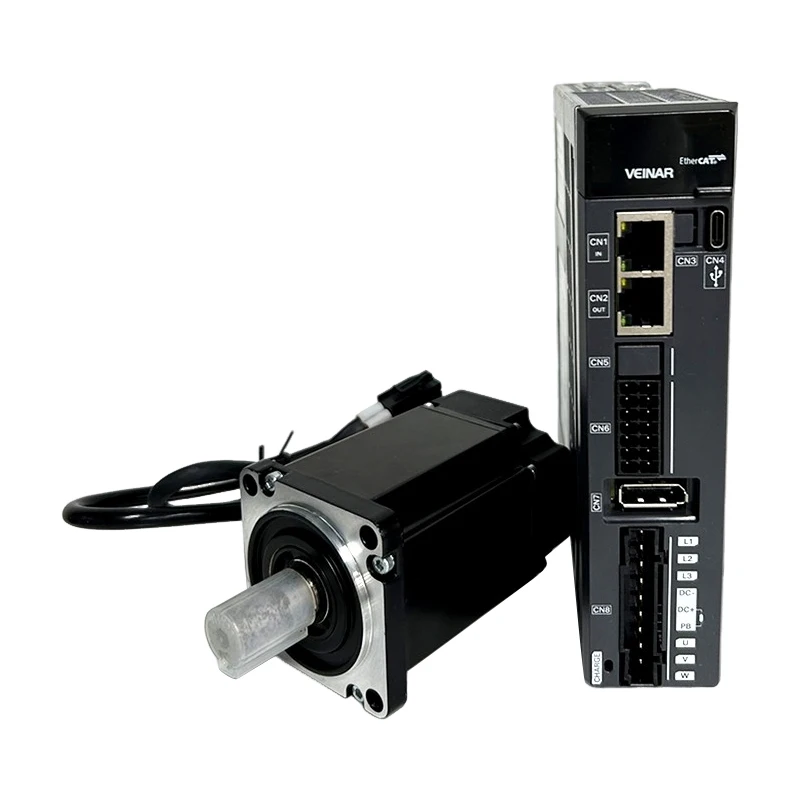
To address the industry’s pain points, the profinet servo has emerged as a game-changing solution. By combining PROFINET’s real-time communication capabilities with advanced motion control technology, it redefines tension control in high-speed packaging lines. This integration not only solves the limitations of traditional mechanical and analog systems but also enables intelligent management of the entire packaging process, perfectly meeting the efficiency, precision, and stability requirements of modern food packaging.
Core Features of PROFINET Servo Drives for Tension Control
Electronic Cam Technology: Eliminating Mechanical Wear and Tear
Working Principle of Electronic Cams
Unlike traditional mechanical cams that rely on physical contact and mechanical linkage, electronic cams in PROFINET servo drives use software algorithms to simulate cam motion. The drive stores pre-programmed cam profiles (e.g., film feeding, sealing, cutting sequences) and controls the servo motor to replicate the required motion with high precision. This software-based approach eliminates the need for physical cam components, avoiding mechanical wear, backlash, and accuracy drift over time.
Reducing Bag Length Error to ±0.5 mm
Mechanical cams are prone to wear after long-term operation, leading to inconsistent cam profiles and increased bag length errors—often exceeding ±2 mm in traditional lines. PROFINET servo drives’ electronic cams maintain consistent motion accuracy throughout their lifespan, as software profiles are not affected by friction or mechanical stress. By precisely synchronizing film feeding, sealing, and cutting actions, the drives reduce bag length errors to an impressive ±0.5 mm. This level of precision ensures that every package meets size standards, reducing reject rates and enhancing brand reputation.
Lower Maintenance and Longer Service Life
Mechanical cams require regular inspection, lubrication, and replacement to maintain accuracy—adding to maintenance costs and line downtime. Electronic cams in PROFINET servo drives have no moving parts, significantly reducing maintenance needs. Manufacturers can save on spare parts costs and minimize unplanned downtime, improving overall production continuity. For food packaging lines operating 24/7, this translates to substantial long-term savings and higher productivity.
IRT Ring Network: Enabling High-Speed 12-Axis Synchronization
Advantages of IRT (Isochronous Real-Time) Communication
PROFINET servo drives adopt an IRT ring network topology, which provides isochronous real-time communication with ultra-low latency. Unlike standard Ethernet, IRT ensures that data transmission between the drive, controller, and other axes occurs at fixed time intervals, eliminating jitter and ensuring consistent synchronization. This is critical for high-speed packaging lines, where multiple axes (e.g., film unwinding, feeding, sealing, cutting, conveying) must operate in perfect harmony.
12-Axis Synchronization Boosts Line Speed to 80 m/min
Traditional packaging lines often face synchronization bottlenecks when scaling up speed—mechanical linkages and slow communication protocols limit the number of synchronized axes and overall line speed. The PROFINET servo drive’s IRT ring network supports seamless synchronization of up to 12 axes, enabling each process (from film unwinding to final packaging) to keep pace with high-speed operation. With this precise coordination, line speeds can reach 80 m/min—nearly double the speed of traditional lines (typically 40–50 m/min). This increase in throughput directly addresses the high-volume production needs of food manufacturers.
Fault Tolerance Ensures Continuous Operation
The ring network topology also provides built-in redundancy. If a network link or node fails, the IRT protocol automatically switches to the redundant path, completing fault recovery in milliseconds. This fault tolerance ensures that the packaging line continues to operate without interruption, minimizing downtime and avoiding costly production losses. For food manufacturers handling perishable goods, this reliability is especially valuable, as production delays can lead to product spoilage.
Real-Time Tension Feedback: Minimizing Film Waste
<1 ms Response to Tension Fluctuations
Film tension is prone to fluctuations due to factors such as uneven film thickness, changes in roll diameter, or variations in line speed. PROFINET servo drives integrate high-precision tension sensors that continuously monitor film tension and send feedback to the drive controller. With a response time of less than 1 ms, the drive can instantly adjust the servo motor’s torque or speed to compensate for tension changes—preventing over-stretching or slackening of the film.
15% Reduction in Material Waste
Over-stretching of film not only affects package quality but also increases material consumption. Traditional control systems with slow response times (often 10–20 ms) cannot adjust quickly enough to tension fluctuations, leading to significant film waste—typically 8–10% of total film usage. By maintaining consistent tension through real-time feedback, PROFINET servo drives reduce film waste by 15%, translating to substantial cost savings for manufacturers. For example, a packaging line using 10 tons of film per month can save 1.5 tons of film annually, cutting material costs significantly.
Protecting Fragile Films
Many modern food packages use thin, fragile films (e.g., biodegradable films or barrier films) that are sensitive to tension changes. Excessive tension can tear these films, while insufficient tension causes misalignment. The PROFINET servo drive’s precise tension control protects fragile films, ensuring smooth processing and reducing the risk of line jams caused by film damage.
OPC UA Interface: Enabling Intelligent Remote Management
Seamless Integration with MES Systems
PROFINET servo drives are equipped with OPC UA (Open Platform Communications Unified Architecture) interfaces, a universal industrial communication protocol that enables seamless data exchange between the drive and Manufacturing Execution Systems (MES). This integration allows manufacturers to centralize control of multiple packaging lines, accessing real-time data such as line speed, tension values, bag length accuracy, and equipment status.
2.4.2 Remote Monitoring and Adjustment
With OPC UA, operators can monitor and adjust tension parameters remotely via MES systems, without needing to be on the production floor. For example, if tension fluctuations are detected in a specific line, technicians can adjust the drive’s settings from a central control room, minimizing downtime and improving operational efficiency. This remote management capability is particularly beneficial for large-scale food manufacturing facilities with multiple packaging lines spread across a large area.
2.4.3 Data-Driven Process Optimization
The OPC UA interface also enables the collection and analysis of historical tension and production data. Manufacturers can use this data to identify trends (e.g., frequent tension spikes during specific shifts) and optimize process parameters (e.g., adjusting cam profiles or tension thresholds). This data-driven approach helps continuously improve production efficiency, reduce waste, and enhance overall line performance.
Application Advantages in Food Packaging Lines
Enhancing Production Efficiency and Throughput
The combination of 12-axis IRT synchronization and 80 m/min line speed enables PROFINET servo drives to significantly boost production throughput. Food manufacturers can process more products per hour, meeting the high-demand requirements of retail and foodservice customers. Additionally, the reduction in downtime (due to fault tolerance and low maintenance) further improves overall equipment effectiveness (OEE), maximizing the return on investment (ROI) of the packaging line.
Reducing Operational Costs
PROFINET servo drives cut operational costs in multiple ways: 15% less film waste reduces material expenses; lower maintenance needs save on labor and spare parts costs; and higher energy efficiency (a built-in feature of modern PROFINET servos) reduces electricity consumption. For food manufacturers operating on tight profit margins, these cost savings can make a significant difference in overall profitability.
Ensuring Consistent Package Quality
Consistent package quality is critical for food safety and consumer trust. The PROFINET servo drive’s ±0.5 mm bag length accuracy, stable tension control, and elimination of mechanical drift ensure that every package meets the same high standards. This consistency reduces the risk of product recalls due to defective packaging and enhances brand loyalty among consumers.
Adapting to Flexible Production Needs
Food packaging requirements often change to accommodate new products, seasonal promotions, or regulatory updates. PROFINET servo drives offer high flexibility—operators can easily modify cam profiles, tension parameters, or line speeds via the MES system without reconfiguring mechanical components. This adaptability allows manufacturers to quickly switch between different package sizes, film types, or product lines, supporting agile production and reducing time-to-market for new products.
Conclusion
Summary of Core Advantages
The profinet servo drive has transformed tension control in high-speed food packaging lines by integrating electronic cam technology, IRT ring network synchronization, real-time tension feedback, and OPC UA intelligent management. Its key benefits—±0.5 mm bag length accuracy, 80 m/min line speed, 15% reduced film waste, remote monitoring capabilities, and low maintenance—directly address the critical needs of food manufacturers. By replacing outdated mechanical and analog systems, it achieves a perfect balance of efficiency, precision, stability, and flexibility.
Future Prospects in Packaging Automation
As the food packaging industry continues to evolve toward intelligence, sustainability, and high efficiency, PROFINET servo drives will play an increasingly important role. Future advancements may include integration with artificial intelligence (AI) for predictive tension control, enhanced connectivity with industrial Internet of Things (IIoT) platforms for end-to-end process visibility, and further optimization of energy efficiency to meet sustainability goals. For food manufacturers looking to stay competitive in a fast-paced market, investing in PROFINET servo drives is a strategic decision that delivers long-term value—improving productivity, reducing costs, and ensuring consistent product quality.

 EN
EN
 Hot News