Introduction
The Significance of SMT Placement Machines in Electronics Manufacturing
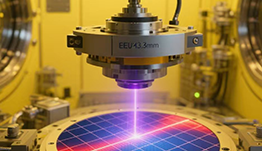
Surface Mount Technology (SMT) has become the backbone of modern electronics production, enabling the assembly of compact, high-performance devices ranging from smartphones to industrial controllers. SMT placement machines are the core equipment in this process, responsible for accurately placing tiny electronic components onto printed circuit boards (PCBs). As consumer electronics and 3C products (computers, communications, consumer electronics) trend toward miniaturization, high integration, and shorter production cycles, the demand for faster mounting speeds and higher precision in SMT placement machines has become increasingly stringent. Traditional drive systems often struggle to balance speed and accuracy, creating bottlenecks in high-volume, high-precision production lines.
Integration of Customer-Provided Abstract
In SMT equipment, PROFINET servo drives elevate placement efficiency. A 17-bit absolute encoder paired with micro-step control achieves 3μm positioning accuracy, suitable for 01005 chip mounting. A 500μs communication cycle enables 4-head synchronous operation, reaching speeds of 40,000 placements/hour. Optimized telegram transmission reduces communication load by 30%, preventing signal congestion in multi-machine setups. With PROFIenergy functionality, standby power consumption drops by 40%, significantly lowering energy usage in electronics manufacturing and meeting high-speed precision demands of the 3C industry.
The Game-Changing Role of High-Precision PROFINET Servo Drives
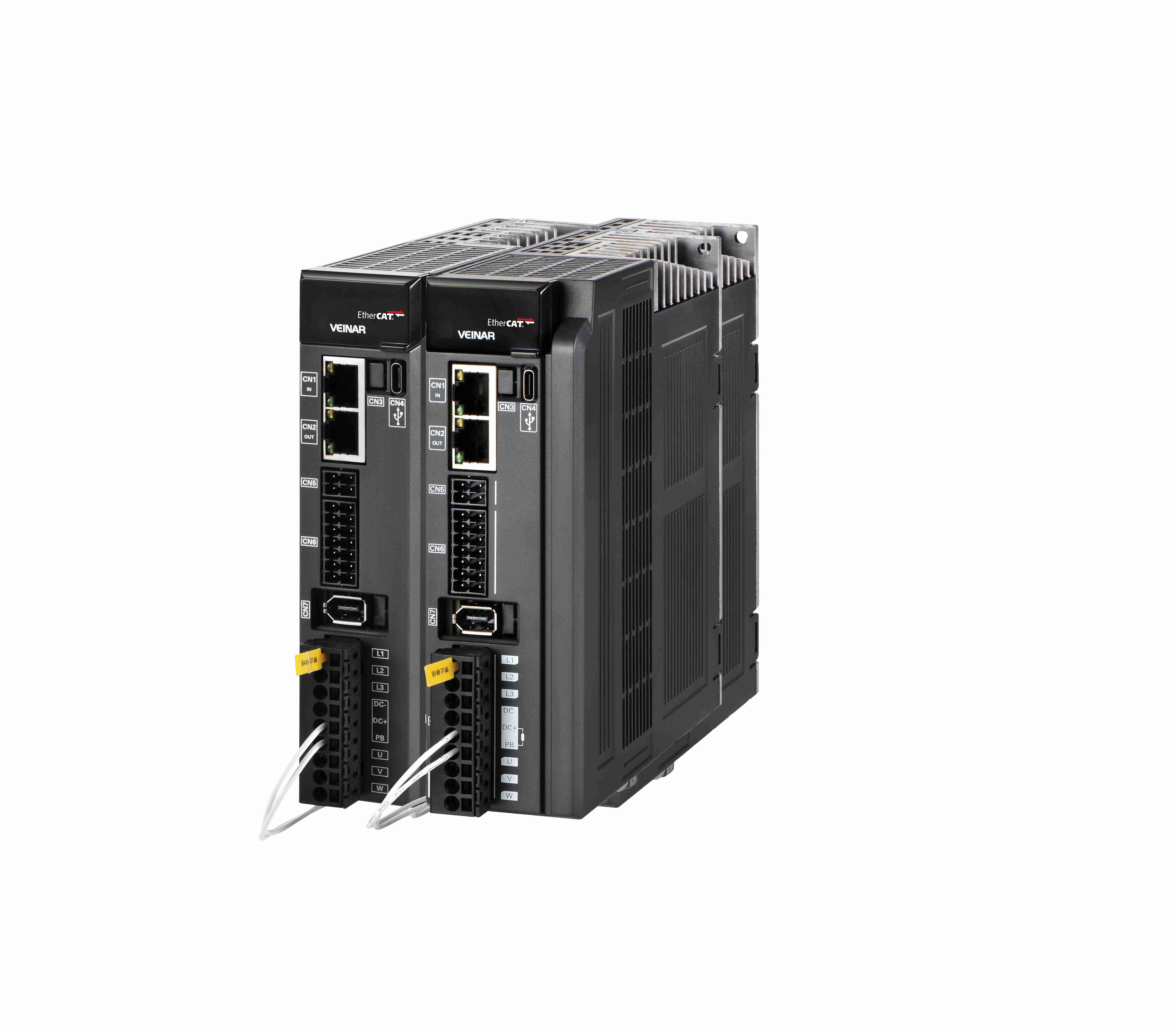
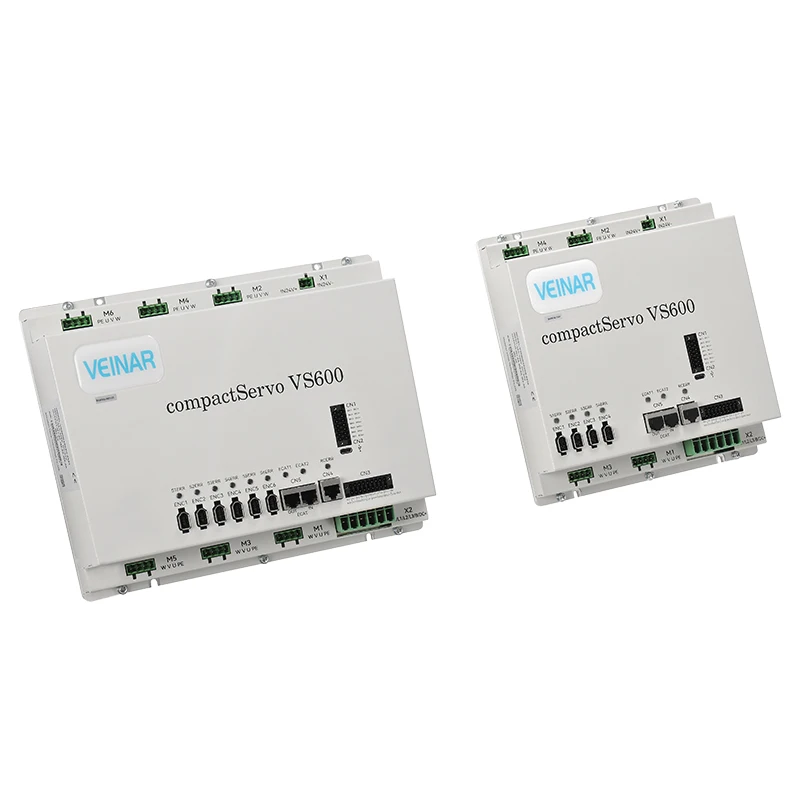
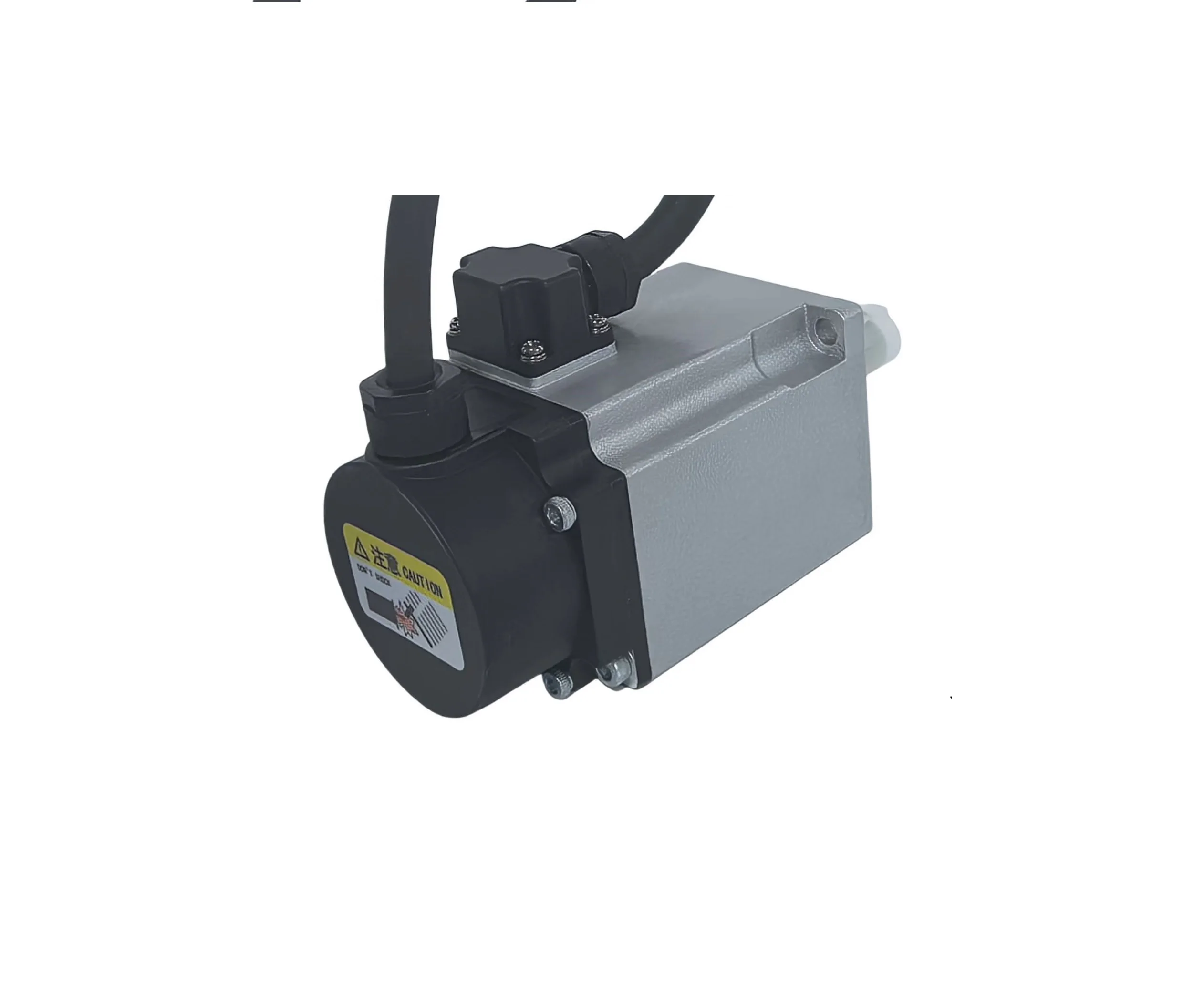
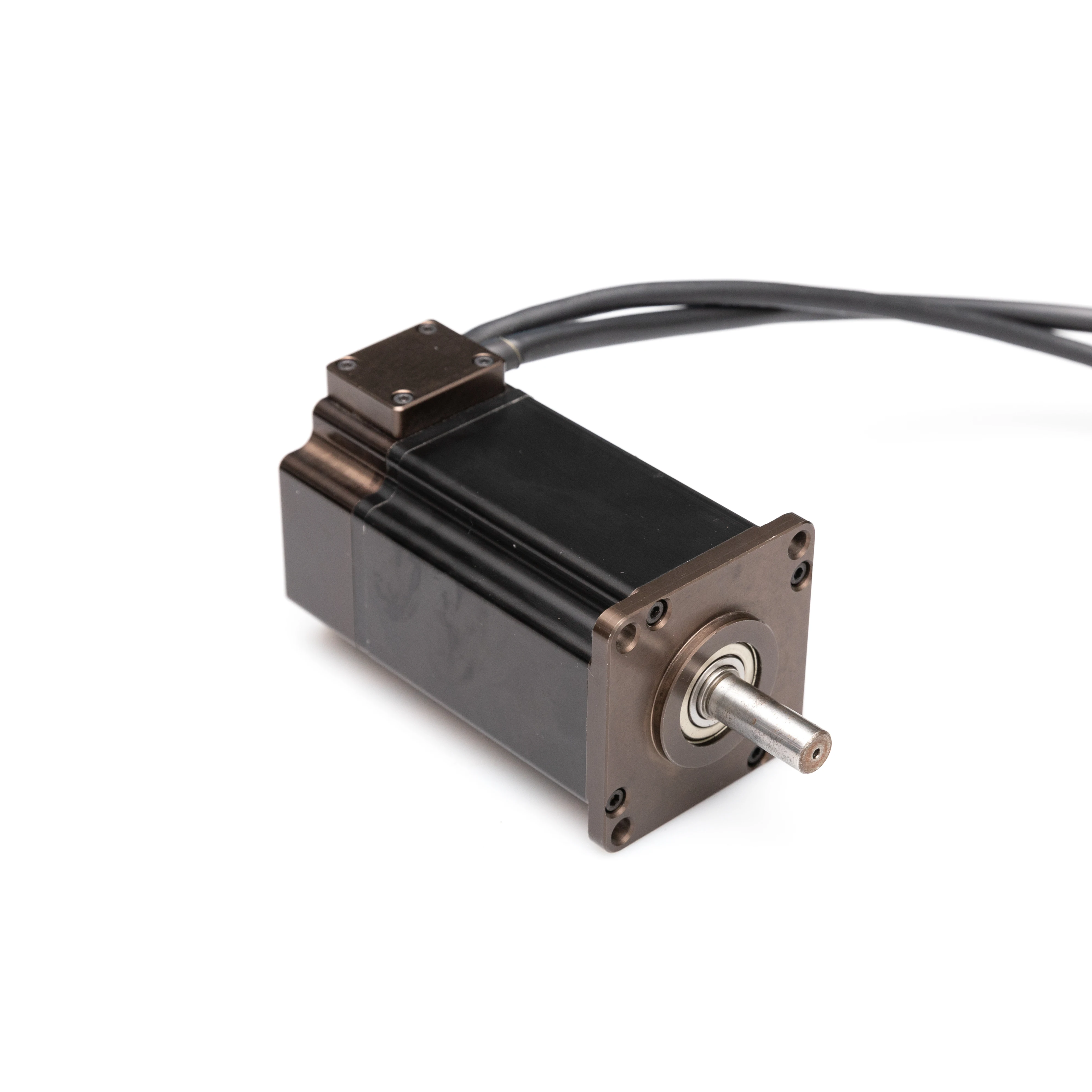
To address the industry’s pain points, the highprecision profinet servo drive has emerged as a critical innovation. By combining PROFINET’s real-time communication capabilities with high-precision motion control technology, it breaks through the traditional limits of SMT mounting speed and accuracy. This integration not only meets the strict requirements of 3C product manufacturing but also optimizes energy efficiency and system reliability, becoming a key driver of productivity in electronics assembly lines.
Core Features of PROFINET Drives for SMT Placement Machines
High-Precision Positioning: Enabling Micro-Component Mounting
Working Principle of the 17-Bit Absolute Encoder
The 17-bit absolute encoder is a core component that guarantees positioning accuracy. Unlike incremental encoders that require reference point calibration, absolute encoders directly output the exact mechanical position of the servo motor shaft in real time. With 17 bits of resolution, it can distinguish 131,072 discrete positions per full rotation, providing precise position feedback to the drive system. This eliminates cumulative errors caused by power outages or system restarts, ensuring consistent accuracy throughout long production runs.
Synergy of Micro-Step Control and Encoder Feedback
Micro-step control works in tandem with the 17-bit absolute encoder to refine motion precision. Traditional full-step or half-step motor control can cause jerky movements, while micro-stepping divides each motor step into smaller, smoother increments (often 1/16, 1/32, or 1/64 of a full step). The PROFINET drive uses the encoder’s real-time feedback to adjust micro-step increments dynamically, minimizing positioning deviations. Together, these two technologies achieve an astonishing 3μm positioning accuracy—equivalent to the thickness of three human hairs—setting a new standard for precision in SMT assembly.
Application in 01005 Chip Mounting
The 01005 chip (0.4mm × 0.2mm) is one of the smallest surface-mount components used in electronics today. Mounting such tiny chips requires extreme precision; even a 1μm deviation can lead to poor solder joints or electrical failure. The highprecision profinet servo drive’s 3μm positioning accuracy makes it ideal for 01005 chip assembly. It ensures that each chip is placed exactly at the target position on the PCB, reducing defect rates and improving product yield—critical for high-value electronics like smartphones and wearables.
High-Speed Operation: Boosting Mounting Efficiency
Significance of the 500μs Communication Cycle
Communication latency is a key limiting factor for SMT mounting speed. PROFINET drives adopt a 500μs (microsecond) real-time communication cycle, which is significantly faster than traditional industrial communication protocols (e.g., Modbus or Ethernet/IP). This ultra-short cycle means the drive can receive position commands, process feedback, and adjust motor motion in just 0.5 milliseconds. For SMT placement machines, this translates to faster component pickup, movement, and placement, directly increasing overall line speed.
4-Head Synchronous Operation and 40,000 Placements/Hour
The 500μs communication cycle enables seamless synchronization of multiple mounting heads. Most high-speed SMT machines are equipped with 4–8 independent mounting heads, and the PROFINET drive ensures that all heads operate in perfect harmony—no lag, no interference. Each head can pick up components from the feeder and place them on the PCB simultaneously, maximizing throughput. With this synchronous control, the machine achieves a mounting speed of 40,000 placements per hour, a 30–40% increase compared to traditional drive systems. This speed is crucial for meeting the high-volume production demands of the 3C industry, where millions of units are manufactured annually.
Optimized Telegram Transmission: Ensuring System Stability
Reducing Communication Load by 30%
In large-scale electronics factories, multiple SMT placement machines, feeders, and quality inspection equipment are often connected to a single industrial network. Traditional communication protocols transmit large amounts of redundant data, leading to network congestion and delayed responses. PROFINET drives optimize telegram (data packet) structure by only transmitting essential information (e.g., target position, actual position, torque status) and compressing data where possible. This optimization reduces the overall communication load by 30%, freeing up network bandwidth and ensuring smooth data transmission.
Preventing Signal Congestion in Multi-Machine Setups
Multi-machine setups are common in high-volume production lines, where 5–10 SMT machines may operate in sequence. Without optimized communication, signal congestion can cause machine downtime, reduced throughput, or positioning errors. The PROFINET drive’s low-latency, low-load transmission ensures that each machine receives commands and sends feedback without delay, even in complex network environments. This stability minimizes unplanned downtime and maintains consistent production efficiency, a critical advantage for manufacturers aiming to meet tight delivery deadlines.
PROFIenergy Functionality: Achieving Energy Efficiency
Principle of PROFIenergy for Servo Drives
PROFIenergy is an extension of the PROFINET protocol designed for energy management in industrial equipment. When the SMT placement machine is in standby (e.g., during component feeder replacement, PCB changeover, or scheduled breaks), the PROFINET drive automatically activates PROFIenergy mode. In this mode, the drive reduces the servo motor’s idle current, lowers the internal cooling fan speed, and disables non-essential functions—all while maintaining readiness for immediate operation.
40% Reduction in Standby Power Consumption
Energy costs are a significant expense for electronics manufacturers, especially those with 24/7 production lines. The PROFINET drive’s PROFIenergy functionality cuts standby power consumption by 40% compared to conventional servo drives. For a typical SMT line with 8 machines, this translates to thousands of kilowatt-hours in annual energy savings. Beyond cost reduction, this also aligns with global sustainability trends, helping manufacturers reduce their carbon footprint and meet environmental regulations.
Application Advantages in the 3C Industry
Meeting High-Speed and High-Precision Demands
The 3C industry is characterized by rapid product 迭代 (iteration) and strict quality requirements. Smartphones, tablets, and wearable devices require hundreds of tiny components to be mounted with micron-level precision, while production lines must operate at high speeds to keep up with market demand. The highprecision profinet servo drive’s 3μm accuracy and 40,000 placements/hour speed directly address these needs. It enables manufacturers to produce smaller, more powerful devices with fewer defects, enhancing their competitive edge in the global market.
Enhancing Production Cost-Efficiency
Cost efficiency is a top priority for electronics manufacturers. The PROFINET drive delivers value in multiple ways: higher throughput reduces per-unit production time, lower defect rates minimize rework and material waste, and 40% lower standby power cuts energy costs. Additionally, the drive’s compatibility with existing PROFINET networks eliminates the need for expensive infrastructure upgrades, reducing initial investment. Over the long term, these benefits result in significant cost savings, helping manufacturers improve profit margins while maintaining high product quality.
Improving System Flexibility and Scalability
3C product designs change frequently, requiring production lines to adapt quickly. PROFINET drives support flexible network topologies (star, ring, linear) and seamless integration with other PROFINET-compliant equipment (e.g., PLCs, HMIs, quality inspection systems). This flexibility allows manufacturers to reconfigure production lines easily for new product models without major hardware or software modifications. The drive’s scalability also means it can be used in both small-scale workshops and large-scale factories, making it a versatile solution for businesses of all sizes.
Conclusion
Summary of Key Advantages
The highprecision profinet servo drive has revolutionized SMT placement machine performance by breaking through the traditional trade-off between speed and accuracy. Its core advantages—3μm positioning accuracy via 17-bit absolute encoder and micro-step control, 40,000 placements/hour speed through 500μs synchronous communication, 30% reduced communication load, and 40% lower standby power—address the critical needs of modern electronics manufacturing. By integrating these features, it not only boosts productivity and product quality but also optimizes energy efficiency and system reliability.
Future Prospects in Electronics Manufacturing
As electronics continue to miniaturize and integrate more functions (e.g., 5G, AI, IoT), the demand for higher precision and faster speed in SMT assembly will only grow. PROFINET drives are well-positioned to meet these future requirements through ongoing technological advancements—such as higher-resolution encoders, shorter communication cycles, and smarter energy management. Additionally, as industrial IoT (IIoT) adoption expands, PROFINET drives will play a key role in connected production lines, enabling real-time data analytics, predictive maintenance, and remote monitoring. For manufacturers looking to stay ahead in the competitive electronics industry, investing in highprecision profinet servo drives is not just a choice but a strategic necessity.

 EN
EN
 Hot News