
 EN
EN
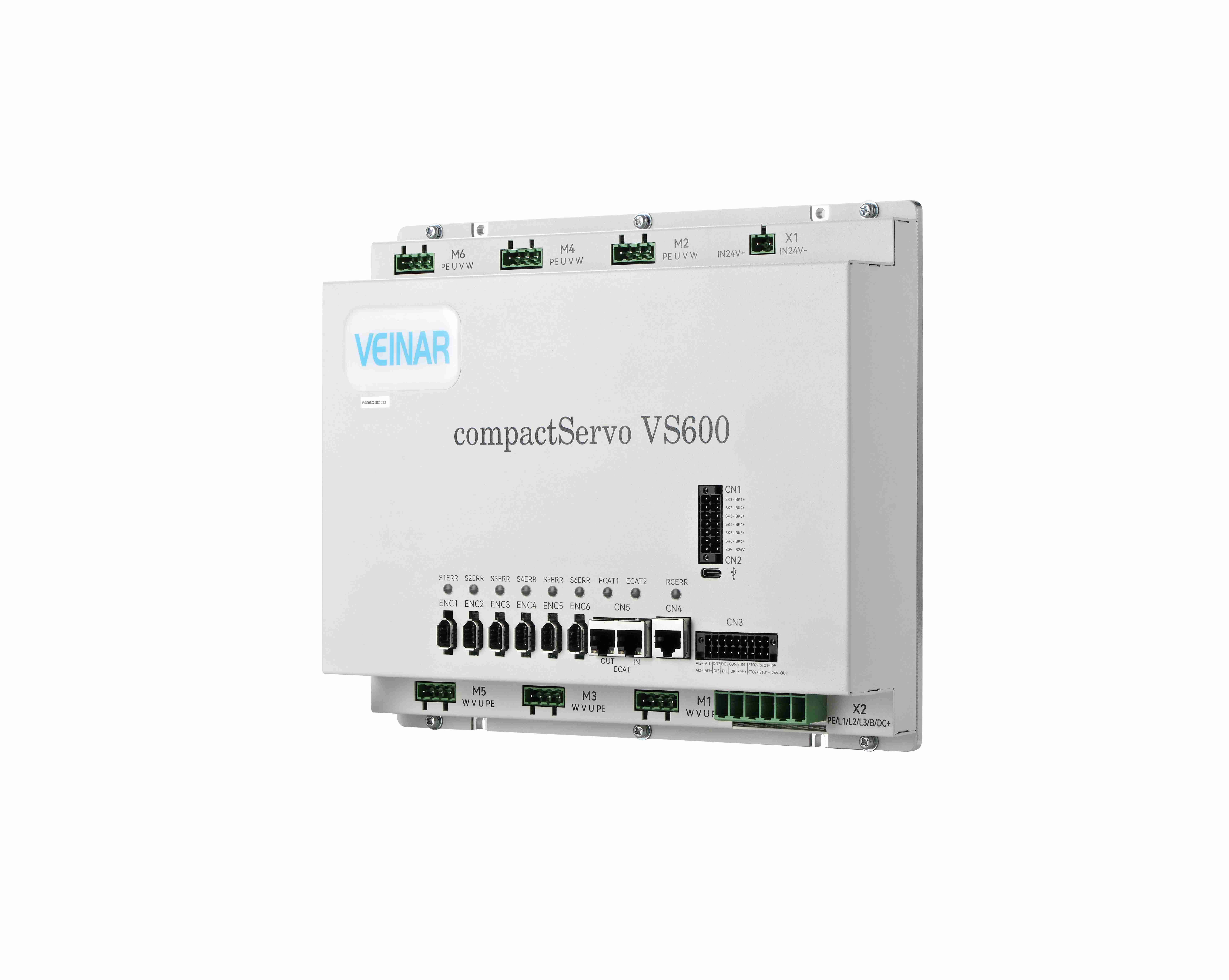
Architectural Simplicity: How Multi-axis Servo Controllers Reduce System Complexity
Modular Expansion Without Control Silos
Multi axis servo controllers bring all the control logic together in one place instead of having separate controllers for each axis. This replaces those old single axis systems that worked on their own little islands. When different parts of a machine work independently like that, it creates problems in complex setups. With these controllers, everything shares the same timing signals and movement plans across all axes. The result? A system that can grow easily without getting too complicated. Want to add another axis? Just connect the motor, no need for extra controllers. Some big names in automation have seen their customers reconfigure machines 70 percent faster when switching production lines. Makes sense really, since everything works together rather than fighting against itself.
Fewer Devices, Fewer Points of Failure, Faster Machine Variant Deployment
When we integrate axes together, it cuts down on physical parts by around 40% when compared to separate single axis setups. This naturally means there's less chance something will go wrong. We see about 60 percent fewer cables and connectors that might get damaged from vibrations or corrode over time. The middle points where signals used to drop out completely disappear. Plus, having everything connected through one power system helps avoid mistakes in wiring that happen all too often. With shared DC bus architecture, energy generated when axes slow down can actually be reused to run nearby motors, which helps reduce the highest power needs at any given moment. These kinds of simplified designs make getting new machines up and running much faster. Engineering departments can take working multi-axis setups they've already tested and apply them to brand new products within just a few weeks instead of waiting months for everything to come together.
EtherCAT Performance Advantages in Multi-axis Servo Controller Architectures
Sub-100 µs Determinism Across 32+ Axes via Shared Bus Topology
The shared bus design of EtherCAT provides response times under 100 microseconds for systems controlling 32 or more axes in multi-axis servo controllers. What makes EtherCAT different from traditional network setups is how it handles data packets while they're actually moving through the system instead of pausing at every single node along the way. With distributed clocks keeping everything synchronized, the system maintains jitter levels below just one microsecond. This kind of timing accuracy translates into measurements down to the nanometer level for those fast moving robotic arms and CNC machines we see in modern manufacturing facilities. Factories running production lines that crank out over a thousand items per minute absolutely depend on this level of precision. Plus, the way EtherCAT structures its communications path basically gets rid of those pesky signal collisions that plague star topology networks. As a result, cycle times drop by around three quarters when compared to older CAN-based systems, making operations much faster overall.
Eliminating Master-Slave Latency for True Synchronized Motion
When it comes to multi-axis servo controllers, EtherCAT technology makes those pesky master-slave communication delays disappear completely. The system uses distributed clocking to keep everything synced up at the nanosecond level instead of waiting around for milliseconds. This means motion commands get executed at the same time across all drives without needing that back-and-forth handshake process between components. Take something complicated like circular interpolation for instance these systems can handle it with pinpoint accuracy even when moving faster than 300 meters per minute. In packaging lines where products need to line up perfectly, this kind of tight coordination eliminates those tiny timing differences that eventually add up to major positioning problems over time. For engineers looking to set things up right from day one, getting true synchronous motion isn't just possible it's standard practice now. And what does this mean practically? Less wear on machinery parts and production throughput jumping by roughly 25% in most cases according to field tests.
Space, Power, and Cost Efficiency Enabled by Integrated Multi-axis Servo Controllers
60% Smaller Cabinet Volume and 40% Fewer Connectors vs. Discrete Single-axis Stacks
Multi axis servo controllers integrated into one system can really shrink down the space needed for machines since all those control components get packed together instead of spread out. When looking at traditional setups with single axis systems, we see lots of extra parts like redundant housing units, terminal blocks, and individual power supplies taking up valuable cabinet space. Getting rid of these elements cuts down on cabinet size by around two thirds according to field tests. The wiring becomes much simpler too with fewer connections required, which means technicians spend roughly forty percent less time installing everything compared to older methods. Heat management gets better as well because smaller enclosures don't need as much cooling power and tend to distribute warmth more evenly across the equipment. Many manufacturing plants have reported noticeable improvements in both efficiency and reliability after making this switch.
DC Bus Sharing and Regenerative Energy Redistribution Lowers Peak Demand by up to 28%
The shared DC bus setup allows for smarter power management in industrial applications. When motors slow down, they actually create energy that gets lost as heat in most single axis systems. But with multi axis controllers, this recovered power gets sent right back to other parts of the system that need acceleration at the moment. The result? Energy savings can cut peak electricity usage around 28 percent according to field tests, which means companies don't need such big power supplies and save money on running costs. Some systems use prediction software to balance workloads between different axes too, making things run better while still keeping up with fast changing demands.
Accelerated Lifecycle Management with Smart Multi-axis Servo Controller Software
Modern multi-axis servo controllers revolutionize equipment lifecycle management through integrated software intelligence. By consolidating configuration, monitoring, and maintenance functions, these systems eliminate fragmented workflows while enhancing operational resilience.
Auto-parameterization and Unified Commissioning Cut Setup Time by 70%
The auto-parameterization feature in modern systems works by detecting motor specs and load conditions on its own, then setting up just the right PID values and torque limits without manual input. When paired with those new unified commissioning tools, engineers can now sync multiple axes from one central control panel rather than dealing with each device separately. Real world tests show machines get set up around 70 percent faster than old school methods according to recent industrial automation research from last year. Fewer steps during commissioning means factories can start producing new product lines much quicker after equipment changes. Some plants report getting their production lines running within days instead of weeks when switching between different machine configurations.
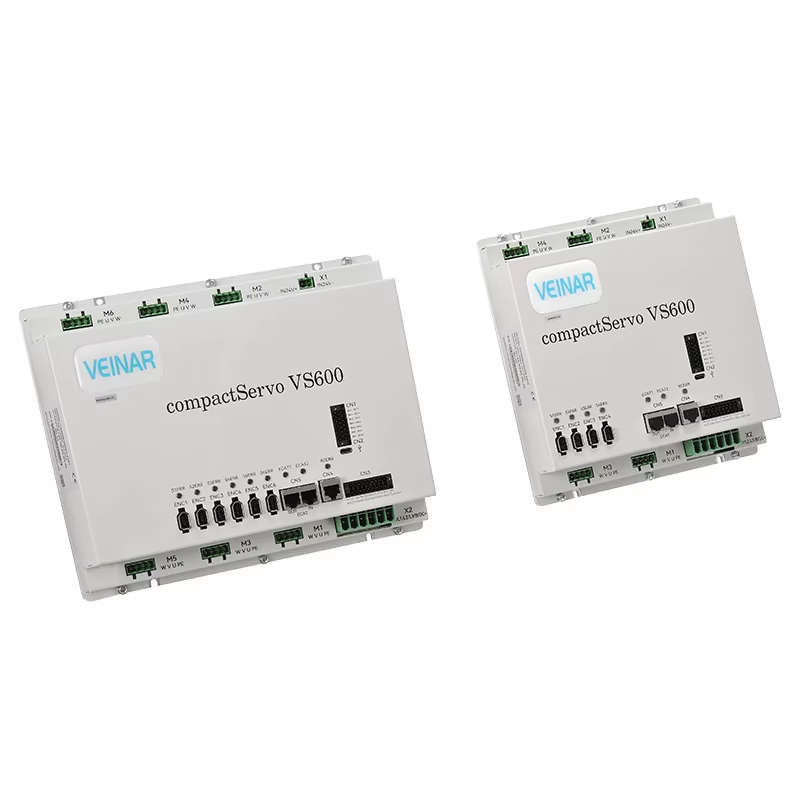
Embedded Analytics and Predictive Tuning for Proactive Maintenance
Keeping track of vibrations, temperatures, and electrical currents helps spot mechanical problems or misalignment long before they become serious issues. Smart systems can tweak settings ahead of time, like adjusting for worn bearings before they fail completely, and these predictive models get pretty good at guessing when something might go wrong around 92% of the time. Factory staff get warning signals ranked by importance so they can fix things before production stops cold. Manufacturing data from last year shows this approach cuts unexpected shutdowns by about 40%. Instead of waiting for breakdowns to happen, plants now plan maintenance based on actual equipment conditions rather than just following a calendar schedule.
Future-Ready Performance: SiC Technology and Advanced Motion Capabilities in Multi-axis Servo Controllers
The latest multi-axis servo controllers are now using Silicon Carbide (SiC) semiconductors which brings about major improvements in efficiency. These systems can switch at frequencies around 10 times what we see in older silicon based controllers, all while cutting down on energy waste somewhere between 40 to 60 percent. What makes SiC really stand out is how well it conducts heat. Because of this property, manufacturers can actually make their heat sinks smaller by about 30% without any drop in performance or reliability, even when running non stop in tough industrial settings. At the same time, these controllers come packed with sophisticated motion algorithms that do away with the need for separate motion control hardware. The complex functions are built right into the system itself, making everything much simpler to manage and integrate into existing setups.
- Real-time interpolation across 32+ axes for synchronized helical and circular paths
- Intelligent cam profiling with adaptive S-curve acceleration
- Sub-100 µs position control accuracy for high-speed robotics
- Predictive oscillation damping that preempts mechanical resonance
By consolidating these technologies into a unified architecture, next-generation controllers reduce component count while delivering unprecedented motion fidelity—future-proofing industrial systems for faster cycle times, nanometer-scale precision, and energy-efficient operations—all within compact footprints ideal for scalable automation.
Table of Contents
- Architectural Simplicity: How Multi-axis Servo Controllers Reduce System Complexity
- EtherCAT Performance Advantages in Multi-axis Servo Controller Architectures
- Space, Power, and Cost Efficiency Enabled by Integrated Multi-axis Servo Controllers
- Accelerated Lifecycle Management with Smart Multi-axis Servo Controller Software
- Future-Ready Performance: SiC Technology and Advanced Motion Capabilities in Multi-axis Servo Controllers