
 EN
EN
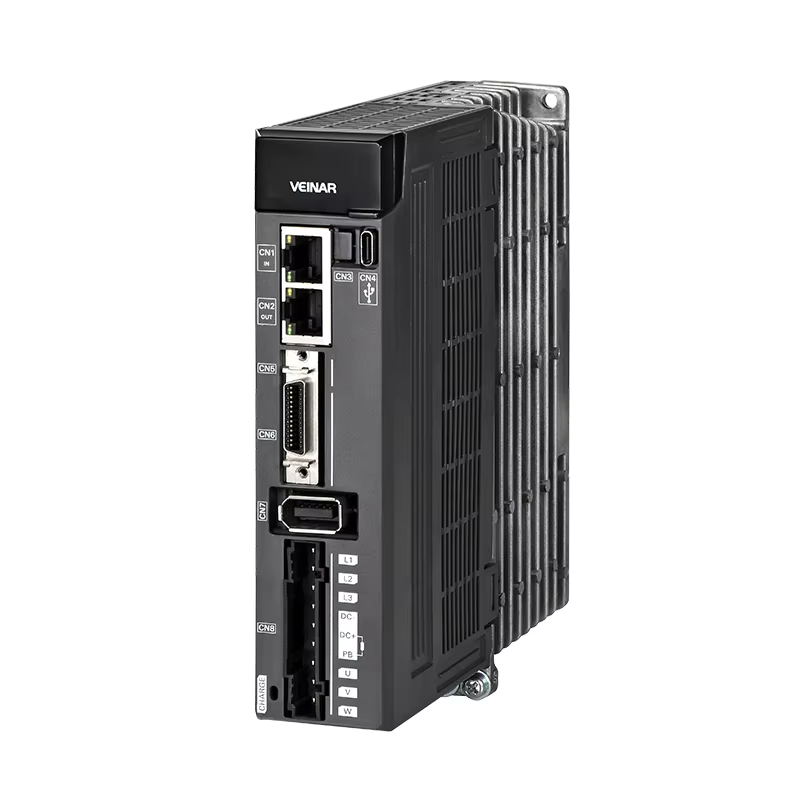
Ultra-Precise Synchronization for 4-Axis CNC Lathe Motion Control
Sub-microsecond jitter and distributed clock alignment in multi-axis EtherCAT systems
EtherCAT servo drives for multiple axes synchronize at remarkable levels thanks to distributed clock tech that aligns everything to one master clock with really tiny jitter below a microsecond. This setup stops those annoying timing errors from building up between different axes, something that becomes super important when working on complicated shapes. Just 5 microseconds off track can mess up the surface quality of parts. Traditional systems based on pulses simply can't match what EtherCAT does with its hardware timestamps. These deliver around plus or minus 50 nanoseconds sync no matter how many axes are involved, making sure tools stay perfectly aligned while doing fast spinning cuts. The whole system works differently too - it handles position commands all at once instead of waiting for each one after another. This means machines can switch between cutting paths with incredible precision down to the nanometer level. Real world results back this up as well. Shops using these systems see about 37 percent drop in rejected parts caused by vibrations during high speed threading according to the Machining Dynamics Report last year.
Real-time interpolation across all axes: Enabling smooth, high-fidelity contouring on 4-axis CNC lathes
When it comes to 4-axis CNC lathes, coordinated axis interpolation really makes a difference because it calculates tool paths across all motor axes at once. The old way of doing things with segmented interpolation leaves tiny pauses between each segment, which shows up as those annoying witness marks on curved parts. That's why EtherCAT systems are game changers they have cycle times under 5 microseconds that keep recalculating position, velocity and acceleration constantly. This lets the machine do what we call true spline interpolation, where all the axes move together smoothly without any jumps. At feed rates over 20 meters per minute, these machines maintain directional consistency down to 0.02 micrometers. And there's another bonus too computational power means the system can compensate for both thermal expansion and mechanical play while cutting contours. This results in profile accuracy improvements around 80% better than what traditional pulse drive systems can achieve.
When tighter sync isn't enough: Why camshaft machining quality depends on coordinated torque feedforward—not just timing
Getting perfect timing isn't enough to stop lobe distortion when machining camshafts because those uneven cutting forces create torque based deflections. That's where multi axis servo drives come in handy. They use something called coordinated torque feedforward. Basically, these drive controllers look ahead at how much load will change and tweak the current output before any position problems happen. The system looks at things like how the cutter engages with the material and how fast material gets removed from different angles. Then it sends out corrective torque signals just about 100 microseconds after detecting forces. This keeps everything positioned correctly even when loads keep changing around. Tests show this cuts down on profile deviations by almost half in hardened steel crankshaft journals according to Journal of Advanced Manufacturing from last year. If manufacturers skip this kind of dynamic compensation, all their fancy nanosecond accurate syncing won't matter much anyway since surface issues from chatter still pop up.
Higher Power Density and Dynamic Response in Multi-axis Drive Architectures
2.3× greater output per unit volume vs. discrete single-axis drives (IEC 61800-3 benchmarked)
When we look at multi axis systems, they bring together power electronics and cooling into one compact module instead of having all those extra parts that come with separate single axis setups. According to testing standards like IEC 61800-3, these integrated systems can boost power density by about two and a half times within the same volume. Retrofitting four axis CNC lathes benefits greatly from this approach too. The cabinets needed become roughly 60 percent smaller without sacrificing any torque performance, which matters a lot when factory floor space is limited. Another advantage comes from shared DC bus designs that cut down on energy waste by around 18% over traditional setups with individual drives. We've seen this work well during extended machining operations where efficiency really counts.
40% faster settling time in coordinated 4-axis contouring—enabled by shared current-loop optimization
When current loops are synchronized across all axes, it gets rid of those pesky communication delays that plague traditional discrete systems. For complicated contours like hyperbolic tool paths, this setup allows machines to settle 40 percent quicker while maintaining a precision threshold of just 0.01 mm. The system works by optimizing real time torque coupling between different axes. Basically, when one motor generates excess energy during operation, that power immediately goes to support nearby motors needing extra acceleration. What does this mean for actual machining? Well, these dynamic energy transfers shorten oscillation periods by about 22 milliseconds during finishing work, which makes a noticeable difference in how smooth surfaces turn out after cutting.
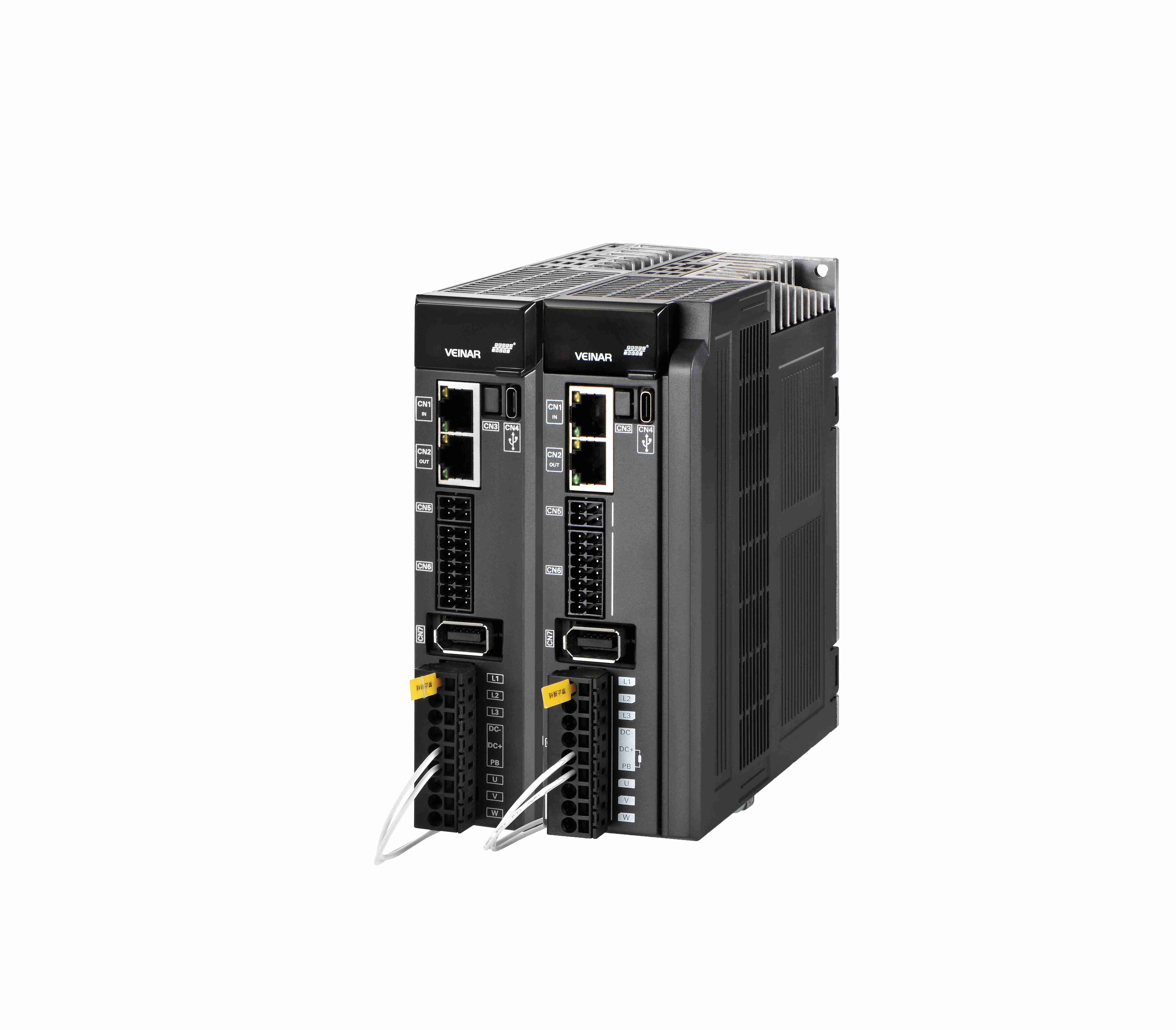
Simplified Integration and Productivity Gains with One-Cable Technology
Eliminating stop-and-go cycles: Continuous motion control via synchronized torque/position feedforward
One cable tech, or OCT for short, makes things much simpler by putting both power and data into just one cable instead of multiple ones. This cuts down on all that complicated wiring mess by around 60% according to tests. What really matters though is how it works during actual operations. The system can keep torque and position info flowing together across every axis, so there are no annoying stops and starts when moving between different parts of the toolpath. Machines stay in constant motion which means better contact with the workpiece and more consistent cutting pressure throughout. A manufacturer actually saw their setup time drop by nearly half when they switched to OCT in tight spaces where traditional installations would take forever.
18% cycle time reduction in high-precision turning—verified on production 4-axis CNC lathes
Tests on production lines indicate that when OCT technology gets integrated into multi-axis systems, cycle times for precision turning operations speed up around 18%. The reason? Centralized synchronization cuts down on signal lag between different drives, which means components work together much better when handling those complicated contours. One major manufacturer saw something pretty impressive too. After making the switch to EtherCAT's single cable setup, they reported about 30% fewer problems with cables failing. Makes sense really because fewer connection points just naturally lead to more reliable performance, especially important in environments where machines are constantly vibrating at high levels.
Table of Contents
-
Ultra-Precise Synchronization for 4-Axis CNC Lathe Motion Control
- Sub-microsecond jitter and distributed clock alignment in multi-axis EtherCAT systems
- Real-time interpolation across all axes: Enabling smooth, high-fidelity contouring on 4-axis CNC lathes
- When tighter sync isn't enough: Why camshaft machining quality depends on coordinated torque feedforward—not just timing
- Higher Power Density and Dynamic Response in Multi-axis Drive Architectures
- Simplified Integration and Productivity Gains with One-Cable Technology